Insurance Insights & Guidance
Covered with Confidence
Building policyholder confidence through transparent insurance education and expert analysis.

A simple spreadsheet that lines up coverage elements side by side transforms confusing quotes into clear comparisons. Setting up this tool correctly makes your decision data-driven rather than gut-driven.

More Stories
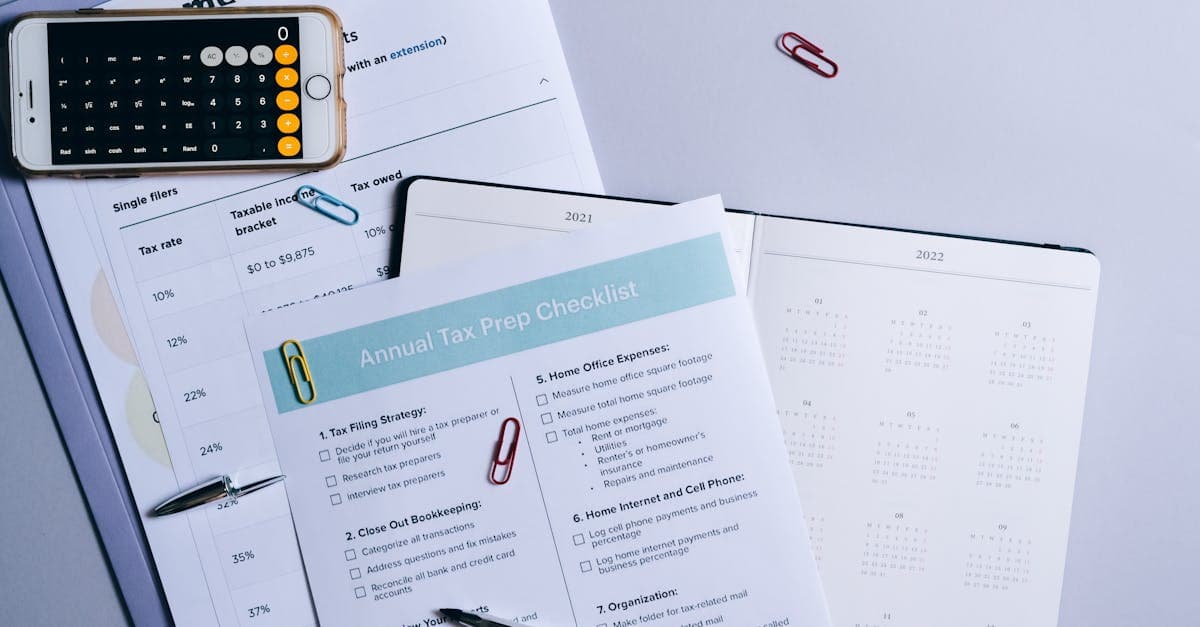
Policy Checkup for Auto Insurance: Are You Still Getting the Best Deal?
Auto insurance checkups should review liability limits, collision and comprehensive deductibles, uninsured motorist coverage, and available discounts. Driving changes and vehicle changes affect your needs.

When Assignment of Benefits Hurts Policyholders: Warning Signs
AOB can go wrong when contractors inflate bills, file lawsuits without your knowledge, or perform shoddy work you cannot control. Recognizing warning signs protects you from AOB abuse.

From Claim Filing to First Payment: A Realistic Timeline
The gap between filing your claim and receiving your first payment varies from days to months. Understanding what fills that gap helps you manage finances during the waiting period.

The Home Inventory You Need Before Any Insurance Claim
A detailed home inventory with photos, descriptions, and values for your belongings is the most powerful tool in any property claim. Creating and maintaining this inventory before a loss makes claims dramatically easier.

Overestimating What Employer Life Insurance Actually Provides
Employer life insurance is a valuable benefit but rarely provides enough coverage. Understanding its limitations including portability, coverage amount, and conversion options reveals why supplemental coverage is essential.
Life Insurance Illustration Regulations: How States Protect Consumers
State regulations and NAIC model standards govern how life insurance illustrations are prepared and presented. These rules require certain disclosures and limit misleading projection practices.

Life Insurance Medical Exam for Smokers and Tobacco Users
Nicotine testing during the medical exam determines your tobacco classification. Smokers pay significantly higher premiums. Most insurers require 12 months tobacco-free to qualify for non-smoker rates.

Life Insurance and Obesity: How BMI Affects Your Application
Body mass index is a key underwriting factor for life insurance. Applicants with elevated BMI may face higher premiums or denial, but many carriers have specific programs for applicants who are otherwise healthy.

Borrowing From Universal Life Insurance: What You Need to Know
Universal life insurance policy loans work differently from whole life loans in several important ways. Understanding these differences helps universal life policyholders borrow more effectively.

Variable Life Insurance Cash Value: Market-Linked Growth and Risk
Variable life insurance invests cash value in subaccounts similar to mutual funds. This creates potential for higher returns but also exposes cash value to market losses that can reduce your policy's value.

How Accidental Death Riders Increase Your Death Benefit
An accidental death rider — sometimes called double indemnity — pays an additional death benefit if you die from an accident. This can double your standard death benefit for qualifying deaths.

Life Insurance Beneficiary Mistakes That Send Proceeds to the Wrong People
Common beneficiary mistakes include naming no one, failing to update after divorce, listing a deceased person, and not naming contingent beneficiaries. Each mistake can redirect your death benefit.

Naming Minor Children as Life Insurance Beneficiaries: What to Know
Life insurance companies cannot pay death benefits directly to minor children. If you name minors as beneficiaries without proper arrangements, a court may appoint a guardian to manage the funds until each child reaches adulthood.

How Often Should You Review Your Life Insurance Beneficiary Designation
Financial advisors recommend reviewing your beneficiary designation at least once a year and after every major life event. Annual reviews catch changes you might otherwise overlook.

Life Insurance Beneficiary Rights: What Your Beneficiaries Need to Know
Beneficiaries have the right to file a claim, receive proceeds tax-free in most cases, and choose payout options. Understanding these rights helps beneficiaries navigate the claims process during a difficult time.

Declining Balance Mortgage Insurance: Pros, Cons, and Alternatives
Declining balance mortgage insurance reduces the death benefit as your mortgage balance decreases. This costs less than level term insurance but provides less flexibility for your family.

Whole Life Insurance Without Kids: Is the Cash Value Worth It?
Whole life insurance builds cash value over time regardless of whether you have children. This savings component can supplement retirement income or serve as an emergency fund.

Level Term vs Decreasing Term Life Insurance: Which Type Do You Need?
Level term maintains the same death benefit throughout the policy. Decreasing term reduces the benefit over time, matching declining needs like a mortgage balance. Level term is more common and versatile.

How Universal Life Insurance Policy Loans Work
Policyholders can borrow against their universal life cash value at interest rates specified in the policy. These loans do not require credit checks or repayment schedules, but unpaid loans reduce the death benefit.

The Tax Advantages of Whole Life Insurance Explained
Whole life insurance offers tax-deferred cash value growth, tax-free death benefits, and tax-free policy loans when structured properly. These tax advantages make whole life a powerful component of tax-efficient financial planning.

No-Exam Term Life Insurance: Faster Coverage at a Higher Price
No-exam term life insurance skips the medical exam for faster approval. Premiums are higher than medically underwritten policies, but coverage can be in place within days rather than weeks.

How Much Life Insurance Do You Need in Your 50s as Retirement Approaches?
In your fifties, some debts are paid down and children may be independent. Your life insurance needs may decrease, but retirement income protection and estate planning create new considerations.

Why Single Parents Need Life Insurance More Than Anyone Else
Single parents are the sole financial provider and caregiver. Life insurance is critical because there is no second parent to provide income or care if the single parent dies.

How Cash Value Works in Permanent Life Insurance Policies
Permanent life insurance policies build cash value over time — a savings component that grows tax-deferred and can be accessed during your lifetime. Understanding cash value helps you evaluate permanent policies.

Ground-Floor Renters: Why Your Flood Risk Is Higher Than You Think
Ground-floor apartments and rental units are the most vulnerable to flood damage. Even a few inches of rising water can destroy furniture, rugs, electronics, and stored belongings at ground level.

Coastal Condo Flood Insurance: Protecting Your Beachfront Investment
Coastal condominiums face elevated flood risk from storm surge, tidal flooding, and hurricane-driven water. Both the association's building policy and individual unit owner coverage are essential for coastal condo protection.
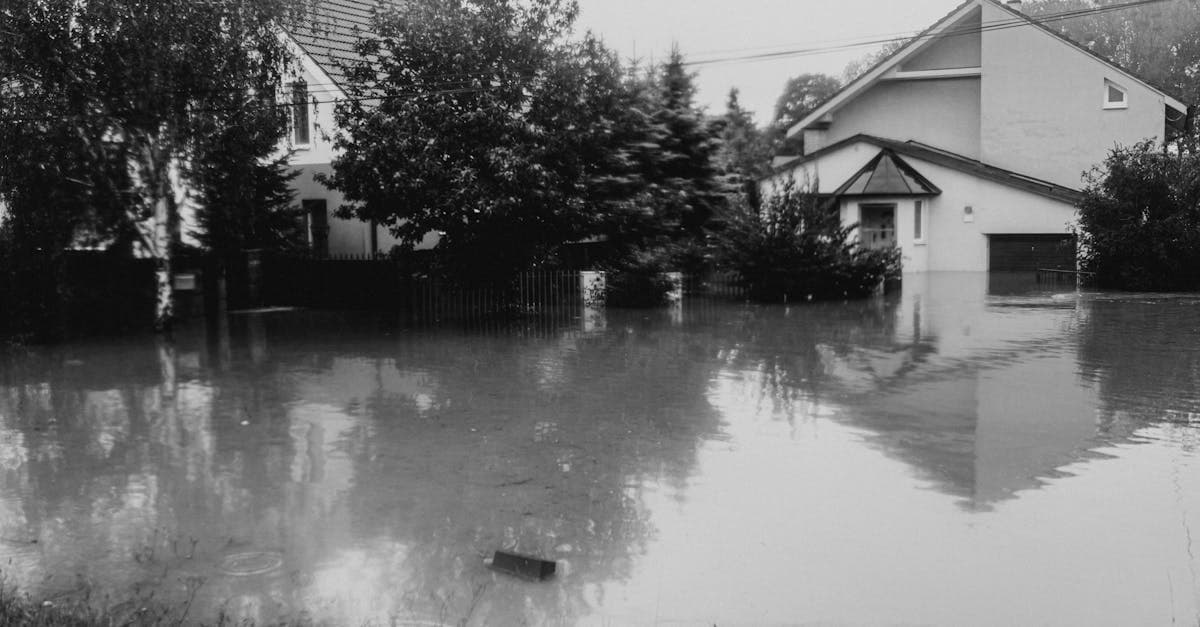
FEMA Flood Maps Are Outdated: Why Your Zone May Not Reflect Your Real Risk
Many FEMA flood maps have not been updated in over a decade. Development, drainage changes, and climate shifts mean your current flood zone designation may significantly understate your actual risk.

How Florida Statute 627.701 Protects Homeowners From Repeated Hurricane Deductibles
Florida is the only major hurricane state that limits the hurricane deductible to one application per calendar year. This statutory protection saves Florida homeowners thousands during multi-storm seasons.

Hurricane Deductible and the Saffir-Simpson Scale: Does Category Matter for Triggers?
Your hurricane deductible applies to any declared hurricane regardless of category. A Category 1 hurricane triggers the same deductible as a Category 5. The classification as a hurricane is what matters, not the intensity.

The Hidden Cost of Florida Hurricane Deductibles That Homeowners Miss
Many Florida homeowners focus on their regular deductible and overlook the hurricane deductible until a storm hits. A 5 percent deductible on a $400,000 home means $20,000 out of pocket — a number that shocks most policyholders.

Hurricane Deductible in Coastal States: Where These Deductibles Are Most Common
Hurricane deductibles are standard in coastal states from Texas to Maine. Florida, Louisiana, Mississippi, Alabama, South Carolina, North Carolina, and the Gulf and Atlantic coasts all require them.

The National Flood Insurance Program and Wind Damage: What NFIP Does Not Cover
NFIP flood insurance covers damage from rising water only. Wind damage, wind-driven rain, and other non-flood perils require your homeowners insurance policy for coverage.

Hurricane Water Damage: Which Insurance Policy Covers What?
Hurricanes cause both wind damage and flood damage simultaneously. Homeowners insurance covers wind-driven damage while flood insurance covers storm surge and rising water. Most hurricane victims need both policies to recover.

Land Value and Flood Insurance: Why Your Property's Land Is Never Covered
Flood insurance covers the building structure and its contents but never covers the land underneath. Erosion, land subsidence, and soil contamination from flooding are excluded from standard flood insurance policies.

Flood Insurance and Storm Surge: Coverage When Coastal Water Invades Your Home
Storm surge damage is covered by flood insurance because storm surge meets the definition of flooding under NFIP and private flood policies. Homeowners insurance does not cover storm surge damage.

Flood Insurance for Florida Mobile and Manufactured Homes
Mobile and manufactured homes in Florida are particularly vulnerable to flood damage. Their construction makes them more susceptible to water intrusion, and repair costs can approach replacement value.

How FEMA Flood Maps Determine Insurance Requirements in Florida
FEMA flood maps are the foundation of flood insurance requirements in Florida. These maps designate risk zones that determine whether your property faces a federal flood insurance mandate.
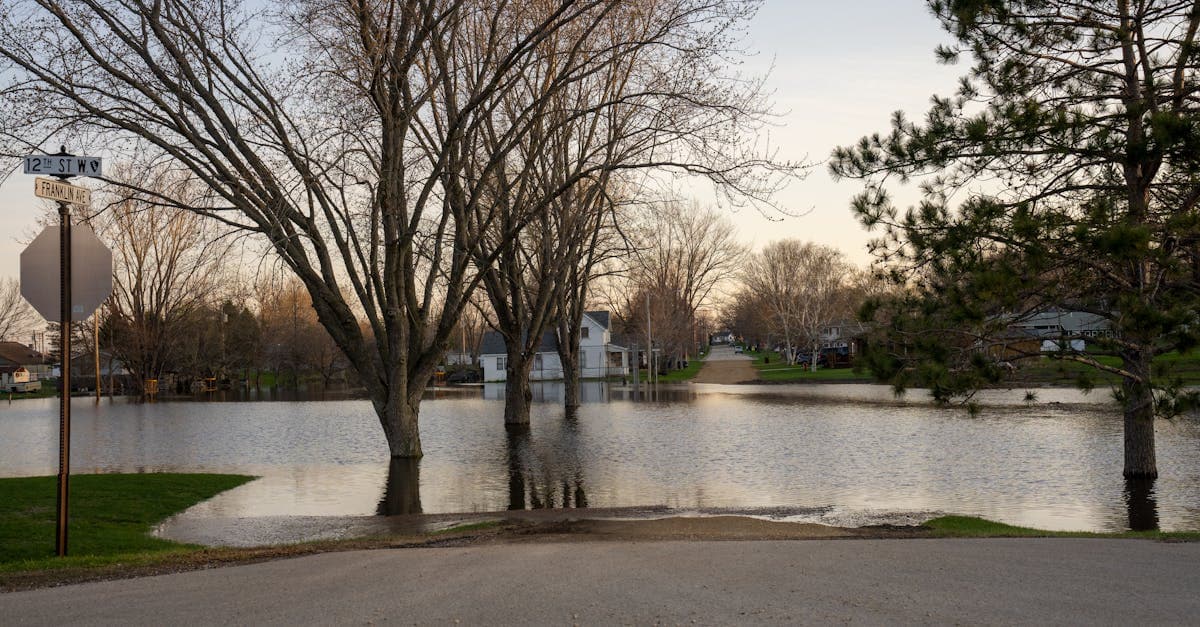
How to File a Flood Insurance Claim: Step-by-Step Guide
Filing a flood insurance claim involves documenting damage, contacting your insurer within 60 days, meeting with an adjuster, and providing proof of loss. Understanding the process helps you recover faster.
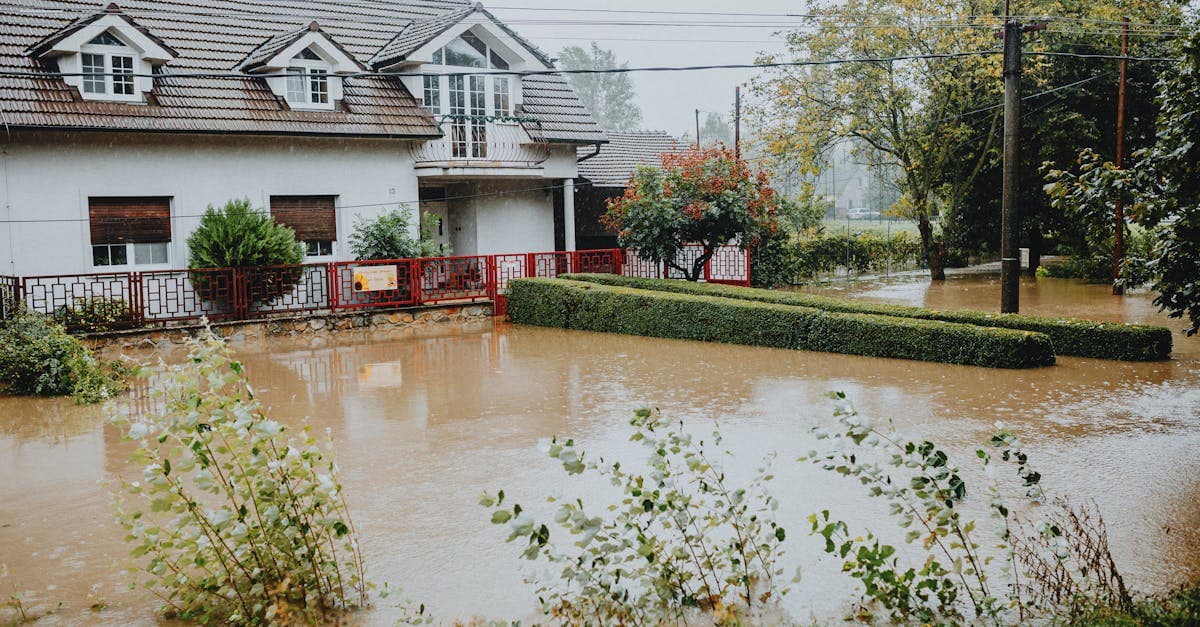
Does Homeowners Insurance Cover Basement Flooding?
Basement flooding from rising groundwater or surface water entering through foundation walls is excluded flood damage. Your homeowners policy may cover sewer backup with an endorsement, but true flood damage requires flood insurance.

Water Damage Coverage Gaps in Florida Homeowners Policies
Florida's humidity, rainfall, and storm exposure create frequent water damage situations. Understanding exactly which water damage scenarios your policy covers and which it excludes prevents claim denials.

HVAC System Upgrade and Insurance: Premium and Coverage Effects
Upgrading your HVAC system improves your home's value and may reduce insurance costs. Modern heating and cooling systems are less likely to cause fire or water damage than aging equipment.

Declarations Page vs Full Policy: What Each Document Contains
Your declarations page summarizes your coverage while the full policy contains the detailed terms, conditions, and exclusions. Both documents work together to define your complete protection.

Receipts You Should Always Keep for Home Insurance Claims
Major appliance receipts, electronics purchase records, furniture invoices, jewelry appraisals, and home improvement contractor receipts are the most commonly requested documents during personal property and dwelling claims.
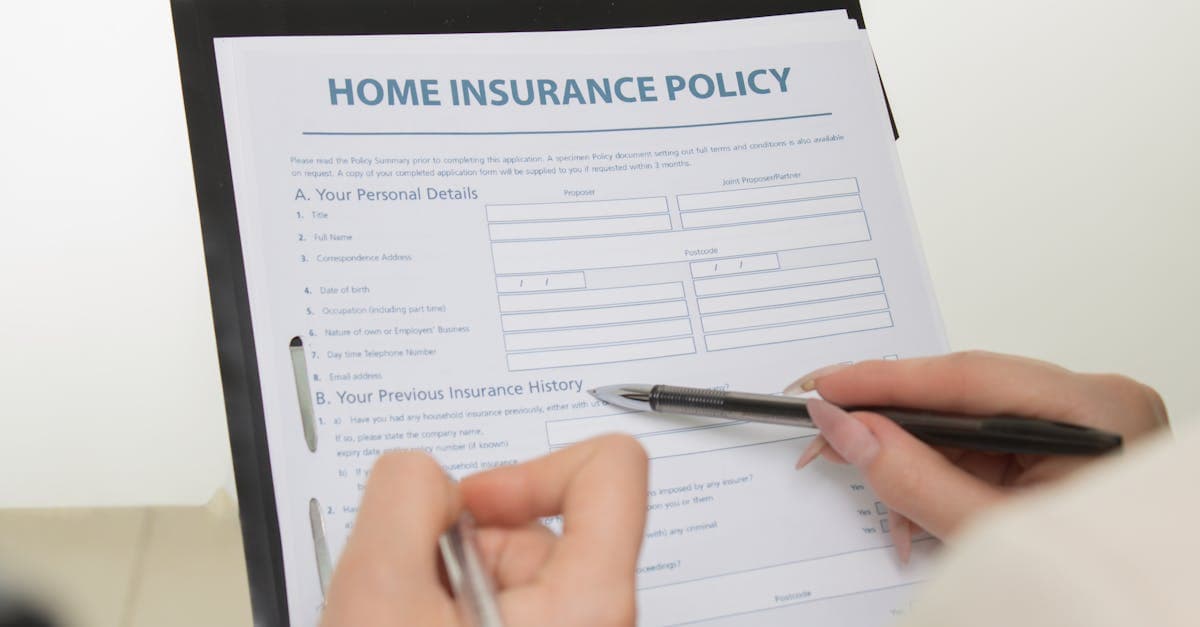
How to Compare Quotes When Switching Homeowners Insurance Mid-Term
Comparing mid-term quotes requires matching coverage limits, deductibles, endorsements, and policy forms exactly. A lower premium means nothing if the replacement policy provides less protection than your current one.

How Market Conditions Affect Your Homeowners Insurance Renewal
Insurance markets tighten and soften over time, affecting availability, pricing, and coverage terms. Understanding current market conditions helps you negotiate your renewal or decide to shop.

Catastrophe Loading: How Disaster Trends Increase Premiums for Everyone
Even if your area has not experienced a disaster, global and regional catastrophe trends can increase your premium. Insurers spread catastrophe risk across their entire book of business.

How Your Deductible Applies When Your Home Is Totally Destroyed
On a total loss claim, some policies waive the deductible entirely. Others subtract it from the full dwelling coverage payout. Knowing your policy's total loss deductible provision matters.

First-Time Homebuyer Insurance Guide: How Much Coverage Do You Really Need?
First-time buyers often accept the minimum coverage their lender requires without understanding what that minimum actually covers. This guide helps new homeowners evaluate their true coverage needs before purchasing their first policy.

Actual Cash Value Disputes in Homeowners Claims
If your insurer's ACV determination seems unfairly low, you have the right to challenge it. Understanding the dispute and appraisal process gives you leverage in negotiations.

Common Disputes in Replacement Cost Claims and How to Resolve Them
Disagreements over material quality, labor costs, scope of repairs, and depreciation calculations are common in replacement cost claims. Understanding your rights helps you negotiate a fair settlement.

How Personal Property Coverage Handles Furniture and Appliance Replacement
Your furniture, major appliances, and household items are covered under personal property coverage. Replacement cost valuation ensures you can buy new items, not used equivalents.
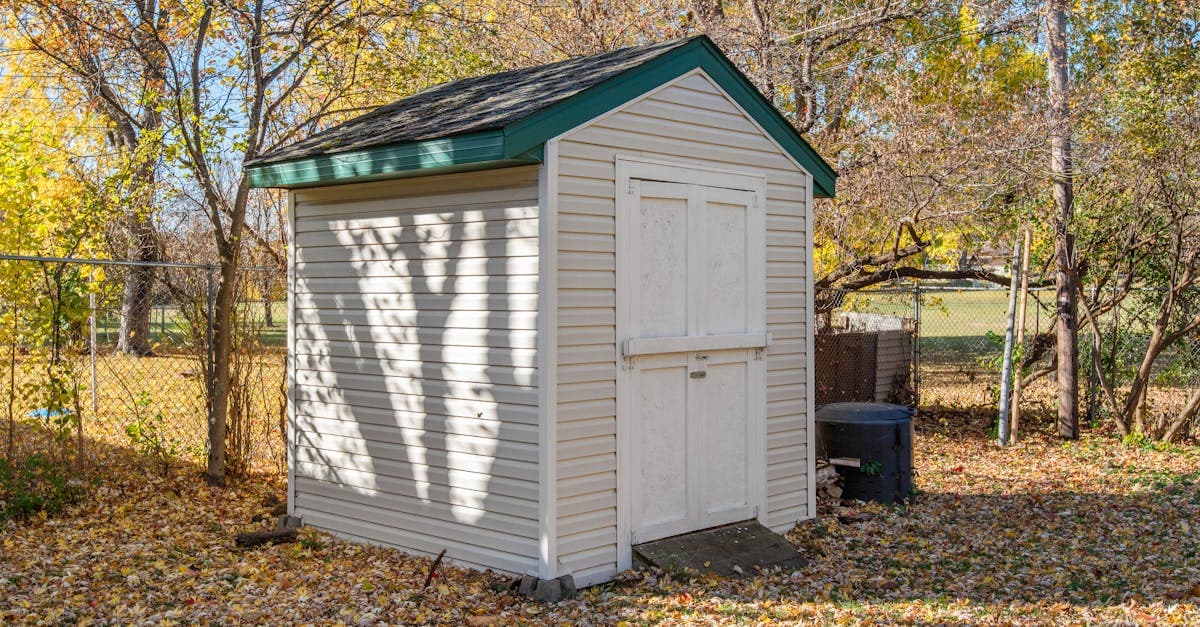
Other Structures Coverage for Guest Houses and In-Law Suites
A detached guest house or in-law suite on your property falls under Coverage B. If the structure is rented to others, additional coverage considerations may apply.

What Dwelling Coverage Does Not Cover: Important Exclusions
Dwelling coverage excludes flood damage, earthquake damage, normal wear and tear, pest damage, and maintenance failures. Knowing these exclusions helps you identify supplemental coverage needs.

Loss of Use Coverage During Mandatory Evacuations: Are You Covered?
Some homeowners policies cover additional living expenses during government-ordered evacuations, even when your home is not damaged. Understanding this coverage benefit could save you thousands.

Swimming Pools and Personal Liability: What Homeowners Must Know
Swimming pools significantly increase your liability exposure. Understanding the coverage implications and risk management strategies protects your finances.

International Travel and Homeowners Personal Property Coverage
Your homeowners policy may protect belongings stolen or damaged during international trips. Coverage limits and exclusions vary, so preparation before travel is essential.
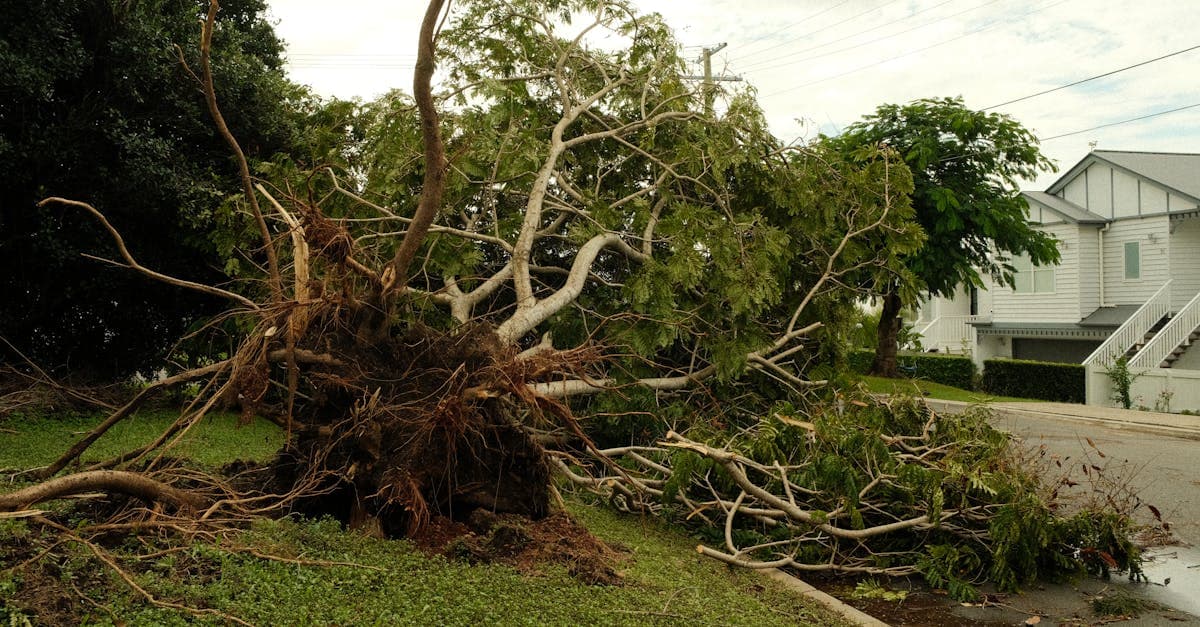
Preventive Tree Maintenance and Your Insurance Coverage
Regular tree maintenance reduces damage risk and strengthens your insurance position. Insurers expect homeowners to maintain trees as part of their property upkeep.

How to Document Storm Damage for Your Insurance Claim
Thorough documentation is the single most important factor in getting a fair storm damage settlement. These steps ensure you capture everything the adjuster needs.

Older Home Plumbing and Insurance: Risks You Should Know
Homes with aging plumbing systems face higher risks and potential coverage limitations. Knowing your pipe materials and age helps you manage insurance effectively.

Mold Prevention and Your Homeowners Insurance Policy
Preventing mold is always cheaper than remediating it. Your insurance policy also rewards prevention by maintaining coverage for sudden events while excluding neglect.
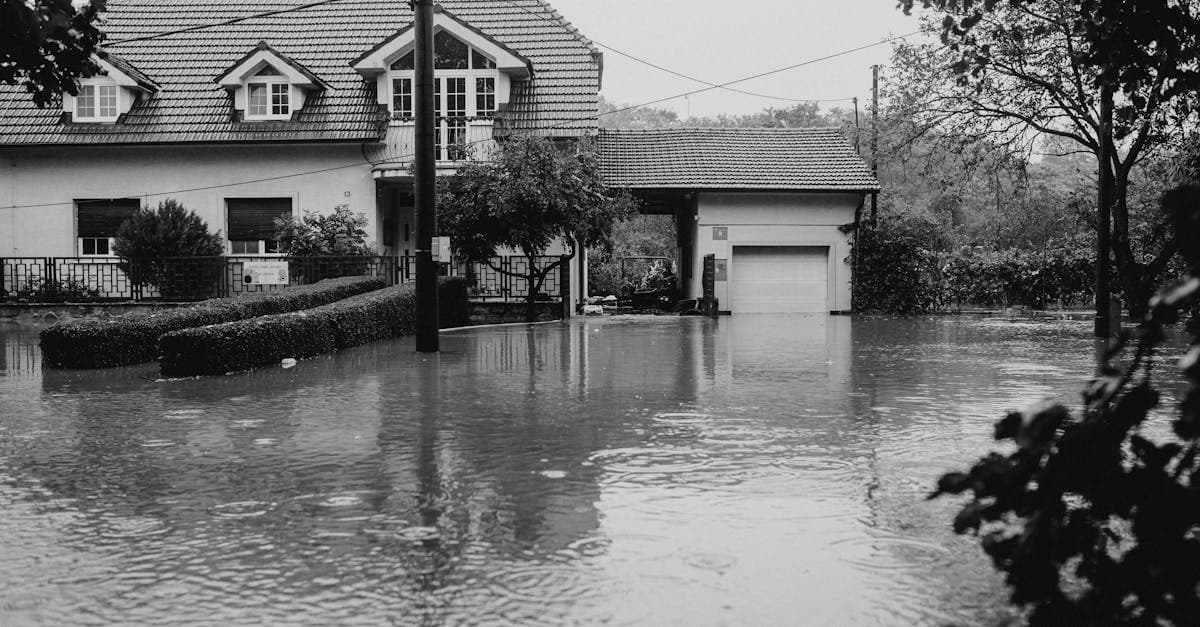
Toilet Overflow Water Damage: What Your Policy Covers
Accidental toilet overflow is a covered water damage event under most homeowners policies. Understanding the difference between a sudden overflow and a chronic running toilet determines your coverage.

The Maintenance Exclusion: Why Your Roof Leak Might Not Be Covered
Homeowners insurance excludes damage from lack of maintenance, and insurers frequently apply this exclusion to roof leaks. Understanding what constitutes maintenance prevents costly denials.

Foundation Settling and Cracks: What Your Homeowners Policy Excludes
Foundation damage from settling, shifting soil, and earth movement is excluded from standard homeowners insurance. This exclusion leaves homeowners responsible for one of the most expensive repairs.

Does Homeowners Insurance Cover Flooding? The Critical Gap
Standard homeowners insurance does not cover flood damage. This exclusion catches many homeowners off guard and requires a separate flood insurance policy to address.

Reviewing Your Florida Policy After a Credit Score Improvement
Florida insurers use credit-based insurance scores in pricing. When your credit improves, a policy review can unlock lower premiums that your insurer will not offer automatically.

Force-Placed Insurance in Florida: What Happens When Your Lender Steps In
Force-placed insurance costs three to five times more than regular coverage and protects only the lender. Understanding this consequence motivates drivers to prevent lapses.

Florida's Uninsured Motorist Problem and How It Affects You
Florida has one of the highest uninsured motorist rates in the nation. Understanding this risk explains why uninsured motorist coverage is so valuable in the Sunshine State.

Understanding Florida PDL Subrogation: Getting Paid After Someone Hits You
When another driver's PDL pays for damage to your property, the subrogation process determines how and when you receive compensation.

Florida PIP Death Benefits: What Families Should Know
PIP provides $5,000 in death benefits when an auto accident results in a fatality. Understanding this benefit and its limitations helps families prepare during a devastating time.

Florida Car Accident Statute of Limitations: Deadlines You Cannot Miss
Florida imposes strict deadlines for filing accident claims and lawsuits. Missing these deadlines can eliminate your right to recovery.

What Happens If Someone Totals Your Car While Borrowing It?
A total loss from a borrower's accident means your insurance pays actual cash value. Understanding the payout process prevents financial surprises.

What Happens If Someone Steals Your Car and Causes an Accident?
Theft removes permissive use from the equation entirely. Understanding how insurance responds to accidents involving stolen vehicles clarifies your liability.

Theft Coverage for Leased Vehicles: What Lessees Need to Know
A stolen leased vehicle creates obligations to both your insurer and the leasing company. Understanding how these relationships interact prevents financial surprises.

Windshield Cracks and Vehicle Safety: Why Quick Repair Matters
A cracked windshield compromises airbag deployment and structural integrity. Insurance covers the repair because the safety stakes are genuinely high.

Gap Insurance for New Car Buyers: First-Year Protection
New vehicles lose value rapidly in the first year. Gap insurance protects against the immediate depreciation that puts most new car buyers underwater.

How to Choose a Rental Car Under Your Reimbursement Coverage
Your daily limit determines what class of rental vehicle you can afford. Understanding how to match rental costs to coverage maximizes your benefit.

Roadside Assistance Response Times: What to Expect
Average response times for roadside assistance range from thirty to sixty minutes depending on location. Understanding factors that affect response helps manage expectations.

Is Uninsured Motorist Coverage Worth It If You Drive a Cheap Car?
Even if your car has low value, your body does not. UM bodily injury coverage protects your health and income regardless of vehicle worth.

Hit by an Uninsured Driver While Walking? UM Coverage Pays
If an uninsured driver hits you while walking or cycling, your own auto policy's UM coverage can pay your medical bills, lost wages, and pain and suffering.

Does Comprehensive Insurance Cover Flood Damage to Your Car?
Flooding destroys thousands of vehicles every year. Comprehensive insurance covers flood damage, but the claims process has important nuances.

Filing a Collision Insurance Claim: A Step-by-Step Guide
Knowing the claim process before you need it reduces stress and ensures you receive the full payout you deserve after an accident.

The Connection Between Liability Limits and Umbrella Insurance
Umbrella policies require minimum underlying liability limits. Increasing your auto liability is often the first step toward comprehensive excess protection.

What Your Insurance Agent Means When They Say Full Coverage
Agents use full coverage casually, but their definition may differ from yours. Clarifying exactly what's included prevents mismatched expectations.

What Is Comprehensive Coverage? When You Need It (And When You Don't)
Comprehensive coverage pays for theft, hail, fire, and animal strikes — anything except crashes. See when it's worth the extra premium and when to skip it.

Questions About Renewal Terms That Protect Your Future
What happens at renewal can completely change your coverage. Ask these questions to avoid rate shocks and coverage reductions down the road.

Insurance Review at Retirement: Restructuring Coverage for a New Phase
Retirement changes everything about your insurance needs — income, assets, lifestyle, health, and risk profile all shift simultaneously.

How Your Zip Code Affects Your Insurance Rate More Than You Think
Crime rates, weather patterns, fire department ratings, and litigation trends in your area all factor into your premium — and they change over time.

Cosmetic Damage and Insurance: Why Minor Dents Are Not Worth a Claim
That fender scratch or driveway stain might annoy you, but filing a claim for cosmetic damage almost never makes financial sense.
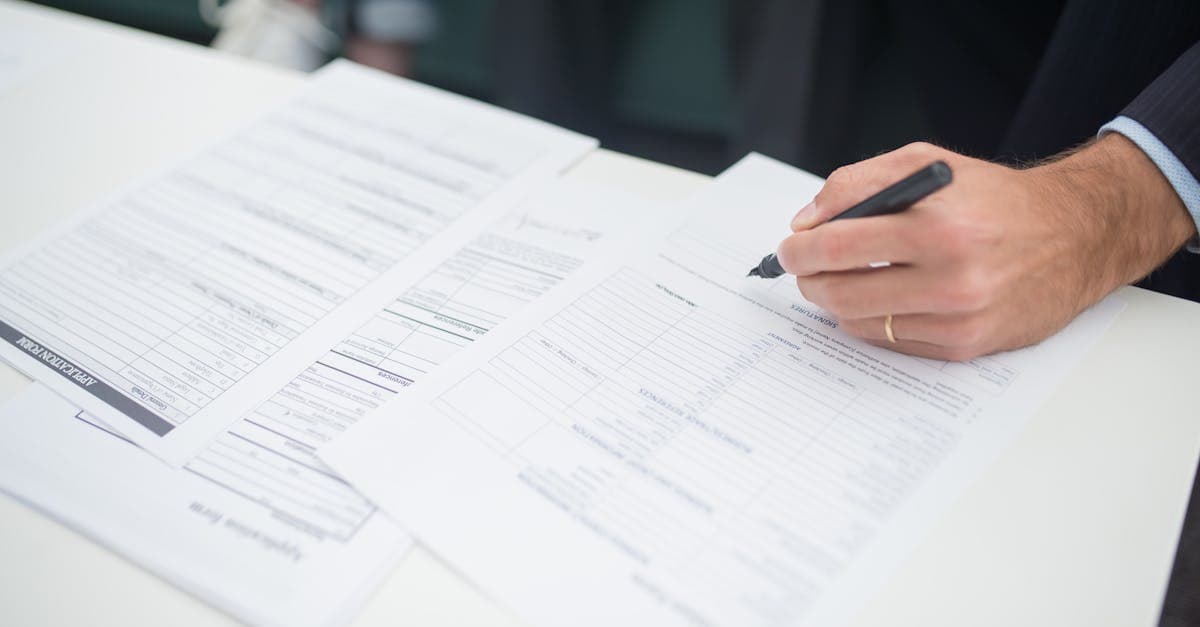
The Role of Your Insurance Agent in Filing Decisions
Your agent can provide insight into how a claim might affect your premiums and whether alternative approaches might serve you better.

Small Claims vs Large Claims: Different Strategies for Each
A minor fender bender and a total house fire require very different approaches. Match your claims strategy to the size of your loss.

Home Business Endorsements: Protecting Your Side Hustle
If you work from home, a home business endorsement adds essential property and liability coverage that your standard policy excludes.

How to Read the Exclusions Section of Your Insurance Policy
Policy exclusions are written in specific legal language. Learning to read them empowers you to understand your actual coverage.

Actual Cash Value vs Fair Market Value: Understanding the Difference
ACV and fair market value are related but not identical concepts. Knowing the distinction matters for insurance claims and negotiations.
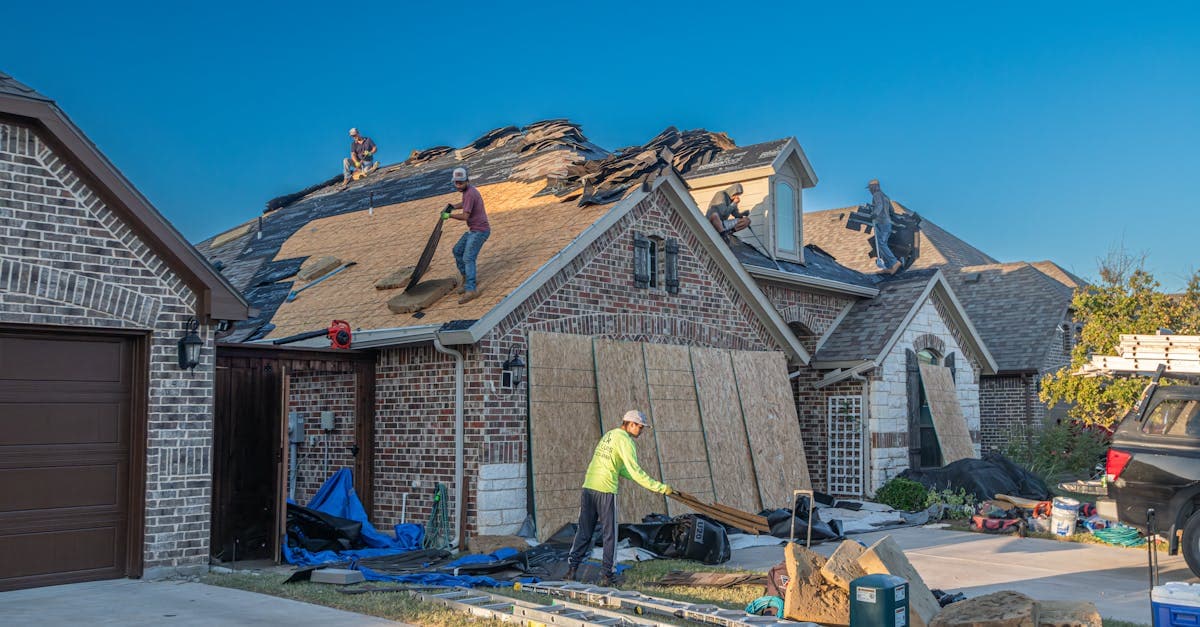
The Two-Payment Process in Replacement Cost Claims
Most replacement cost policies pay actual cash value first, then reimburse the depreciation once you complete repairs. Understanding this process prevents surprises.

Split Limits vs Combined Single Limits in Auto Insurance
Auto policies express liability limits in two different formats. Understanding both helps you compare quotes accurately.

Dec Page Basics: What Every Insurance Buyer Must Know
The declarations page is your first stop for understanding any insurance policy. Learn what each section contains and how it affects your coverage.

Insurance Premiums Explained: A Beginner's Guide
Your premium is what you pay your insurer — but how is it calculated? This guide explains how premiums work, what drives them, and how to lower yours.

Deductibles Demystified: A Practical Guide for Real People
No jargon, no fine print tricks. Just a clear explanation of how deductibles work and how to make them work for you.
Covered With Confidence: How to Read Your Policy and Know Exactly What's Protected
Confidence in your coverage starts with understanding your policy. Here's a practical guide to reading insurance documents — section by section — so you never have to wonder what's covered again.
