Does Homeowners Insurance Cover Basement Flooding?

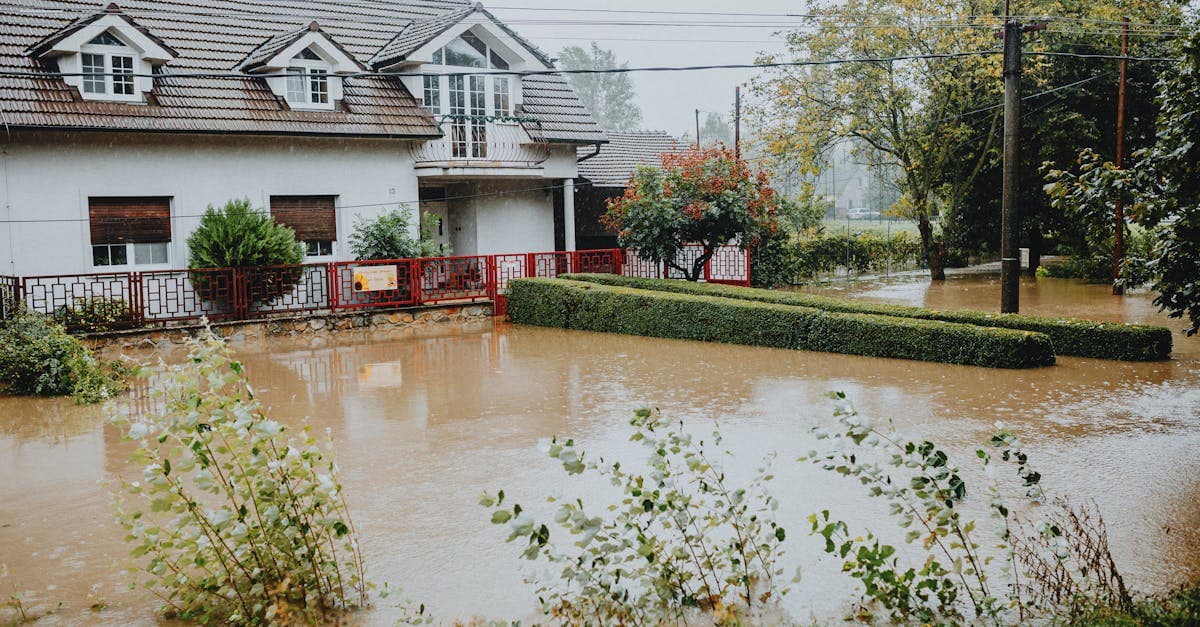
Dangerous myths about homeowners insurance and flood damage leave millions of families exposed to catastrophic losses. Let us correct the most harmful misconceptions before they cost you everything.
Myth one: homeowners insurance covers flood damage. It never has and it never will. Every standard homeowners policy in the United States contains an explicit flood exclusion. This exclusion applies to every homeowner in every flood zone with every insurer.
Myth two: if you live far from water, you will never flood. Over 25 percent of flood claims come from outside FEMA high-risk zones. Heavy rainfall, poor drainage, and development changes cause flooding anywhere, regardless of proximity to rivers or coasts.
Myth three: the government will pay for your flood damage. Federal disaster assistance requires a presidential disaster declaration, averages only about $5,000, and typically comes as a loan — not a grant. It is not a substitute for insurance.
Myth four: flood insurance is too expensive. NFIP Preferred Risk Policies for homes in low-risk zones can cost a few hundred dollars per year. Even standard NFIP policies average less than $1,000 annually — a fraction of potential flood damage costs.
Myth five: you can buy flood insurance when a storm is coming. NFIP policies have a 30-day waiting period. By the time you see a flood threat, it is too late to purchase protection.
Understanding the truth is the load-bearing wall that prevents the entire financial structure from collapsing when floodwater pushes against the foundation of your standard coverage. These myths collectively create the conditions for financial devastation that separate flood insurance would prevent.
Sewer Backup Coverage vs Flood Insurance: Different Policies for Different Water
Here is what you actually need to do. Sewer backup and flooding are different events with different insurance solutions. Understanding the distinction prevents you from assuming one coverage protects against both — and from discovering the gap after damage occurs.
Sewer backup defined: Sewer backup occurs when water or sewage returns through your home's sewer line, floor drains, or sump pump system. This happens when municipal sewers are overwhelmed, tree roots block sewer lines, or sump pump power fails during a storm.
Flood damage defined: Flood damage results from external water entering your home from outside — rising surface water, river overflow, storm surge, or overland flow. The water comes from outside and enters through doors, windows, walls, or foundations.
Coverage source for sewer backup: Sewer backup coverage is an endorsement added to your homeowners insurance policy for an additional premium, typically $40 to $160 per year. It is not included in standard homeowners policies by default — you must specifically request and purchase it.
Coverage source for flood damage: Flood damage requires a separate flood insurance policy through the NFIP or a private flood insurer. It cannot be added to your homeowners policy in most cases and must be purchased as a standalone product.
When both happen simultaneously: During heavy storms, your basement can flood from two directions at once. Sewer water backs up through your floor drain while surface floodwater enters through window wells. Without both coverages, some portion of the damage is uninsured.
Coverage limits comparison: Sewer backup endorsements typically offer $5,000 to $25,000 in coverage. NFIP flood policies offer up to $250,000 in building coverage. The scope of protection is very different, reflecting the typically different scale of damage from each source.
The recommended approach: For comprehensive water damage protection, carry homeowners insurance with a sewer backup endorsement plus a separate flood insurance policy. Together, these coverages address water entering your home from internal plumbing failures, sewer system backup, and external flooding.
Climate Change and the Growing Importance of Flood Insurance
The fix is straightforward. Climate change is increasing flood risk across the United States in ways that make the homeowners insurance flood exclusion more consequential than ever — because the missing support beam in your insurance framework that lets the whole structure buckle the moment rising water applies pressure.
More intense rainfall: Warmer temperatures increase atmospheric moisture, leading to heavier rainfall events. Extreme precipitation events are becoming more frequent and more intense, delivering more water in shorter periods and overwhelming drainage systems designed for historical conditions.
Rising sea levels: Sea level rise increases the frequency and severity of coastal flooding, storm surge, and tidal inundation. Coastal communities face more frequent flood events even without major storms as baseline water levels continue to climb.
Shifting storm patterns: Historical storm tracks are changing, bringing heavy precipitation to areas that historically experienced less rainfall. Communities with drainage infrastructure designed for past precipitation patterns are increasingly overwhelmed by storms that exceed design capacity.
Expanding flood risk areas: As rainfall intensifies and sea levels rise, flood risk is expanding beyond traditional FEMA-designated zones. Areas that have never flooded are experiencing their first flood events, and homeowners in these areas typically have no flood insurance.
Outdated flood maps: FEMA flood maps are based heavily on historical data and may not reflect current or future flood risk under changing climate conditions. Many maps have not been updated in over a decade, meaning your zone designation may significantly understate your actual exposure.
The forward-looking decision: Purchasing flood insurance based on historical risk alone may not capture your future exposure. Climate trends point toward increasing flood risk in most areas. The homeowners policy flood exclusion means this growing risk falls entirely on uninsured homeowners unless they secure separate flood coverage.
Storm Surge, Coastal Flooding, and Your Homeowners Policy
The fix is straightforward. Coastal homeowners face a particularly dangerous version of the flood exclusion because their most likely source of catastrophic damage — storm surge from hurricanes and tropical storms — is classified as flood damage and excluded from homeowners coverage.
Storm surge is a flood event: When hurricane winds push ocean water inland, the resulting storm surge is classified as flooding under your homeowners policy. Even though the water arrives because of wind — a covered peril — the damage caused by the rising water itself is excluded as flood damage.
The wind vs surge distinction: After a hurricane, the claims adjustment process must distinguish between wind damage, which homeowners insurance covers, and flood or surge damage, which it does not. Wind can tear off roofs and break windows. Storm surge can inundate entire ground floors. Both happen during the same storm, but different policies cover each.
The coverage gap for coastal homes: A coastal homeowner with only homeowners insurance has coverage for wind damage to the roof and upper floors but zero coverage for storm surge damage to the ground floor and foundation. Since storm surge often causes the majority of hurricane damage, this gap can be enormous.
Flood insurance for storm surge: Both NFIP and private flood insurance policies cover storm surge damage. For coastal homeowners in hurricane-prone areas, flood insurance is essential for protecting against the primary source of catastrophic damage during tropical weather events.
Zone V designations: FEMA designates coastal high-hazard areas as Zone V, which faces the highest flood insurance premiums due to storm surge and wave action risk. Homes in Zone V with federally backed mortgages must carry flood insurance as a condition of the loan.
The comprehensive coastal strategy: Coastal homeowners need both homeowners insurance for wind and a separate flood policy for surge. Some also need windstorm-specific policies in states where standard homeowners policies exclude windstorm in coastal areas. Building a complete coverage portfolio requires understanding which perils each policy addresses.
Risk Rating 2.0: How FEMA's New Pricing Changes Flood Insurance Costs
Here is what you actually need to do. FEMA's Risk Rating 2.0 methodology represents the biggest change to flood insurance pricing since the NFIP's creation. Understanding this new approach helps homeowners anticipate their premiums and make informed purchasing decisions.
The old system's limitations: Under the legacy rating system, flood insurance premiums were based primarily on the property's FEMA flood zone and the building's elevation relative to the base flood elevation. This produced premiums that sometimes poorly reflected actual risk — some high-risk properties were undercharged while some lower-risk properties were overcharged.
What Risk Rating 2.0 considers: The new methodology evaluates flood frequency, multiple flood types including fluvial, pluvial, coastal, and storm surge, distance to the nearest water source and its type, property elevation, the cost to rebuild the structure, and building characteristics including foundation type and number of floors.
Impact on premiums: Risk Rating 2.0 produces more individualized premiums. Some homeowners see decreases because their individual risk factors are better than their zone suggested. Others see increases because their specific exposure — proximity to water, low elevation, or high replacement cost — was previously underpriced.
Annual increase caps: To prevent sudden premium shocks, FEMA caps annual NFIP premium increases at 18 percent for most policyholders. Homeowners whose Risk Rating 2.0 premiums are higher than their legacy rates will see gradual annual increases until their premium reaches the full actuarial rate.
Benefits for lower-risk properties: Homeowners with genuinely low flood risk may benefit from Risk Rating 2.0 pricing that better reflects their minimal exposure. Properties on higher ground, far from water, and with favorable building characteristics may see stable or reduced premiums.
The practical step: The best way to understand how Risk Rating 2.0 affects your flood insurance cost is to request a current quote. Your insurance agent can provide a premium estimate based on the new methodology, allowing you to make an informed decision about coverage.
Storm Surge, Coastal Flooding, and Your Homeowners Policy
The fix is straightforward. Coastal homeowners face a particularly dangerous version of the flood exclusion because their most likely source of catastrophic damage — storm surge from hurricanes and tropical storms — is classified as flood damage and excluded from homeowners coverage.
Storm surge is a flood event: When hurricane winds push ocean water inland, the resulting storm surge is classified as flooding under your homeowners policy. Even though the water arrives because of wind — a covered peril — the damage caused by the rising water itself is excluded as flood damage.
The wind vs surge distinction: After a hurricane, the claims adjustment process must distinguish between wind damage, which homeowners insurance covers, and flood or surge damage, which it does not. Wind can tear off roofs and break windows. Storm surge can inundate entire ground floors. Both happen during the same storm, but different policies cover each.
The coverage gap for coastal homes: A coastal homeowner with only homeowners insurance has coverage for wind damage to the roof and upper floors but zero coverage for storm surge damage to the ground floor and foundation. Since storm surge often causes the majority of hurricane damage, this gap can be enormous.
Flood insurance for storm surge: Both NFIP and private flood insurance policies cover storm surge damage. For coastal homeowners in hurricane-prone areas, flood insurance is essential for protecting against the primary source of catastrophic damage during tropical weather events.
Zone V designations: FEMA designates coastal high-hazard areas as Zone V, which faces the highest flood insurance premiums due to storm surge and wave action risk. Homes in Zone V with federally backed mortgages must carry flood insurance as a condition of the loan.
The comprehensive coastal strategy: Coastal homeowners need both homeowners insurance for wind and a separate flood policy for surge. Some also need windstorm-specific policies in states where standard homeowners policies exclude windstorm in coastal areas. Building a complete coverage portfolio requires understanding which perils each policy addresses.
Risk Rating 2.0: How FEMA's New Pricing Changes Flood Insurance Costs
Here is what you actually need to do. FEMA's Risk Rating 2.0 methodology represents the biggest change to flood insurance pricing since the NFIP's creation. Understanding this new approach helps homeowners anticipate their premiums and make informed purchasing decisions.
The old system's limitations: Under the legacy rating system, flood insurance premiums were based primarily on the property's FEMA flood zone and the building's elevation relative to the base flood elevation. This produced premiums that sometimes poorly reflected actual risk — some high-risk properties were undercharged while some lower-risk properties were overcharged.
What Risk Rating 2.0 considers: The new methodology evaluates flood frequency, multiple flood types including fluvial, pluvial, coastal, and storm surge, distance to the nearest water source and its type, property elevation, the cost to rebuild the structure, and building characteristics including foundation type and number of floors.
Impact on premiums: Risk Rating 2.0 produces more individualized premiums. Some homeowners see decreases because their individual risk factors are better than their zone suggested. Others see increases because their specific exposure — proximity to water, low elevation, or high replacement cost — was previously underpriced.
Annual increase caps: To prevent sudden premium shocks, FEMA caps annual NFIP premium increases at 18 percent for most policyholders. Homeowners whose Risk Rating 2.0 premiums are higher than their legacy rates will see gradual annual increases until their premium reaches the full actuarial rate.
Benefits for lower-risk properties: Homeowners with genuinely low flood risk may benefit from Risk Rating 2.0 pricing that better reflects their minimal exposure. Properties on higher ground, far from water, and with favorable building characteristics may see stable or reduced premiums.
The practical step: The best way to understand how Risk Rating 2.0 affects your flood insurance cost is to request a current quote. Your insurance agent can provide a premium estimate based on the new methodology, allowing you to make an informed decision about coverage.
The National Flood Insurance Program: How It Works for Homeowners
Here is what you actually need to do. The NFIP was created in 1968 to provide flood insurance that private markets refused to offer. Understanding how this federal program works helps homeowners navigate their primary option for closing the flood coverage gap.
Program structure: The NFIP is administered by FEMA but policies are sold and serviced through approximately 50 participating private insurance companies called Write Your Own carriers. You purchase an NFIP policy through your insurance agent, but the coverage is backed by the federal government.
Building coverage: NFIP residential policies offer building coverage up to $250,000. This covers the physical structure of your home including foundation walls, electrical and plumbing systems, HVAC equipment, permanently installed features like cabinets and built-in appliances, and debris removal.
Contents coverage: Separate contents coverage up to $100,000 protects personal property including furniture, clothing, electronics, and portable appliances. Building and contents coverage are purchased separately — having one does not automatically include the other.
What NFIP does not cover: NFIP policies exclude certain items including outdoor property, landscaping, currency, precious metals, and damage caused by moisture or mold that could have been prevented by the property owner. Below-grade coverage is more limited, excluding finished improvements like carpet, drywall, and paneling in basements.
Deductible options: NFIP policies offer deductibles ranging from $1,000 to $10,000 for building coverage and $1,000 to $10,000 for contents coverage. Higher deductibles reduce annual premiums but increase your out-of-pocket cost when filing a claim.
The waiting period: NFIP policies have a standard 30-day waiting period between purchase and the start of coverage. Exceptions exist for new mortgage loans and map revision changes, but in most cases, you must purchase 30 days before a flood to be covered.
Eligibility: NFIP flood insurance is available to homeowners, renters, and business owners in communities that participate in the NFIP. Most communities in the United States participate, making NFIP coverage widely available.
The Bottom Line on Homeowners Insurance and Flood Damage
Think of flood insurance as the load-bearing wall that prevents the entire financial structure from collapsing when floodwater pushes against the foundation of your standard coverage. Your homeowners policy is a powerful tool, but it has a blind spot — flood damage — that it cannot and will not address. Separate flood insurance is the correction that makes your overall protection complete.
Just as you would not drive without auto insurance because you are a careful driver, you should not go without flood insurance because you live in a low-risk area. The risk may be lower, but the consequences are just as severe when flooding occurs. And the cost of coverage in low-risk areas is proportionally lower, making the decision even more favorable.
The homeowners insurance flood exclusion has existed for over 50 years and is not going to change. It exists for sound actuarial reasons — flood risk is too concentrated and correlated for standard insurance pools. The NFIP and private flood insurers exist specifically to fill this gap with products designed for the unique characteristics of flood risk.
Your action step is straightforward: contact your insurance agent, request a flood insurance quote, and make an informed decision. The worst outcome is discovering you needed flood insurance after the water has already arrived and the claim has already been denied.
Continue reading

How to Use an Insurance Quote Comparison Spreadsheet Effectively
A simple spreadsheet that lines up coverage elements side by side transforms confusing quotes into clear comparisons. Setting up this tool correctly makes your decision data-driven rather than gut-driven.

Policy Checkup for Auto Insurance: Are You Still Getting the Best Deal?
Auto insurance checkups should review liability limits, collision and comprehensive deductibles, uninsured motorist coverage, and available discounts. Driving changes and vehicle changes affect your needs.

When Assignment of Benefits Hurts Policyholders: Warning Signs
AOB can go wrong when contractors inflate bills, file lawsuits without your knowledge, or perform shoddy work you cannot control. Recognizing warning signs protects you from AOB abuse.