Florida Car Accident Statute of Limitations: Deadlines You Cannot Miss


Florida's no-fault system generates more myths and misconceptions than almost any other state's insurance framework. These myths cost accident victims thousands of dollars in lost benefits and missed recovery opportunities.
Myth one: the at-fault driver's insurance pays your medical bills immediately. Wrong — in Florida's no-fault system, your own PIP coverage pays your medical bills regardless of fault. Myth two: you can wait to see a doctor if you feel fine after the accident. Dangerous — Florida's fourteen-day rule eliminates PIP benefits if you do not seek medical attention within two weeks.
Myth three: you cannot sue the other driver in a no-fault state. Partially wrong — Florida allows lawsuits when injuries meet the serious injury threshold, which includes significant scarring, permanent injury, or death. Myth four: PIP covers all your medical expenses. Often wrong — PIP is capped at $10,000 and only covers 80 percent of medical costs.
Florida's post-accident system is the structured framework that supports your recovery after a Florida collision, but only if you understand how it works. The deadlines, coverage limits, and procedural requirements create a framework that rewards informed action and penalizes ignorance. This guide eliminates the myths and provides the facts you need to navigate a Florida accident effectively.
Hit-and-Run Accidents in Florida
Here is what you actually need to do. Florida has one of the highest hit-and-run rates in the nation, making this a common and frustrating scenario for accident victims. Understanding what to do and what coverage applies helps you recover when the at-fault driver flees.
Immediate steps: If the other driver flees, try to note their vehicle's make, model, color, and license plate number. Do not pursue the fleeing driver — this creates additional safety risks. Call 911 immediately to report the hit-and-run. Document all vehicle damage and scene details with photographs.
Police report is essential: A police report is critical for hit-and-run claims. The report establishes that the accident occurred, documents the evidence of the other vehicle's involvement, and initiates a potential investigation to identify the fleeing driver. Without a police report, your claim may face additional challenges.
Uninsured motorist coverage: If the hit-and-run driver is never identified, your uninsured motorist coverage is your primary source of recovery for injuries. Florida does not require UM coverage, but carriers must offer it, and drivers who carry it are protected against unidentified drivers. UM coverage pays for medical expenses and damages the same way the at-fault driver's insurance would have.
PIP still applies: Your PIP coverage pays your medical bills regardless of the hit-and-run situation. The fourteen-day rule still applies — see a doctor promptly. PIP does not require identification of the other driver because it operates under the no-fault principle.
Property damage recovery: For vehicle damage from a hit-and-run, your collision coverage is typically the primary option if the other driver is not identified. You pay your deductible and your insurer covers the repairs. If the hit-and-run driver is later identified, subrogation can recover your deductible.
Florida-Specific Rules That Affect Your Accident Claim
The fix is straightforward. Several Florida-specific laws and rules create unique aspects of the post-accident process. Understanding these rules prevents costly mistakes that drivers from other states or new Florida residents might not anticipate.
No bodily injury liability requirement: Unlike most states, Florida does not require drivers to carry bodily injury liability insurance. This means many Florida drivers carry only PIP and property damage liability. If such a driver causes your accident and your injuries exceed the PIP threshold, you may have no bodily injury coverage to claim against.
The financial responsibility law: While Florida does not require BI liability for registration, drivers who are at fault in an accident may be required to maintain bodily injury liability going forward under the Financial Responsibility Law. This prospective requirement does not help the current accident victim but creates future compliance obligations for at-fault drivers.
PIP reimbursement limitations: Florida law limits PIP reimbursement to specific fee schedules, meaning healthcare providers cannot bill more than certain amounts to PIP insurers. This helps preserve your $10,000 PIP benefit but may affect which providers are willing to treat accident victims.
Bad faith claims: Florida law allows policyholders to bring bad faith claims against their own insurer if the insurer unreasonably delays or denies a valid claim. If your PIP or UM insurer is not handling your claim in good faith, Florida's bad faith statute provides additional remedies beyond the policy benefits.
Seatbelt law and damages: Florida's seatbelt law requires front-seat occupants to wear seatbelts. While failure to wear a seatbelt does not eliminate your claim, evidence of non-use can be introduced to argue that your injuries would have been less severe with a seatbelt, potentially reducing your recovery.
Florida's Comparative Negligence Rules
Here is what you actually need to do. Florida's comparative negligence system determines how fault percentages affect your ability to recover damages after an accident. This system has significant implications for both property damage and bodily injury claims.
How comparative negligence works: Under comparative negligence, each party's recovery is reduced by their percentage of fault. If you are found 30 percent at fault for an accident and your total damages are $100,000, your recovery is reduced by 30 percent to $70,000. The at-fault party's recovery is similarly reduced by their fault percentage.
Modified comparative negligence (2023 change): Florida transitioned from pure comparative negligence to a modified system in 2023. Under the modified system, a party who is more than 50 percent at fault generally cannot recover damages from the other party. This is a significant change from the previous system, which allowed recovery regardless of fault percentage.
How fault percentages are assigned: Fault percentages are determined through negotiation between insurers, mediation, arbitration, or jury trial. Evidence including the police report, witness statements, physical damage patterns, and expert testimony all contribute to the fault allocation. The assigned percentages directly determine each party's financial recovery.
Multiple party fault: In accidents involving more than two vehicles, fault can be divided among all parties. A three-car chain reaction might result in fault allocations of 60 percent, 25 percent, and 15 percent. Each party's recovery is reduced by their own fault percentage and can only be collected from parties whose fault exceeds the threshold.
Practical impact on your claim: Understanding comparative negligence helps you assess the realistic value of your claim. If there is any evidence that you contributed to the accident — speeding, distracted driving, failure to yield — your recovery will be reduced. Thorough documentation that supports your version of events and minimizes your apparent fault strengthens your position.
Getting a Rental Car After a Florida Accident
The fix is straightforward. Being without your vehicle after a Florida accident creates practical problems for work, family, and daily life. Understanding your rental car options ensures you stay mobile while your vehicle is being repaired or replaced.
Rental reimbursement on your policy: If your auto policy includes rental reimbursement coverage, your insurer provides a rental car while your vehicle is being repaired. This coverage has daily and total limits — commonly $30 to $50 per day with a maximum total benefit. Check your policy for specific limits before arranging a rental.
Claiming against the at-fault driver's insurance: If the other driver was at fault, you can claim rental car expenses from their property damage liability coverage. The at-fault driver's insurer must provide a rental car or reimburse your rental costs for a reasonable period while your vehicle is being repaired or until a total loss settlement is reached.
Duration of rental coverage: Rental coverage continues for a reasonable repair period — typically the time your vehicle is actually in the shop. If your vehicle is a total loss, rental coverage typically extends until the settlement is paid or a reasonable time after the total loss offer is made, whichever comes first.
Choosing a rental vehicle: You are entitled to a rental vehicle comparable to your own. If you drive a mid-size sedan, you can rent a mid-size sedan. You are not required to accept the smallest available vehicle, but upgrading beyond what is comparable to your own vehicle may not be covered.
Out-of-pocket rental and reimbursement: If you pay for a rental car out of pocket while waiting for the at-fault driver's insurer to arrange one, keep all receipts. These expenses are recoverable as part of your property damage claim. Document the dates, costs, and reason for the rental in case reimbursement is disputed.
The Bodily Injury Threshold: When You Can Sue in Florida
The fix is straightforward. Florida's no-fault system limits your right to sue the at-fault driver, but it does not eliminate it. When injuries meet the serious injury threshold defined by Florida law, you can step outside the no-fault system and pursue a bodily injury claim against the at-fault driver.
The statutory threshold: Florida Statute 627.737 allows lawsuits for bodily injury when the accident results in significant and permanent loss of an important bodily function, permanent injury within a reasonable degree of medical probability, significant and permanent scarring or disfigurement, or death.
What qualifies as significant and permanent: Courts interpret this threshold based on the specific facts of each case. Broken bones that heal completely may not meet the threshold, while a herniated disc requiring surgery typically does. The key factors are the permanence of the injury and the significance of its impact on your daily life and function.
Medical documentation requirements: Meeting the bodily injury threshold requires medical evidence from qualified healthcare providers. Your treating physician must document the nature of the injury, its permanence, and its impact on your function. Consistent medical treatment records that show the progression of your injury strengthen your case.
What a bodily injury claim covers: Unlike PIP, which is limited to $10,000 and covers only 80 percent of medical expenses, a bodily injury claim can recover the full amount of your medical expenses, 100 percent of lost wages, pain and suffering, mental anguish, and loss of enjoyment of life. There is no statutory cap on these damages.
The strategic consideration: Understanding the bodily injury threshold helps you make informed decisions about your claim. If your injuries are likely to be permanent and significant, pursuing a bodily injury claim against the at-fault driver's insurance can provide substantially more compensation than PIP alone.
When to Hire an Attorney After a Florida Car Accident
Here is what you actually need to do. Not every Florida accident requires legal representation, but certain situations benefit significantly from an attorney's involvement. Understanding when legal help adds value helps you make an informed decision.
When an attorney is recommended: Consider hiring an attorney if you have serious injuries that may be permanent, if liability is disputed and you were not clearly at fault, if the insurer is denying your claim or offering an unreasonably low settlement, if the accident involved a commercial vehicle or government entity, or if you are unsure whether your injuries meet the bodily injury threshold for a lawsuit.
When you may not need an attorney: Minor property-damage-only accidents, clear-fault situations with cooperative insurers, and claims that are fully covered by PIP and within policy limits may not require legal representation. If the insurer is handling your claim fairly and your injuries have resolved, the added cost of an attorney may not be justified.
How attorney fees work in Florida: Most personal injury attorneys in Florida work on a contingency fee basis, meaning they are paid a percentage of your recovery — typically 33 percent before litigation and 40 percent if a lawsuit is filed. You pay nothing upfront, and if there is no recovery, you owe no attorney fee.
What an attorney does for your claim: An attorney handles communication with insurers, preserves and gathers evidence, obtains medical records and expert opinions, calculates the full value of your claim, negotiates settlement, and if necessary, files and litigates a lawsuit. The attorney's experience with Florida accident claims often results in higher recovery than self-representation.
Timing matters: If you decide to hire an attorney, do so as early in the process as possible. Early involvement allows the attorney to preserve evidence, manage medical treatment documentation, and avoid mistakes that could weaken your claim. Calling an attorney after a settlement has been accepted or a deadline has passed limits what they can do.
Property Damage Claims After a Florida Accident
The fix is straightforward. While PIP handles medical bills under the no-fault system, property damage in Florida follows traditional fault-based rules. The at-fault driver's property damage liability coverage pays for damage to the other driver's vehicle.
Florida's property damage liability requirement: Florida requires drivers to carry a minimum of $10,000 in property damage liability coverage. This coverage pays for damage the insured driver causes to other people's vehicles and property. The $10,000 minimum is extremely low given modern vehicle values and repair costs.
Filing against the at-fault driver: If the other driver caused the accident, you can file a property damage claim against their insurance. Their property damage liability coverage pays for your vehicle repairs up to their policy limit. You do not need to pay a deductible when filing against the at-fault driver's policy.
Using your own collision coverage: If you have collision coverage on your own policy, you can file the property damage claim through your own insurer instead. You pay your collision deductible, and your insurer handles the repair. Your insurer then pursues subrogation against the at-fault driver's insurer to recover the claim payment and potentially your deductible.
When the at-fault driver is uninsured: If the at-fault driver has no insurance, your own collision coverage is your primary option for vehicle repairs. Uninsured motorist property damage coverage, if you carry it, may also apply. Without either coverage, you must pursue the uninsured driver personally for reimbursement.
Total loss determinations: If your vehicle's repair costs exceed its actual cash value, the insurer declares a total loss. In Florida, the total loss threshold varies by insurer but is typically around 80 percent of the vehicle's value. You receive the vehicle's actual cash value minus any applicable deductible.
The Bottom Line: Navigating Florida's Post-Accident System
Florida's post-accident system is the structured framework that supports your recovery after a Florida collision — but only if you know how to use it. The no-fault framework provides fast medical coverage through PIP. The fault-based property damage system provides vehicle repair coverage. And the bodily injury threshold opens the door to full compensation for serious injuries.
The system has clear rules, strict deadlines, and specific procedures that must be followed in the right order. Missing any of them can cost you thousands of dollars in benefits you have already paid for through your premiums.
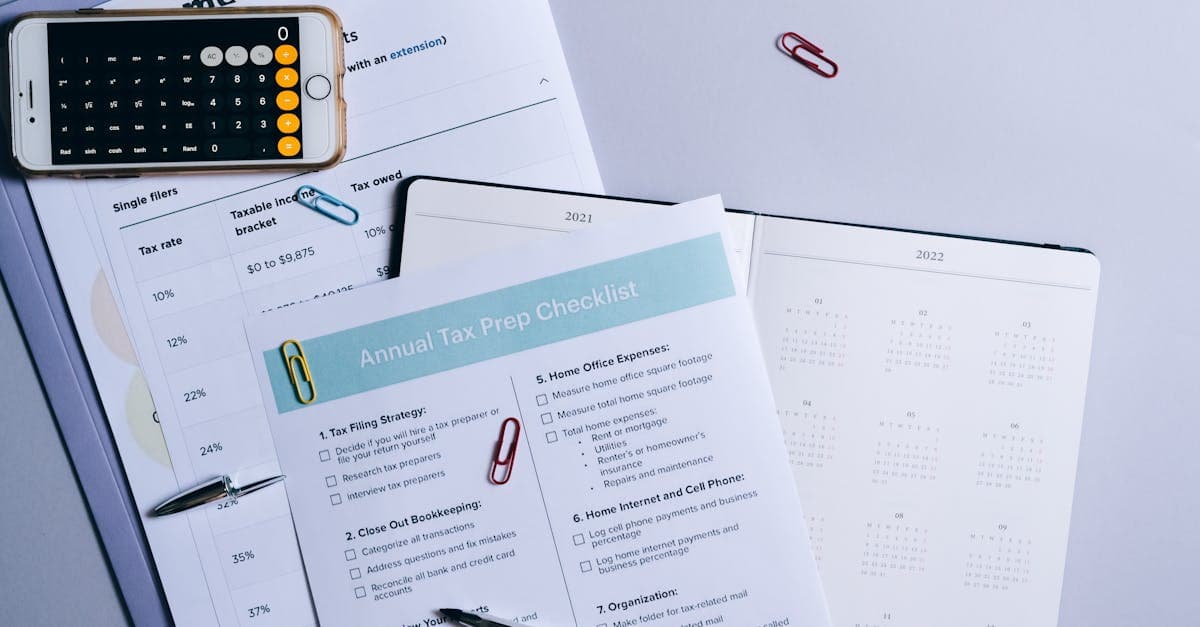
Think of your Florida accident recovery as a checklist: see a doctor within fourteen days, document everything, file a police report, contact your insurer, and manage your claim strategically. Each item on the checklist has a purpose, and completing them all gives you the strongest possible position for recovery.
Continue reading

How to Use an Insurance Quote Comparison Spreadsheet Effectively
A simple spreadsheet that lines up coverage elements side by side transforms confusing quotes into clear comparisons. Setting up this tool correctly makes your decision data-driven rather than gut-driven.
Policy Checkup for Auto Insurance: Are You Still Getting the Best Deal?
Auto insurance checkups should review liability limits, collision and comprehensive deductibles, uninsured motorist coverage, and available discounts. Driving changes and vehicle changes affect your needs.
When Assignment of Benefits Hurts Policyholders: Warning Signs
AOB can go wrong when contractors inflate bills, file lawsuits without your knowledge, or perform shoddy work you cannot control. Recognizing warning signs protects you from AOB abuse.