The Maintenance Exclusion: Why Your Roof Leak Might Not Be Covered

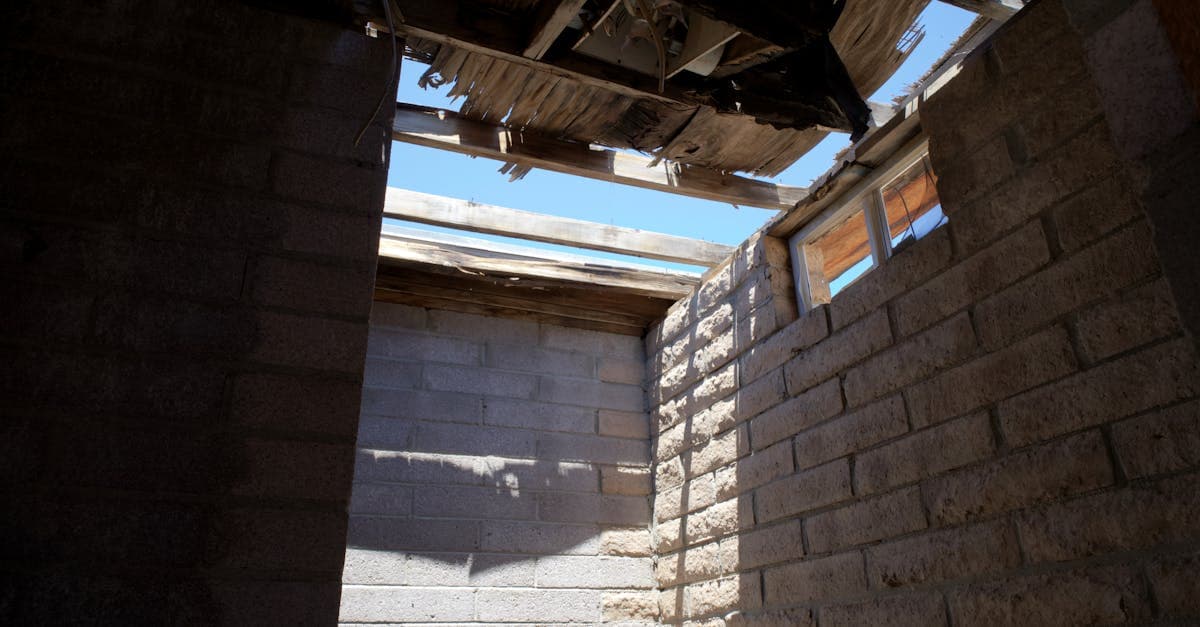
The most expensive myth in roof leak coverage is that if water comes through your roof, your homeowners insurance will automatically pay to fix it. This assumption has cost homeowners thousands of dollars in denied claims and insufficient settlements. Your homeowners policy is the structural blueprint that ensures every layer of roof protection is engineered to withstand the forces of weather and time, but it draws strict lines around which roof leaks qualify for coverage and which do not.
Myth one: all roof leaks are covered by homeowners insurance. They are not. Only leaks caused by sudden, accidental damage from covered perils like wind, hail, fire, and fallen trees trigger coverage. Leaks from aging, wear, deterioration, or neglected maintenance are excluded. Myth two: if a storm causes a leak, the entire roof repair is covered. Not necessarily. If your roof was already compromised by age or poor maintenance, the insurer may cover only the storm-specific damage and exclude the pre-existing condition.
Myth three: your insurer will always pay to replace the entire roof. Most covered roof leaks result in partial repair, not full replacement. Full replacement is covered only when damage is extensive enough to make repair impractical or when matching requirements make partial repair impossible. Myth four: your roof's age does not matter for coverage. Roof age is one of the most significant factors in claim outcomes, affecting both the amount your insurer pays and whether your claim is approved at all.
Myth five: filing a roof leak claim has no consequences. Every claim is recorded in your claims history and can affect your premium at renewal. Small claims that barely exceed your deductible may cost you more in premium increases than the claim itself is worth.
Separating these myths from reality gives you the knowledge to make informed decisions about roof maintenance, policy endorsements, and the strategic filing of claims when a covered event damages your roof.
Understanding Roof Leak Deductibles: Standard vs Percentage-Based
Here is what you actually need to do. Your deductible determines out-of-pocket costs before insurance pays on a roof leak claim. In many states, roof claims carry deductibles significantly higher than standard, making this essential knowledge.
Standard flat deductibles: Most homeowners policies include a flat deductible — typically $1,000 to $2,500 — that applies to all claims including roof leaks. An $8,000 repair with a $1,500 deductible means your insurer pays $6,500. This straightforward calculation makes claim filing decisions relatively simple.
Percentage-based wind and hail deductibles: In hurricane-prone and hail-prone states, policies increasingly use percentage-based deductibles for wind and hail damage. These are calculated as a percentage of your dwelling coverage limit. A two percent wind deductible on a $400,000 home means your out-of-pocket cost is $8,000 before any insurance payment begins.
The filing decision: Percentage-based deductibles fundamentally change the math on whether to file a roof leak claim. A $10,000 repair with an $8,000 deductible produces only $2,000 in insurance payment while adding a claim to your history that could increase premiums. In many cases, handling moderate repairs independently is the wiser financial decision.
State-specific rules: Wind and hail deductible percentages vary by state, with coastal and tornado-prone states having the highest. Florida, Texas, Louisiana, and Oklahoma homeowners routinely face two to five percent deductibles that can make the first $10,000 to $20,000 of roof damage a personal expense rather than an insurance claim.
Choosing strategically: When purchasing or renewing your policy, evaluate deductible options in the context of your roof's age, your location's weather risk, and your ability to cover out-of-pocket costs. A higher deductible lowers your premium but increases your financial exposure when a covered roof leak occurs.
Appealing a Denied or Underpaid Roof Leak Claim
The fix is straightforward. A denial or low settlement is not the final word. Homeowners who understand the appeal process recover significantly more than those who accept without challenge. Persistence produces better outcomes.
Request the denial in writing: If your claim is denied verbally, request a written explanation citing the specific policy language the insurer relied on. This written denial gives you the exact basis you need to mount an effective appeal. You have the right to a clear, specific explanation under state insurance regulations.
Get an independent inspection: Hire a licensed roofing contractor or structural engineer to inspect the damage independently. Their professional report may contradict the insurer's adjuster findings, particularly regarding the cause of the leak and the full extent of the damage. Independent expert opinions carry significant weight in appeals and negotiations.
File a formal appeal: Submit a written appeal to your insurer's claims department addressing each point in the denial letter. Include your independent inspection report, photographs, maintenance records, weather data from the storm date, and any other evidence supporting your position. Keep copies of everything.
Contact your state insurance department: If your appeal is denied, file a complaint with your state's department of insurance. State regulators can review your claim, investigate the insurer's handling, and intervene when claims are improperly denied. The threat of regulatory review often motivates insurers to reconsider.
Consider legal options: For significant claims, consulting an insurance attorney who handles coverage disputes can be worthwhile. Many work on contingency, collecting fees only if they recover money for you. Attorney involvement signals to the insurer that you are committed to challenging their decision through all available channels.
How Your Roof's Age Affects Insurance Coverage for Leaks
Here is what you actually need to do. Your roof's age is one of the most significant factors determining how much your insurer pays for a covered leak. The older the roof, the less you can expect, and some insurers limit or exclude coverage for roofs beyond a certain age.
Replacement cost for newer roofs: Roofs less than ten years old typically receive replacement cost coverage — the full cost of repairing or replacing damaged materials without any depreciation deduction. This is the most favorable coverage position for homeowners filing a roof leak claim.
Depreciation for older roofs: Roofs between ten and twenty years old face actual cash value calculations that deduct depreciation based on remaining useful life. A fifteen-year-old asphalt shingle roof with an expected twenty-five-year lifespan might receive only forty percent of replacement cost, leaving you responsible for the substantial remainder.
Coverage restrictions for aging roofs: Some insurers refuse to write or renew policies on homes with roofs older than twenty or twenty-five years unless the roof passes a professional inspection. Others automatically downgrade roof coverage to actual cash value when the roof reaches a specified age threshold.
The inspection trigger: Insurers may require roof inspections for roofs older than fifteen years when you apply for new coverage or renew. Failing this inspection can result in coverage denial, mandatory replacement requirements, or reduced terms.
Strategic replacement timing: Understanding your insurer's age-based coverage tiers helps you time replacement strategically. Replacing before crossing the depreciation threshold ensures full replacement cost coverage for the new roof and may also reduce your premium.
Your Duty to Mitigate: Temporary Repairs After a Roof Leak
The fix is straightforward. Your homeowners policy requires reasonable steps to prevent further damage after discovering a leak. Failing this duty can reduce or void coverage for additional damage that timely response would have prevented.
What the duty requires: After discovering a roof leak, you must take reasonable temporary measures to stop ongoing water entry. This typically means tarping the damaged roof area, placing containers under active leaks, moving furniture and belongings away from water, extracting standing water, and running dehumidifiers to reduce moisture levels that promote mold growth.
What the duty does not require: Your duty to mitigate does not require you to make permanent repairs or place yourself in danger. You are not expected to climb onto a storm-damaged roof during active weather conditions. You are not required to hire contractors for permanent repairs before your insurer inspects the damage. Reasonable temporary measures performed safely are all that is expected.
Reimbursement for temporary repairs: The cost of temporary repairs is typically covered by your homeowners insurance as part of the claim. Emergency tarping, board-up services, water extraction, and temporary containment measures are reimbursable expenses. Keep all receipts and photograph the temporary repairs to support your reimbursement request.
Timing expectations: Insurers expect temporary measures within hours to days of discovering the leak, not weeks. A homeowner who discovers a roof leak on Monday and does nothing until the following week has potentially violated their duty to mitigate, giving the insurer grounds to exclude all additional damage that occurred during the delay.
Professional emergency services: When the damage is too severe or dangerous for you to address personally, calling a professional emergency board-up or water mitigation service fulfills your duty. These services respond quickly, document their work professionally, and produce records that strengthen your claim.
Interior Water Damage From Roof Leaks: What Your Policy Pays
The fix is straightforward. When a covered roof leak allows water inside, multiple coverage sections activate. Understanding each helps you document thoroughly and maximize recovery.
Dwelling coverage for structural damage: Water from a roof leak that damages ceilings, walls, flooring, insulation, and drywall is covered under your dwelling section. This includes the cost of tearing out water-damaged materials, professional drying, and rebuilding or replacing all damaged structural elements to pre-loss condition.
Personal property coverage: Belongings damaged by water from a covered roof leak — furniture, electronics, clothing, books, and other items — are covered under your personal property section. Replacement cost pays for new equivalents while actual cash value deducts depreciation from the payout amount.
Mold remediation costs: Mold developing from a covered roof leak is generally covered, but most policies cap mold remediation at $5,000 to $25,000. Prompt water extraction and thorough drying within the first 48 hours dramatically reduce mold risk and strengthen your coverage position.
Loss of use coverage: If interior water damage makes your home uninhabitable — saturated flooring, collapsed ceiling sections, or extensive mold — loss of use coverage pays for temporary housing, restaurant meals, and other additional living expenses until repairs are completed.
Documentation requirements: Photograph all interior damage before cleanup begins. Create a detailed inventory of damaged personal property with descriptions, approximate values, and purchase dates. Keep all receipts for temporary repairs, water extraction services, and replacement purchases.
Mold Growth From Roof Leaks: Insurance Coverage and Limitations
Here is what you actually need to do. When a roof leak introduces moisture into walls, ceilings, and attic spaces, mold can begin within 24 to 48 hours. Mold remediation costs thousands, and your coverage has specific limits every homeowner should understand.
When mold is covered: Mold that develops as a direct result of a covered roof leak is generally covered under your homeowners policy. If a storm damages your roof, water enters and saturates interior materials, and mold grows in the affected areas, the mold remediation is part of the covered claim because it traces directly to a covered water event.
Mold coverage caps: Even when mold is covered, most policies impose caps on mold remediation expenses. Common caps range from $5,000 to $25,000, which can be insufficient for extensive contamination that has spread through wall cavities and attic spaces. Reviewing your policy's mold limit and considering an endorsement that raises the cap provides better protection.
When mold is excluded: Mold that develops from a slow, undetected roof leak over months or years is typically excluded because the underlying leak is classified as gradual damage rather than a covered peril. If the insurer determines the leak should have been discovered and addressed sooner, the resulting mold may be denied as preventable.
The timing factor: Prompt action after a covered roof leak dramatically reduces mold risk and strengthens your coverage position. Extracting water, running dehumidifiers, and removing saturated materials within the first 48 hours prevents most mold growth and demonstrates you fulfilled your duty to mitigate further damage.
Professional remediation requirements: Insurance-covered mold remediation typically requires professional remediation companies that follow industry protocols for containment and removal. DIY mold cleanup may not be accepted by your insurer, can spread contamination to unaffected areas, and may not produce the documentation needed to support reimbursement.
How Roof Leak Claims Affect Your Insurance Premium
The fix is straightforward. Filing a roof leak claim has lasting consequences beyond the claim itself. Understanding premium impacts, claims history, and insurability helps you decide when to file and when to pay independently.
Premium increases after claims: Most insurers increase premiums after a roof leak claim, with the typical increase ranging from five to twenty-five percent at your next renewal. The exact increase depends on the claim amount, your overall claims history, your insurer's specific surcharge schedule, and your state's regulations regarding post-claim premium adjustments.
The CLUE report impact: Every homeowners insurance claim is recorded in the Comprehensive Loss Underwriting Exchange database for seven years. Future insurers access this record when you apply for new coverage. Multiple claims in a short period make you a higher-risk policyholder, potentially limiting your options and increasing premiums across all carriers.
Break-even analysis: Before filing a roof leak claim, calculate whether the insurance payout minus your deductible exceeds the expected premium increase over the next three to five years. A $3,000 claim with a $1,500 deductible produces only $1,500 in insurance payment. If your premium increases by $300 per year for five years, the net cost of filing exceeds the benefit received.
Non-renewal risk: Multiple roof leak claims within a single policy period can trigger non-renewal — your insurer's decision not to renew your policy at the end of its term. Non-renewal forces you to find new coverage, often at a higher premium from a less competitive carrier, and the claims history follows you.
Strategic filing decisions: Reserve insurance claims for significant damage that substantially exceeds your deductible. Handle minor roof repairs out of pocket to keep your claims history clean. Maintain your roof to prevent claims rather than relying on insurance to cover preventable damage. This strategic approach keeps your premiums stable and your coverage options open.
The Bottom Line on Roof Leak Insurance Coverage
Think of your roof as the structural blueprint that ensures every layer of roof protection is engineered to withstand the forces of weather and time — the first barrier between your home and the elements. When that barrier is breached by a covered peril, your insurance steps in to repair the breach and address the resulting damage inside your home. But when the barrier weakens gradually from age and wear, the responsibility for maintaining it falls on you.
The gray area between these two scenarios — the hairline crack in the coverage foundation that widens into a devastating gap when water starts pouring through the roof — is where most roof leak disputes live. A storm hits a roof that was already aging. Wind lifts shingles that were already weakening. Hail cracks a surface that was already showing wear. In these overlapping cases, preparation and documentation are what separate the homeowner who receives a fair claim settlement from the one who receives a denial letter.
Understanding your roof coverage comes down to four key principles. First, sudden damage from covered perils is covered while gradual deterioration is not. Second, your roof's age affects your payout through depreciation and coverage type changes. Third, your deductible determines whether filing a claim makes financial sense. Fourth, documentation of your roof's condition is the most powerful tool in your claims arsenal.
Master these principles, maintain your roof diligently, document its condition regularly, and understand your specific policy terms. When you do these things, you transform roof leak insurance from a source of confusion and frustration into a reliable financial safety net that performs exactly as you expect it to when water starts coming through your ceiling.
Continue reading

How to Use an Insurance Quote Comparison Spreadsheet Effectively
A simple spreadsheet that lines up coverage elements side by side transforms confusing quotes into clear comparisons. Setting up this tool correctly makes your decision data-driven rather than gut-driven.

Policy Checkup for Auto Insurance: Are You Still Getting the Best Deal?
Auto insurance checkups should review liability limits, collision and comprehensive deductibles, uninsured motorist coverage, and available discounts. Driving changes and vehicle changes affect your needs.

When Assignment of Benefits Hurts Policyholders: Warning Signs
AOB can go wrong when contractors inflate bills, file lawsuits without your knowledge, or perform shoddy work you cannot control. Recognizing warning signs protects you from AOB abuse.