Toilet Overflow Water Damage: What Your Policy Covers

The most dangerous myth in homeowners insurance is that your policy covers all water damage. It does not — and the list of excluded water damage scenarios is longer than most homeowners realize. Your homeowners policy is the waterproof foundation beneath your financial security, built layer by layer to keep water damage claims from eroding the structure of your home investment, but it draws very specific lines around which water damage events trigger coverage and which leave you paying out of pocket.
Myth one: all water damage is covered by homeowners insurance. Only sudden, accidental water damage from covered sources is covered. Gradual leaks, floods, groundwater seepage, and sewer backups are all excluded from standard policies. Myth two: if a pipe leaks behind a wall, insurance will cover the damage. Only if the leak was sudden. If your insurer determines the pipe has been leaking slowly for weeks or months, the claim is denied under the gradual damage exclusion.
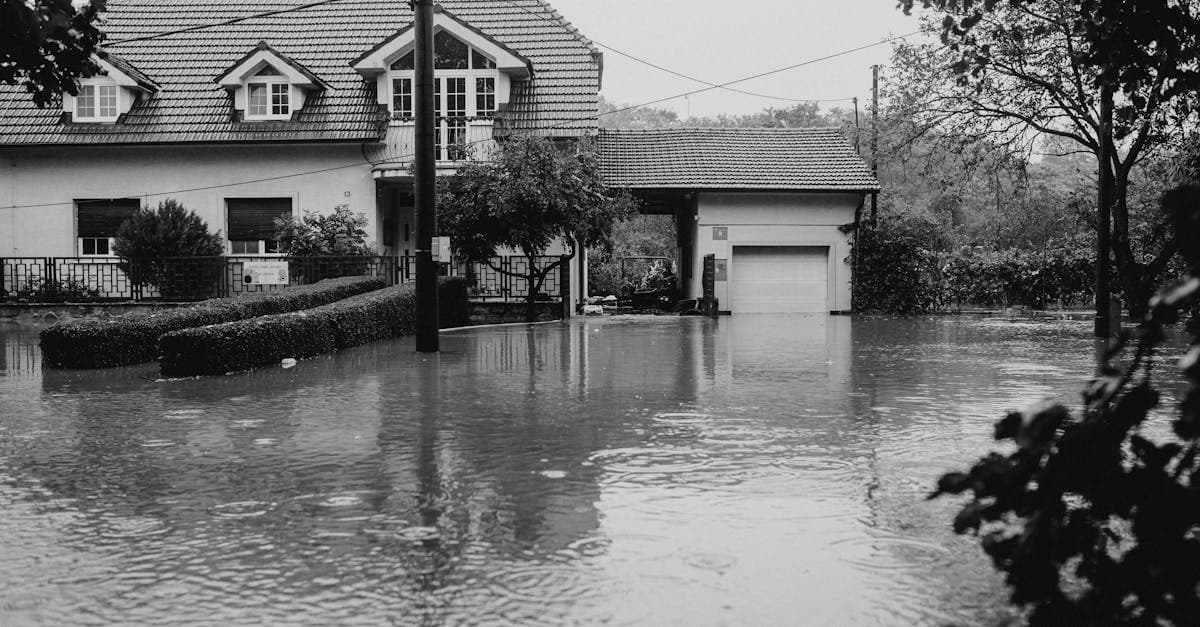
Myth three: heavy rain that floods your basement is covered. Standard homeowners insurance does not cover flood damage from any source, including heavy rainfall that accumulates on the surface and enters your home. You need a separate flood insurance policy for this protection. Myth four: your insurance covers mold from water damage. Mold coverage is severely limited under most homeowners policies and often capped at five to ten thousand dollars, even when the mold results from a covered water event.
Myth five: if your sewer backs up into your home, your homeowners policy pays for the cleanup. Standard policies exclude sewer backup damage entirely. You need a specific sewer backup endorsement — typically costing thirty to seventy-five dollars per year — to close this gap.
Separating these myths from reality is essential for every homeowner. Water damage is too common and too expensive to leave your coverage assumptions untested. This guide walks through every covered and excluded water damage scenario so you can protect your home with knowledge rather than hope.
Mold From Water Damage: Limited Coverage With Significant Caps
Here is what you actually need to do. Mold coverage under homeowners insurance is one of the most restricted areas of the policy, representing the crack in the basement wall that widens with every rainfall until water pours through and reveals the structural weakness in your insurance coverage. When covered water damage leads to mold growth, your policy may cover remediation — but only up to specific and often inadequate limits.
When mold is covered: Mold resulting from a covered water damage event is covered under most policies. If a burst pipe causes mold during drying, remediation is part of the covered claim. The mold must trace back to a covered water event.
Coverage caps: Most policies cap mold at five to ten thousand dollars. Professional remediation can cost fifteen to thirty thousand, meaning caps may cover only a fraction. Some states require higher limits, but caps remain modest.
When mold is excluded: Mold from excluded water damage — flooding, gradual leaks, sewer backups without endorsement — is excluded alongside the water damage. Mold from humidity or poor ventilation is excluded as maintenance.
The timing factor: Prompt response reduces mold risk. Restoration companies begin drying within hours to prevent growth. Delayed cleanup may reduce the mold portion of your claim.
Mold endorsements: Some insurers offer endorsements increasing limits to twenty-five or fifty thousand dollars. For humid climates or moisture-prone homes, these provide meaningful protection beyond standard caps.
Water Damage Restoration: What Your Insurance Pays For
The fix is straightforward. Professional water damage restoration is a covered expense when the underlying water damage is covered by your homeowners policy. Understanding the restoration process helps you work effectively with both the restoration company and your insurer to ensure complete and properly funded recovery.
Emergency water extraction: Restoration companies use truck-mounted extraction units, submersible pumps, and industrial wet vacuums to remove standing water rapidly. This emergency service is covered as a mitigation expense and should begin as soon as possible after discovery to limit total damage.
Structural drying: Industrial air movers, dehumidifiers, and moisture monitoring equipment dry the structure over three to five days depending on saturation levels. Companies monitor moisture readings throughout the process to ensure all materials reach acceptable dryness before rebuild begins.
Antimicrobial treatment: Water-damaged areas receive antimicrobial treatment to prevent mold and bacterial growth. Treatment is applied to exposed framing, subfloor materials, and porous surfaces that absorbed water. These costs are covered as part of the overall restoration process.
Content restoration: Restoration companies can often salvage water-damaged belongings through specialized cleaning, drying, and deodorizing processes. Electronics, documents, photographs, and soft goods may be restorable rather than replaceable, reducing costs for both you and your insurer.
Rebuild and restoration: After drying is complete, damaged drywall, insulation, flooring, and trim are replaced by a restoration company or separate contractor. All rebuild costs for covered water damage events are paid under your dwelling coverage up to your policy limit.
Burst Pipe Coverage: What Your Homeowners Policy Pays
The fix is straightforward. Burst pipes are one of the most common and most straightforward covered water damage events under homeowners insurance. When a pipe fails suddenly and water floods your home, your policy responds with coverage for the resulting damage — though the pipe itself may not be covered.
What is covered: Your homeowners insurance covers the water damage caused by the burst pipe — damaged walls, ceilings, flooring, drywall, personal property, and professional restoration including extraction, drying, and mold prevention. Loss of use coverage pays for temporary housing if needed.
The pipe itself: Most policies cover tear-out costs to access and repair the pipe — removing sections of wall, floor, or ceiling. However, the pipe repair itself may be excluded as maintenance. Some policies cover it while others only cover resulting water damage plus access costs. Check your policy language carefully.
Frozen pipe coverage: Pipes that burst from freezing are covered with a condition — you must have maintained adequate heat or taken reasonable steps to protect plumbing. Shutting off heat during winter vacation may result in denial for failure to maintain the property.
Documentation essentials: Photograph the burst pipe and all damage immediately. Document when you discovered the leak, when you shut off water, and when you contacted a plumber. Keep all repair receipts, restoration invoices, and communications with your insurer.
Prevention saves claims: Replace aging supply lines before they fail. Inspect visible pipes for corrosion or mineral buildup. Install leak detection sensors near vulnerable pipes. A prevented burst pipe is always better than a covered claim.
Mold From Water Damage: Limited Coverage With Significant Caps
Here is what you actually need to do. Mold coverage under homeowners insurance is one of the most restricted areas of the policy, representing the crack in the basement wall that widens with every rainfall until water pours through and reveals the structural weakness in your insurance coverage. When covered water damage leads to mold growth, your policy may cover remediation — but only up to specific and often inadequate limits.
When mold is covered: Mold resulting from a covered water damage event is covered under most policies. If a burst pipe causes mold during drying, remediation is part of the covered claim. The mold must trace back to a covered water event.
Coverage caps: Most policies cap mold at five to ten thousand dollars. Professional remediation can cost fifteen to thirty thousand, meaning caps may cover only a fraction. Some states require higher limits, but caps remain modest.
When mold is excluded: Mold from excluded water damage — flooding, gradual leaks, sewer backups without endorsement — is excluded alongside the water damage. Mold from humidity or poor ventilation is excluded as maintenance.
The timing factor: Prompt response reduces mold risk. Restoration companies begin drying within hours to prevent growth. Delayed cleanup may reduce the mold portion of your claim.
Mold endorsements: Some insurers offer endorsements increasing limits to twenty-five or fifty thousand dollars. For humid climates or moisture-prone homes, these provide meaningful protection beyond standard caps.
Appliance Overflow and Failure: Covered Water Damage in Your Home
The fix is straightforward. When household appliances fail and release water into your home, your homeowners insurance covers the resulting damage as accidental water discharge — one of the sixteen named perils protecting your personal property and a covered event under your dwelling's open perils coverage.
Washing machine failures: Burst supply hoses and overflowing drums are among the most common claims filed by homeowners. Standard rubber hoses last three to five years, and a failure sends water flowing continuously until discovered. Average claims reach eight to twelve thousand dollars in total damage.
Dishwasher leaks: Sudden supply line failures, drain hose disconnections, and door seal failures are all covered events. Water often damages cabinetry, flooring, and subfloor materials beneath the dishwasher, potentially reaching lower levels in multi-story homes.
Water heater ruptures: A catastrophic water heater failure flooding the surrounding area is covered. These units hold forty to eighty gallons, causing extensive damage to floors, walls, and stored items. The water damage claim is paid, though the heater replacement itself may be excluded as mechanical breakdown.
Refrigerator ice maker lines: The small plastic or copper supply line feeding your ice maker is a leading cause of kitchen water damage. Sudden failures are covered, but slow drips that persist for days or weeks are excluded as gradual damage.
Your duty after discovery: Shut off the water supply immediately, move undamaged items away from standing water, and begin removal with towels or a wet vacuum. Failure to mitigate promptly can reduce your claim payment significantly.
Storm Surge vs Wind-Driven Rain: The Hurricane Coverage Split
Here is what you actually need to do. During hurricanes and severe storms, water damage comes from two distinct sources that your insurance treats very differently. Understanding this split is essential for coastal and storm-prone homeowners, because your homeowners policy is the waterproof foundation beneath your financial security, built layer by layer to keep water damage claims from eroding the structure of your home investment for one type while excluding the other entirely.
Wind-driven rain is covered: When storm winds damage your roof or windows and rain enters through those openings, the water damage is covered. The wind created the opening, making rain entry a consequence of a covered peril.
Storm surge is excluded: Ocean water pushed by hurricane winds that floods coastal homes is excluded as flood damage. Storm surge can cause catastrophic damage costing hundreds of thousands — none covered by standard homeowners insurance.
The dual-damage problem: A single hurricane produces both covered wind-driven rain damage upstairs and excluded storm surge flooding downstairs. Your insurer pays for one and denies the other, creating complex claims and frequent disputes.
Documentation during storms: If safe, photograph damage as it occurs. Document when wind damage happened, when flooding began, and which areas each source affected. This helps adjusters separate covered from excluded damage.
The flood insurance solution: Coastal homeowners need separate flood insurance to cover storm surge. Without it, ground-floor hurricane flooding comes entirely out of your pocket.
Water Damage in Condos: Navigating Shared Responsibility
The fix is straightforward. Condo water damage claims are uniquely complex because they involve two separate insurance policies — your personal condo policy and the condo association's master policy. Understanding where one policy's responsibility ends and the other begins prevents coverage gaps and payment delays.
The master policy's role: The association's master policy covers the building structure, common areas, and shared plumbing systems that serve multiple units. When a pipe in a common wall bursts, the master policy covers structural repair while your personal policy covers damage to your personal property and interior improvements.
Your condo policy's role: Your HO-6 condo policy covers personal property, improvements you made to your unit such as upgraded countertops and flooring, personal liability, and loss of use. It responds to water damage inside your unit regardless of whether water originated from your unit, a neighbor's unit, or the building's shared systems.
Upstairs neighbor scenarios: When a neighbor's burst pipe or overflowing appliance sends water into your unit, your own condo policy pays for your damage first. Your insurer then pursues subrogation against the neighbor's insurance to recover payments. File with your own insurer immediately rather than waiting for your neighbor's policy to respond.
Loss assessment coverage: If the master policy is insufficient to cover building water damage, the association may assess unit owners for the shortfall. Loss assessment coverage on your condo policy pays your share of these assessments, protecting against unexpected financial obligations after a major building event.
Communication is critical: After a condo water damage event, notify both your personal insurer and the condo association immediately. Coordinate between the two claims to ensure no gap exists between the master policy's structural coverage and your personal policy's interior and personal property coverage.
The Bottom Line on Water Damage Coverage
Think of your water damage coverage as the waterproof foundation beneath your financial security, built layer by layer to keep water damage claims from eroding the structure of your home investment. It catches sudden, accidental water from burst pipes, appliance failures, and storm-damaged roofs. But it has specific holes for flood water, sewer backup water, gradual leak water, and groundwater seepage.
Each hole can be patched. Flood insurance covers the flood water hole. A sewer backup endorsement patches the sewer water hole. Maintenance and early detection address the gradual leak hole. Foundation drainage helps with the groundwater hole. The homeowner who patches every hole has genuine comprehensive water damage protection.
The threat is the crack in the basement wall that widens with every rainfall until water pours through and reveals the structural weakness in your insurance coverage. Homeowners who do not patch these holes discover them during the worst possible moment — when water is already in their home and the damage is already done. A denied claim for excluded water damage is not just a financial setback. It is the realization that the protection you thought you had never existed for that specific type of water.
The bottom line is straightforward. Your standard homeowners policy covers sudden water damage from internal sources. Everything else requires additional coverage, additional endorsements, or additional maintenance. Understand the boundaries of your standard coverage. Add the endorsements that close the most dangerous gaps. Purchase flood insurance if your location warrants it. And maintain your home's plumbing, roof, and drainage systems as if your financial security depends on it — because when water damage strikes from an excluded source, it does.
Continue reading

How to Use an Insurance Quote Comparison Spreadsheet Effectively
A simple spreadsheet that lines up coverage elements side by side transforms confusing quotes into clear comparisons. Setting up this tool correctly makes your decision data-driven rather than gut-driven.

Policy Checkup for Auto Insurance: Are You Still Getting the Best Deal?
Auto insurance checkups should review liability limits, collision and comprehensive deductibles, uninsured motorist coverage, and available discounts. Driving changes and vehicle changes affect your needs.

When Assignment of Benefits Hurts Policyholders: Warning Signs
AOB can go wrong when contractors inflate bills, file lawsuits without your knowledge, or perform shoddy work you cannot control. Recognizing warning signs protects you from AOB abuse.