Ground-Floor Renters: Why Your Flood Risk Is Higher Than You Think

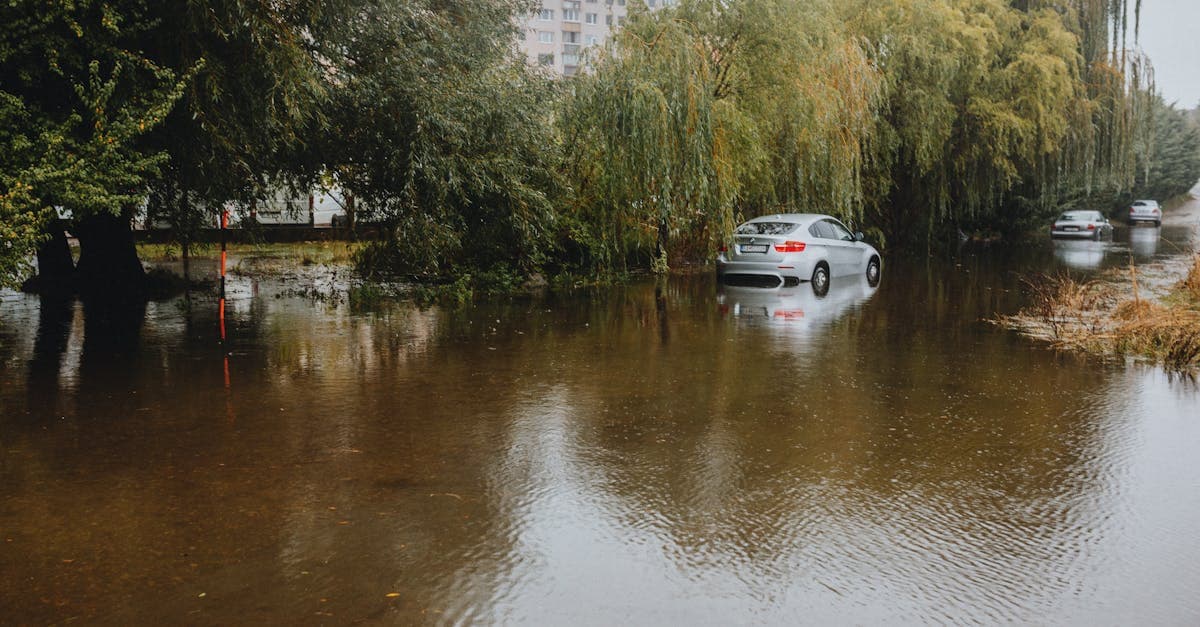
Dangerous myths about renters and flood insurance prevent millions of tenants from protecting their belongings against one of the most destructive perils they face. Let us correct the most harmful misconceptions right now.
Myth one: renters cannot buy flood insurance. Completely false. The NFIP offers contents-only flood policies specifically designed for renters, and private flood insurers offer similar products. Any renter in any flood zone can purchase flood coverage for their personal belongings.
Myth two: renters insurance covers flood damage. It never does. Every standard renters insurance policy contains a clear flood exclusion. Rising water, storm surge, and surface runoff damage to your belongings is not covered — period.
Myth three: the landlord's insurance covers the tenant's belongings. It does not. A landlord's flood insurance — if they even carry it — covers only the building structure and the landlord's property. Your furniture, electronics, and personal items are your responsibility.
Myth four: flood insurance is too expensive for renters. Contents-only policies are among the most affordable insurance products available. Renters in low-risk zones may pay under $100 per year. Even high-risk zone premiums for contents-only coverage are a fraction of what building-plus-contents policies cost.
Flood insurance for renters is the protective wall renters build around their personal property when the landlord's insurance covers only the building structure. These myths leave millions of tenants unnecessarily exposed to flood damage that could be covered by an affordable policy most renters simply do not know about.
Filing a Renters Flood Insurance Claim: What to Expect
Here is what you actually need to do. Knowing how the flood insurance claims process works before a flood occurs helps renters respond effectively, document damage properly, and receive fair claim payments for their damaged belongings.
Immediate steps after flooding: As soon as it is safe, photograph and video all flood damage to your belongings before moving or discarding anything. Document the water line height on walls to show how deep the flooding was. Create a list of every damaged item including its description, age, and estimated value.
Contacting your insurer: Report your flood loss to your insurance company as soon as possible. For NFIP policies, call the insurer that issued your policy — not FEMA directly. For private flood policies, contact the issuing company. Early reporting starts the claims process and gets an adjuster assigned quickly.
The adjuster inspection: Your insurer will assign an adjuster to inspect the flood damage. The adjuster will review your damaged belongings, verify that the damage was caused by flooding as defined in your policy, and prepare a damage estimate. Be present during the inspection and point out all damaged items.
Proof of ownership and value: Having receipts, photos, or other documentation of your belongings before the flood strengthens your claim. Pre-flood inventories, purchase receipts, and photographs of your furnished rental unit provide evidence that supports full claim payment.
Claim payment calculation: NFIP contents claims are paid at actual cash value — the replacement cost minus depreciation. Private policies with replacement cost coverage pay the full replacement cost without depreciation. Your deductible is subtracted from the claim payment.
Dispute resolution: If you disagree with your claim payment amount, you have the right to request a review or file an appeal. NFIP policies have a specific appeals process through FEMA. Private flood policies are subject to state insurance department complaint processes. Document your disagreement in writing with supporting evidence.
Federal Disaster Assistance vs Flood Insurance for Renters
The fix is straightforward. Many renters assume that federal disaster assistance will cover their flood losses. Understanding the reality of disaster assistance reveals why flood insurance is the far superior protection for personal property.
When disaster assistance is available: Federal disaster assistance is only available when the president declares a major disaster for your area. Not every flood event triggers a declaration. Localized flooding that damages your belongings but does not affect a wide area may not qualify for any federal assistance.
What disaster assistance provides renters: For renters, FEMA Individual Assistance may provide temporary rental assistance, essential personal property replacement, and some moving and storage costs. The average FEMA individual assistance payment is approximately $5,000 — a fraction of what most renters lose in a significant flood.
The loan reality: The primary form of federal disaster assistance for property losses is a low-interest loan from the Small Business Administration. These loans must be repaid. A renter who receives a $10,000 SBA disaster loan is adding debt — not receiving a grant — to replace flood-damaged belongings.
Timing and bureaucracy: Disaster assistance applications take weeks to months to process. Inspections, paperwork, and appeals create delays that leave renters waiting for help while they need immediate replacement of essentials like bedding, clothing, and kitchen items.
Flood insurance advantages: Flood insurance provides direct claim payments based on your documented losses. Claims are typically processed faster than disaster assistance applications. Payments are not loans — they do not need to be repaid. And insurance is available after any covered flood event, not just presidentially declared disasters.
The comparison is clear: A contents-only flood policy costing a few hundred dollars per year provides up to $100,000 in coverage, responds to any covered flood event, and pays claims without creating debt. Federal disaster assistance averages $5,000, is only available after presidential declarations, takes months to arrive, and often comes as a loan. Flood insurance is not just better — it is fundamentally different and more reliable protection.
Ground-Floor and Basement Renters: Understanding Your Elevated Risk
The fix is straightforward. Renters in ground-floor apartments and basement-level units face the highest flood exposure among all tenants. Understanding this elevated risk helps lower-level renters make informed decisions about flood protection.
Why ground-floor units flood first: When rising water reaches a building, ground-floor units are the first affected. Water enters through doors, window wells, and foundation-level openings. Even a few inches of exterior flooding can translate into significant water intrusion at ground level, damaging everything from floor to several feet up the walls.
Basement apartment vulnerabilities: Basement and below-grade apartments face an even higher risk profile. These units are vulnerable to rising groundwater, surface water flowing into window wells and stairwells, and sewer backup through floor drains. The below-grade elevation means water naturally flows toward these spaces during heavy rainfall events.
The cost of ground-level flood damage: When floodwater enters a ground-floor apartment, it damages everything at floor level — area rugs, furniture legs, electronics on low tables, stored items, shoes, and anything in floor-level cabinets. Three inches of water in a fully furnished ground-floor apartment easily creates $10,000 to $25,000 in personal property damage.
NFIP coverage considerations for below-grade: NFIP flood insurance has specific limitations for below-grade spaces. Coverage for personal property in basements is more restricted than for above-grade spaces. Certain items like furniture and electronics stored in basements may have limited or no coverage under NFIP policies.
Private coverage advantages for lower units: Some private flood insurers offer broader coverage for below-grade personal property than the NFIP. If you rent a basement apartment, a private flood policy with fewer below-grade restrictions may provide significantly better protection for your belongings.
Risk reduction for ground-floor renters: Beyond insurance, ground-floor renters can reduce flood exposure by elevating electronics and valuable items off the floor, keeping important documents in waterproof containers, knowing the building's sump pump and drainage systems, and having an evacuation plan for severe weather events.
Reducing Your Flood Risk as a Renter
Here is what you actually need to do. While flood insurance provides financial protection, renters can also take practical steps to reduce their flood exposure and minimize damage when flooding occurs. The best strategy combines insurance with prevention.
Evaluate flood risk before signing a lease: Research the flood zone of any potential rental property. Ask the landlord about flood history. Check local flood event records. Choosing a rental with lower flood exposure reduces your risk before you move in.
Elevate valuable items: Keep electronics, important documents, and valuable belongings off the floor. Use shelving, raised furniture, and elevated storage to protect items from the first inches of floodwater. Elevation costs nothing and can save thousands in damage.
Know your building's flood defenses: Ask your landlord about sump pumps, backflow prevention valves, and drainage systems. Understanding whether these systems exist and are maintained helps you assess your building's flood resilience. If they do not exist, your flood risk may be higher than the building's appearance suggests.
Prepare an emergency plan: Know your evacuation routes. Keep important documents in waterproof containers or digitally backed up. Have an emergency kit ready. Know where to shut off electricity in your unit. Preparation reduces both physical risk and the chaos of responding to a flood event.
Use waterproof storage containers: Store out-of-season clothing, documents, photographs, and sentimental items in waterproof bins rather than cardboard boxes. This simple step protects items that flood insurance may reimburse at depreciated value but that have irreplaceable personal significance.
Communicate with your landlord: Report drainage problems, standing water, and moisture issues to your landlord promptly. Document these communications in writing. Landlords have a responsibility to maintain the property, and early reporting can prevent small drainage issues from becoming flood events.
Ground-Floor and Basement Renters: Understanding Your Elevated Risk
The fix is straightforward. Renters in ground-floor apartments and basement-level units face the highest flood exposure among all tenants. Understanding this elevated risk helps lower-level renters make informed decisions about flood protection.
Why ground-floor units flood first: When rising water reaches a building, ground-floor units are the first affected. Water enters through doors, window wells, and foundation-level openings. Even a few inches of exterior flooding can translate into significant water intrusion at ground level, damaging everything from floor to several feet up the walls.
Basement apartment vulnerabilities: Basement and below-grade apartments face an even higher risk profile. These units are vulnerable to rising groundwater, surface water flowing into window wells and stairwells, and sewer backup through floor drains. The below-grade elevation means water naturally flows toward these spaces during heavy rainfall events.
The cost of ground-level flood damage: When floodwater enters a ground-floor apartment, it damages everything at floor level — area rugs, furniture legs, electronics on low tables, stored items, shoes, and anything in floor-level cabinets. Three inches of water in a fully furnished ground-floor apartment easily creates $10,000 to $25,000 in personal property damage.
NFIP coverage considerations for below-grade: NFIP flood insurance has specific limitations for below-grade spaces. Coverage for personal property in basements is more restricted than for above-grade spaces. Certain items like furniture and electronics stored in basements may have limited or no coverage under NFIP policies.
Private coverage advantages for lower units: Some private flood insurers offer broader coverage for below-grade personal property than the NFIP. If you rent a basement apartment, a private flood policy with fewer below-grade restrictions may provide significantly better protection for your belongings.
Risk reduction for ground-floor renters: Beyond insurance, ground-floor renters can reduce flood exposure by elevating electronics and valuable items off the floor, keeping important documents in waterproof containers, knowing the building's sump pump and drainage systems, and having an evacuation plan for severe weather events.
Reducing Your Flood Risk as a Renter
Here is what you actually need to do. While flood insurance provides financial protection, renters can also take practical steps to reduce their flood exposure and minimize damage when flooding occurs. The best strategy combines insurance with prevention.
Evaluate flood risk before signing a lease: Research the flood zone of any potential rental property. Ask the landlord about flood history. Check local flood event records. Choosing a rental with lower flood exposure reduces your risk before you move in.
Elevate valuable items: Keep electronics, important documents, and valuable belongings off the floor. Use shelving, raised furniture, and elevated storage to protect items from the first inches of floodwater. Elevation costs nothing and can save thousands in damage.
Know your building's flood defenses: Ask your landlord about sump pumps, backflow prevention valves, and drainage systems. Understanding whether these systems exist and are maintained helps you assess your building's flood resilience. If they do not exist, your flood risk may be higher than the building's appearance suggests.
Prepare an emergency plan: Know your evacuation routes. Keep important documents in waterproof containers or digitally backed up. Have an emergency kit ready. Know where to shut off electricity in your unit. Preparation reduces both physical risk and the chaos of responding to a flood event.
Use waterproof storage containers: Store out-of-season clothing, documents, photographs, and sentimental items in waterproof bins rather than cardboard boxes. This simple step protects items that flood insurance may reimburse at depreciated value but that have irreplaceable personal significance.
Communicate with your landlord: Report drainage problems, standing water, and moisture issues to your landlord promptly. Document these communications in writing. Landlords have a responsibility to maintain the property, and early reporting can prevent small drainage issues from becoming flood events.
Landlord vs Tenant: Who Is Responsible for Flood Insurance?
Here is what you actually need to do. The division of flood insurance responsibility between landlords and tenants is often misunderstood by both parties. Clarity on who insures what prevents dangerous assumptions that leave personal property unprotected.
Landlord's responsibility: The landlord is responsible for insuring the building structure against flood damage. In high-risk FEMA zones, mortgage lenders typically require the landlord to carry building flood insurance. The landlord's policy covers the structure — walls, floors, roof, built-in fixtures, and building systems like plumbing, electrical, and HVAC.
What the landlord's policy does NOT cover: A landlord's flood insurance policy does not cover tenants' personal belongings. Even if the landlord carries comprehensive flood coverage on the building, it pays nothing for a tenant's furniture, electronics, clothing, or other personal property damaged by floodwater.
Tenant's responsibility: Tenants are responsible for insuring their own personal belongings against flood damage. This requires purchasing a separate contents-only flood policy through the NFIP or a private flood insurer. No landlord policy, no lease provision, and no verbal agreement transfers this responsibility.
Lease agreement requirements: Some landlords, particularly in high-risk flood zones, require tenants to carry flood insurance as a condition of the lease. This requirement is becoming more common as landlords recognize the liability and recovery complications that arise when uninsured tenants are displaced by flooding.
When neither party carries flood insurance: In the worst-case scenario, neither the landlord nor the tenant carries flood insurance. After a flood, the landlord faces uninsured structural damage and the tenant faces uninsured personal property losses. Recovery for both parties is slow, expensive, and often incomplete.
The informed approach: Tenants should not assume the landlord's insurance protects them. Before signing a lease, ask whether the building has flood insurance, whether the lease requires tenant flood coverage, and what the property's flood zone designation is. Then make your own informed decision about purchasing contents-only flood coverage.
The Bottom Line on Renters Flood Insurance
Flood insurance for renters is the protective wall renters build around their personal property when the landlord's insurance covers only the building structure. It completes the protection that renters insurance starts by covering the one major peril your standard policy leaves entirely exposed.
Think of it this way: you lock your door every day even though burglary is unlikely. You carry renters insurance even though fire is rare. Flood insurance applies the same logic to a peril that is potentially more destructive than either — and the cost is often lower than what you already pay for renters insurance.
The fundamental question is not whether your rental will flood. It is whether you can afford to replace everything at ground level if it does. For most renters, replacing $15,000 to $40,000 in belongings out of pocket would be devastating. A contents-only flood policy transforms that devastating scenario into a manageable insurance claim.
Affordable, available, and designed specifically for tenants — contents-only flood insurance is the coverage most renters need and almost none carry. Now that you know it exists, the decision is yours.
Continue reading

How to Use an Insurance Quote Comparison Spreadsheet Effectively
A simple spreadsheet that lines up coverage elements side by side transforms confusing quotes into clear comparisons. Setting up this tool correctly makes your decision data-driven rather than gut-driven.
Policy Checkup for Auto Insurance: Are You Still Getting the Best Deal?
Auto insurance checkups should review liability limits, collision and comprehensive deductibles, uninsured motorist coverage, and available discounts. Driving changes and vehicle changes affect your needs.

When Assignment of Benefits Hurts Policyholders: Warning Signs
AOB can go wrong when contractors inflate bills, file lawsuits without your knowledge, or perform shoddy work you cannot control. Recognizing warning signs protects you from AOB abuse.