Windshield Cracks and Vehicle Safety: Why Quick Repair Matters

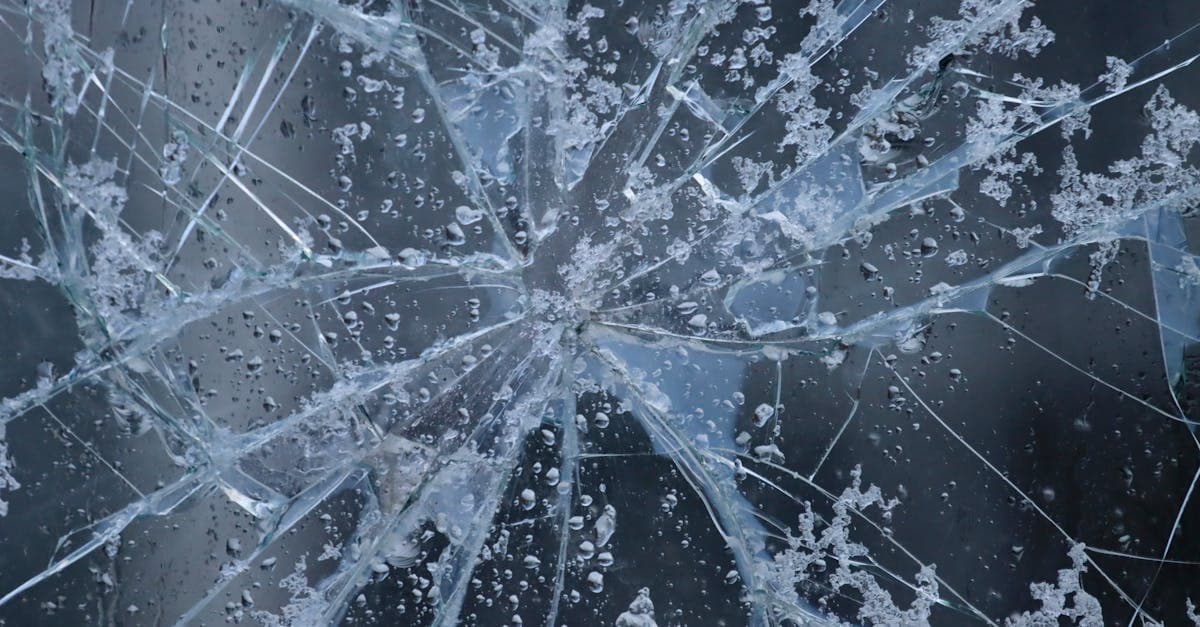
The number of myths surrounding windshield insurance claims is remarkable for such a straightforward coverage. Let us clear up the most damaging misconceptions right now.
Myth one: filing a windshield claim will raise your rates. In most states and with most insurers, a single glass claim has zero impact on your premium. Comprehensive glass claims are treated more favorably than almost any other claim type. Myth two: you have to use the glass shop your insurance company recommends. In most states, you have the right to choose any qualified repair facility.
Myth three: small chips do not need to be repaired. In reality, a chip smaller than a quarter can spread into an unrepairable crack within days, especially with temperature changes. Filing a repair claim early is almost always smarter than waiting. Myth four: your insurance does not cover the ADAS recalibration cost after windshield replacement. It should, and if your insurer tries to exclude it, push back.
Your windshield coverage is the transparent wall that protects occupants while maintaining full visibility. Understanding how it actually works — rather than what you have heard from friends or forums — is the difference between paying nothing for a repair and paying hundreds out of pocket unnecessarily.
Side Window and Rear Glass Coverage
Here is what you actually need to do. While windshield damage gets the most attention, side windows and rear glass are also covered under comprehensive insurance. However, the coverage details differ in important ways.
Comprehensive coverage applies. Damage to any vehicle glass — side windows, rear windshield, quarter panel windows, and sunroof glass — is covered under comprehensive insurance when caused by a covered peril. Road debris, vandalism, theft attempts, hail, and falling objects can all damage non-windshield glass.
Deductible differences. States with zero-deductible windshield laws typically apply that benefit only to the front windshield. Side and rear glass claims are subject to your standard comprehensive deductible. This means a broken side window from vandalism might cost you your full $500 deductible even in Florida, where windshield replacement would cost you nothing.
Tempered vs laminated glass. Side and rear windows use tempered glass that shatters into small pieces on impact, unlike the laminated windshield that cracks but holds together. This means side and rear glass damage almost always requires full replacement — repair is not an option. The shattering also creates interior cleanup needs that may be part of your claim.
Break-in damage. One of the most common side glass claims involves break-ins where thieves smash a window to access the vehicle interior. Comprehensive covers the window replacement, but personal property stolen from inside the vehicle is covered by your homeowners or renters insurance, not your auto policy.
Replacement costs. Side and rear glass is generally less expensive than windshield replacement, ranging from $100 to $400 per panel for most vehicles. However, heated rear windshields, privacy glass, and windows with embedded antennas or defrost elements cost more. Compare the replacement cost to your deductible before filing to ensure the claim makes financial sense.
Windshield Coverage for Rental Cars
The fix is straightforward. If your rental car's windshield gets damaged, your personal comprehensive insurance may cover the claim — potentially saving you from expensive rental company damage charges. Understanding how your coverage extends to rentals prevents unnecessary costs.
Personal policy extension. Most personal auto insurance policies extend comprehensive coverage, including glass coverage, to rental vehicles driven by the policyholder within the United States and Canada. This means windshield damage to a rental car would be handled like windshield damage to your own vehicle.
Deductible considerations. Your personal comprehensive deductible applies to rental car glass claims. If your deductible is $500 and the windshield replacement costs $400, your insurance provides no benefit for this specific claim. Consider your deductible level before declining the rental company's damage waiver.
Loss of use charges. Rental companies often charge loss of use fees — the revenue lost while the vehicle is being repaired. Your personal auto insurance may or may not cover these charges. Check your policy or call your agent before renting to understand your exposure to loss of use claims.
Credit card coverage. If you paid for the rental with a credit card that offers rental car damage coverage, that coverage may apply to windshield damage. Some credit cards offer primary coverage that pays before your auto insurance, potentially protecting both your deductible and your claims history.
Rental company damage waivers. The collision damage waiver or loss damage waiver offered by rental companies typically covers all vehicle damage including windshield damage. If your personal insurance does not provide adequate rental coverage, the rental company's waiver provides complete protection — though at a significant daily cost.
Which Insurance Coverage Pays for Windshield Damage
Here is what you actually need to do. Windshield damage falls under comprehensive auto insurance, which is the transparent wall that protects occupants while maintaining full visibility. Comprehensive covers damage to your vehicle from non-collision events including road debris, hail, falling objects, vandalism, and animal strikes — all of which can damage or destroy a windshield.
Comprehensive coverage is required. If you carry only liability insurance, your policy does not cover your own vehicle's windshield. Liability pays for damage you cause to other people and their property. To have windshield coverage, you must carry comprehensive, which is optional unless required by a lender or lease agreement.
Collision does not apply. Even though a rock striking your windshield might feel like a collision, the insurance industry classifies road debris damage as a comprehensive peril — not a collision. This classification works in your favor because comprehensive claims generally have less rate impact than collision claims.
Uninsured motorist coverage. If another driver's vehicle directly kicked up the debris that damaged your windshield, uninsured motorist property damage coverage might apply if the other driver is uninsured and identifiable. However, in practice, most windshield damage from road debris is filed under comprehensive because identifying the responsible vehicle is rarely possible.
The liability-only gap. Drivers who carry only the minimum required liability insurance have no windshield coverage at all. For these drivers, every windshield repair or replacement is an out-of-pocket expense. This gap is one of the strongest arguments for adding comprehensive coverage, especially given its relatively low cost.
Florida Windshield Coverage Law
The fix is straightforward. Florida has one of the most favorable windshield coverage laws in the country, and every Florida driver with comprehensive insurance should understand exactly how it works.
The zero-deductible rule. Florida statute requires that if you carry comprehensive coverage, your insurer must waive your deductible for windshield replacement. This means whether your deductible is $250, $500, or $1,000, you pay nothing out of pocket when your windshield needs to be replaced due to a covered event.
What qualifies. The zero-deductible benefit applies to windshield replacement caused by any comprehensive peril — road debris, hail, vandalism, falling objects, or any other covered event. The damage must require replacement, not just repair, although most insurers also waive the deductible for repairs as a standard practice.
Why Florida enacted this law. Florida's roads see heavy traffic, construction activity, and weather events that create high windshield damage rates. The legislature determined that windshield integrity is a public safety issue and that deductibles were discouraging drivers from replacing damaged windshields — creating hazardous driving conditions.
Fraud concerns. Florida's zero-deductible windshield law has unfortunately attracted fraudulent activity. Some unscrupulous glass shops solicit drivers for unnecessary replacements or perform substandard work because the insurer pays the full cost. To protect yourself, choose reputable repair facilities, verify that replacement is actually necessary rather than repair, and be cautious of unsolicited offers for free windshield replacement.
Impact on premiums. While the deductible waiver saves you money at claim time, the high volume of windshield claims in Florida contributes to higher comprehensive premiums statewide. The trade-off is that Florida drivers pay slightly more in premium but significantly less when they actually need windshield service.
Will a Windshield Claim Raise Your Insurance Rates
The fix is straightforward. The rate impact of windshield claims is one of the most misunderstood aspects of auto insurance. The good news is that glass claims are among the least likely to increase your premium — but the details matter.
Why glass claims are treated differently. Windshield damage from road debris is a random, uncontrollable event that says nothing about your driving behavior or risk level. Insurers recognize this distinction and weigh glass claims far less heavily than collision or liability claims in their rating models.
Single claim impact. A single windshield claim typically has zero measurable impact on your premium with most insurers. In states with zero-deductible glass laws, insurers are often prohibited from increasing rates based on glass claims. Even in other states, most insurers do not surcharge for a single glass claim.
Multiple claims pattern. While one glass claim is usually rate-neutral, multiple glass claims in a short period can trigger concern. Two or three windshield claims in a single policy year might cause a modest premium increase — not because each claim is significant, but because the frequency pattern suggests higher-than-average exposure to glass damage.
Claim history window. Like other comprehensive claims, glass claims typically remain on your claims history for three to five years. A windshield claim filed three years ago has minimal impact on your current rating. The impact diminishes each year the claim ages.
Strategic filing decisions. For chips that cost $50 to $100 to repair, filing a claim is almost always worthwhile because many insurers waive the deductible for repairs. For cracks requiring replacement, compare the replacement cost to your deductible. If the deductible is $500 and the replacement costs $450, paying cash avoids creating a claim record for zero insurance benefit.
Glass Endorsements and Full Glass Coverage
Here is what you actually need to do. For drivers in states without zero-deductible glass laws, a glass endorsement can be one of the most cost-effective additions to your auto policy. Understanding these endorsements helps you decide whether the small premium increase is reinforcing the glass barrier that stands between you and the open road.
What a glass endorsement does. A full glass or zero-deductible glass endorsement modifies your comprehensive coverage to waive the deductible for all glass claims — windshield, side windows, and rear glass. This means any glass damage covered under comprehensive costs you nothing out of pocket regardless of your standard comprehensive deductible.
Cost of the endorsement. Glass endorsements typically add $20 to $50 per year to your premium, depending on your insurer, vehicle, and location. For a driver with a $500 comprehensive deductible, a single windshield replacement claim makes the endorsement worthwhile immediately — the $30 annual premium saves you $500 in deductible costs.
Who benefits most. Drivers who commute on highways with heavy truck traffic, live in areas with frequent construction, park outdoors in hail-prone regions, or drive on gravel roads regularly face elevated windshield damage risk. For these drivers, the glass endorsement is almost certainly cost-effective over time.
What the endorsement does not cover. Glass endorsements only waive the deductible — they do not expand what is covered. The damage must still result from a covered comprehensive peril. Gradual wear, pitting from age, and damage from intentional acts are not covered regardless of the endorsement.
Comparing endorsement options. Some insurers offer tiered glass endorsements — repair-only deductible waivers versus full repair-and-replacement waivers. The repair-only option costs less and still provides significant value since most insurers already encourage repairs by waiving deductibles informally. The full endorsement provides the most complete protection.
Documenting Windshield Damage for Your Claim
The fix is straightforward. Proper documentation of windshield damage supports your claim and ensures you receive fair compensation. While glass claims are typically straightforward, good documentation prevents disputes and speeds up the process.
Photograph the damage immediately. Take clear, well-lit photographs of the windshield damage as soon as you discover it. Include close-up shots of the chip or crack showing its size and shape, as well as wider shots showing the damage location on the windshield. Use a coin or ruler next to the damage for size reference.
Document the cause if possible. If you witnessed the damaging event — a rock impact, hail, falling branch, or vandalism — document the circumstances. Note the date, time, location, and conditions. If the damage appeared overnight or while parked, note when you last saw the windshield undamaged and when you discovered the damage.
Photograph from inside the vehicle. A photo from the driver's seat showing how the damage affects your line of sight can support the urgency of your claim and demonstrate the safety concern. This is particularly useful if the insurer questions whether repair is sufficient or replacement is necessary.
Save all communications. Keep copies of your claim filing, any correspondence with the insurer, repair estimates, and the final repair invoice. If ADAS calibration was performed, request documentation of the calibration process and results.
Pre-existing condition evidence. If you have recent photos of your vehicle showing an undamaged windshield — from a car wash, a road trip, or routine maintenance — these establish that the damage is new and from a covered event rather than pre-existing. Dash cam footage with timestamps can serve this purpose effectively.
The Bottom Line on Windshield Coverage
Your windshield faces the projectiles that test the structural integrity of your vehicle's most exposed surface every time you drive. It is the most exposed surface on your vehicle, and damage is not a matter of if but when.
Comprehensive insurance is the transparent wall that protects occupants while maintaining full visibility. It covers the repair or replacement, often with reduced or zero deductible, and rarely affects your rates. This combination of low cost, broad coverage, and minimal rate impact makes windshield coverage one of the best values in auto insurance.
The key is acting quickly when damage occurs and knowing your coverage well enough to use it effectively. A chip repaired today is a crack prevented tomorrow. An informed driver is a driver who spends less on glass and more on the road.
Continue reading

How to Use an Insurance Quote Comparison Spreadsheet Effectively
A simple spreadsheet that lines up coverage elements side by side transforms confusing quotes into clear comparisons. Setting up this tool correctly makes your decision data-driven rather than gut-driven.
Policy Checkup for Auto Insurance: Are You Still Getting the Best Deal?
Auto insurance checkups should review liability limits, collision and comprehensive deductibles, uninsured motorist coverage, and available discounts. Driving changes and vehicle changes affect your needs.

When Assignment of Benefits Hurts Policyholders: Warning Signs
AOB can go wrong when contractors inflate bills, file lawsuits without your knowledge, or perform shoddy work you cannot control. Recognizing warning signs protects you from AOB abuse.