Swimming Pools and Personal Liability: What Homeowners Must Know

Most homeowners have significant misconceptions about their personal liability coverage. These myths lead to inadequate protection and unpleasant surprises when claims occur. Let us correct the most damaging ones right now.
Myth one: personal liability only covers incidents on your property. It does not — liability coverage follows you virtually anywhere in the world. If you accidentally injure someone while traveling or damage someone's property while visiting their home, your homeowners liability coverage responds.
Myth two: if someone gets hurt on your property, your insurance automatically pays. It does not — liability coverage requires that you are legally responsible for the injury. If a trespasser injures themselves through their own reckless behavior, you may not be liable at all.
Myth three: the default $100,000 liability limit is enough for most homeowners. For many homeowners, it is dangerously low. A single serious injury can generate medical costs, lost wages, and pain-and-suffering awards that far exceed $100,000.
Myth four: personal liability and medical payments to others are the same thing. They are not — medical payments coverage handles small claims without requiring proof of fault, while personal liability coverage handles larger claims where you are legally responsible.
Personal liability coverage is the foundation that supports your financial stability when liability strikes. Understanding what it actually does — and clearing away the myths — is essential to ensuring your family's financial protection matches your actual risk exposure.
Swimming Pools, Trampolines, and Elevated Liability Risk
Here is what you actually need to do. Certain property features dramatically increase your personal liability exposure. Swimming pools and trampolines are the two most commonly cited liability-intensive features, and insurers treat them accordingly. Understanding the coverage implications helps you manage both the risk and the cost.
Swimming pool liability: Drowning and near-drowning incidents generate some of the largest liability claims in homeowners insurance. A child who drowns or suffers permanent brain damage from a pool incident can generate a liability claim in the millions of dollars. Your personal liability coverage applies, but standard policy limits may be grossly inadequate for a catastrophic pool injury.
The attractive nuisance doctrine: Pools and trampolines are classified as attractive nuisances under the law — features that attract children who may not understand the dangers. Under this doctrine, you can be liable for injuries to trespassing children who are attracted to these features, even if you did not invite them onto your property. This expanded liability makes adequate coverage essential.
Trampoline coverage restrictions: Many homeowners insurers either exclude trampolines from liability coverage entirely or require specific safety measures as a condition of coverage. Required measures may include a safety net enclosure, ground-level installation, locked access when not in use, and adult supervision requirements. Verify your insurer's trampoline policy before purchasing one.
Insurer requirements: Insurers that cover pools and trampolines often require specific safety features. For pools, this typically includes a four-sided fence with a self-closing, self-latching gate, a pool alarm, and a safety cover. Failure to maintain required safety features can void your liability coverage for pool-related incidents.
Higher limits recommendation: If you have a pool, trampoline, or other high-risk feature, insurance professionals consistently recommend carrying at least $300,000 to $500,000 in personal liability coverage and adding a $1 million umbrella policy. The cost of this additional protection is modest compared to the catastrophic exposure these features create.
Personal Liability When You Rent Part of Your Home
The fix is straightforward. Renting a room, basement apartment, or accessory dwelling unit in your home changes your liability landscape in important ways. Understanding how your homeowners personal liability coverage applies to landlord situations prevents dangerous coverage gaps.
Standard policy limitations: Most homeowners policies are designed for owner-occupied residences, not rental properties. If you rent part of your home to a tenant, your personal liability coverage may not fully extend to landlord-tenant liability situations. The extent of coverage depends on your specific policy language and how the rental is structured.
Occasional vs regular rental: Renting a room occasionally to a friend or family member is generally treated differently than operating a regular rental arrangement with a lease agreement and monthly rent. Occasional, informal arrangements are more likely to remain within the scope of homeowners personal liability coverage.
Short-term rental exclusions: If you use platforms like Airbnb or VRBO to rent part of your home, standard homeowners policies typically exclude liability arising from short-term rental activity. These platforms offer some host liability coverage, but it may not be sufficient. A specific short-term rental endorsement or landlord policy provides better protection.
Landlord liability requirements: When you become a landlord, you assume specific legal obligations including maintaining habitable conditions, making timely repairs, and ensuring the rental unit meets building codes. Failure to meet these obligations can create liability that may exceed your homeowners personal liability coverage.
Coverage solutions for landlord situations: Options include adding a landlord endorsement to your homeowners policy, purchasing a separate landlord policy for the rented portion of your property, or obtaining a dwelling fire policy that includes landlord liability coverage. The right solution depends on the scope and regularity of your rental activity.
Slip and Fall Claims: The Leading Liability Risk
Here is what you actually need to do. Slip-and-fall accidents are the most common type of personal liability claim on homeowners policies. These incidents range from minor bruises to severe injuries including fractures, head trauma, and spinal damage. Understanding how your homeowners policy handles these claims helps you both prevent incidents and respond effectively when they occur.
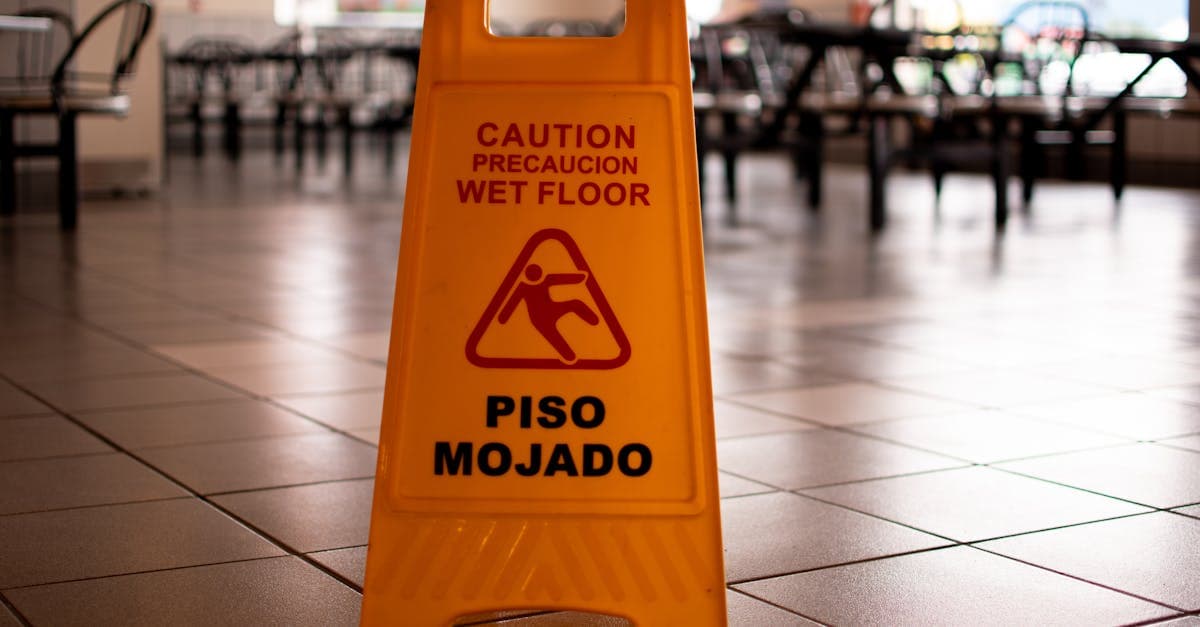
When you are liable: You are typically liable for a slip-and-fall injury when you knew about a hazardous condition and failed to fix it or warn visitors about it. Icy walkways, wet floors, broken steps, uneven surfaces, poor lighting, and loose handrails are common hazards that create liability when left unaddressed. The key legal question is whether you exercised reasonable care to maintain safe conditions.
When you may not be liable: If a visitor ignores obvious hazards, engages in reckless behavior, or trespasses in areas where they are not invited, your liability may be reduced or eliminated. However, the determination is rarely black and white — juries consider the totality of circumstances, and even partially liable homeowners may be required to pay significant damages.
Common claim amounts: Minor slip-and-fall claims involving sprains or bruises may resolve for a few thousand dollars through medical payments coverage. Serious falls involving fractures, surgery, or head injuries generate claims ranging from $50,000 to $300,000 or more, depending on the severity and the jurisdiction. These larger claims are handled by personal liability coverage.
The defense cost advantage: Even when you believe you are not liable, defending against a slip-and-fall lawsuit costs money. Your homeowners personal liability coverage pays for your legal defense, which can easily cost $15,000 to $50,000 or more. This defense cost coverage alone justifies carrying adequate liability limits.
Seasonal risks: Winter ice and snow create heightened slip-and-fall liability for homeowners. Maintaining clear walkways, applying salt or sand, and shoveling promptly after snowfall are both safety measures and liability prevention strategies. Documenting your winter maintenance efforts can support your defense if a claim is filed.
How the Personal Liability Claims Process Works
The fix is straightforward. When someone is injured on your property or you cause damage to someone else's property, the personal liability claims process follows a specific sequence. Understanding these steps helps you respond effectively and protect your interests.
Step one — respond to the incident: Ensure the injured person receives appropriate medical attention. Do not admit fault or make statements about your liability. Express concern for the injured person's wellbeing, but avoid saying anything that could be interpreted as accepting responsibility. These statements can be used against you later.
Step two — document everything: Photograph the scene of the incident, the hazard or condition that caused the injury, and any visible injuries if appropriate. Note the date, time, weather conditions, and names of any witnesses. Preserve any physical evidence related to the incident. This documentation supports your position regardless of how the claim develops.
Step three — notify your insurer promptly: Contact your homeowners insurer as soon as possible after an incident that may result in a liability claim. Most policies require prompt notification, and delayed reporting can complicate or jeopardize your coverage. Provide the facts of the incident without speculating about fault or liability.
Step four — cooperate with the investigation: Your insurer will assign a claims adjuster to investigate the incident. Cooperate fully — provide documentation, answer questions honestly, and make your property available for inspection if requested. Your policy requires your cooperation, and failure to cooperate can void your coverage.
Step five — let the insurer handle communications: Once you report the claim, your insurer takes over communication with the injured party and their attorney. Do not discuss the claim directly with the claimant or their legal representative. Direct all inquiries to your insurer. This protects you from making statements that could harm your position.
Personal Liability Coverage Away From Your Property
The fix is straightforward. One of the most valuable and least understood features of personal liability coverage is that it extends far beyond your property line. Your homeowners policy protects you against liability claims that arise virtually anywhere — a feature that is building a fortress around your assets with the right liability coverage.
Off-premises bodily injury: If you accidentally injure someone while shopping, playing recreational sports, visiting a friend's home, or traveling, your homeowners personal liability coverage responds. You knock someone over while cycling in the park. Your golf ball strikes another player. Your child causes injury during a playdate. These off-premises incidents are covered.
Off-premises property damage: If you accidentally damage someone else's property while away from home, personal liability covers the cost. You accidentally break an expensive vase while visiting friends. Your shopping cart damages another car in the parking lot. You knock over a display in a store. These claims are handled by your homeowners liability.
Travel coverage: Personal liability coverage on your homeowners policy generally extends worldwide. If you cause injury or property damage while traveling in another state or country, your homeowners liability coverage applies. This global reach provides a layer of protection that many homeowners do not realize they have.
Limitations to off-premises coverage: While the geographic scope is broad, the types of covered incidents remain the same — accidental bodily injury and property damage. Intentional acts, business activities, and motor vehicle incidents are excluded regardless of where they occur. The same exclusions that apply on your property apply everywhere else.
Why this matters: Many homeowners believe they need separate liability coverage for activities away from home. In most cases, their homeowners personal liability provides this protection already. Understanding this off-premises coverage prevents unnecessary insurance purchases and helps you appreciate the full value of your homeowners policy.
Personal Liability and Your Children's Actions
Here is what you actually need to do. Parents are generally liable for their children's actions, and your homeowners personal liability coverage extends to cover the acts of minor children who are residents of your household. Understanding this coverage helps parents navigate the liability situations that children inevitably create.
Parental liability laws: Most states have parental liability statutes that hold parents financially responsible for property damage and sometimes bodily injuries caused by their minor children. These laws vary significantly by state — some cap parental liability at a few thousand dollars while others impose broader responsibility. Your homeowners personal liability coverage responds to these claims up to your policy limit.
On-property incidents: When your child's playmate is injured at your home — falling from a treehouse, getting hurt on playground equipment, or being injured during rough play — your homeowners personal liability coverage handles the claim. These incidents are among the most common liability claims filed by families with children.
Off-property incidents: Your child breaks a neighbor's window. Your teenager accidentally damages someone's car with a skateboard. Your child injures a classmate at school. These off-premises incidents are typically covered by your homeowners personal liability because the coverage follows household members beyond the property line.
Bullying and intentional acts: Intentional acts are excluded from personal liability coverage. If your child deliberately injures another child through bullying or fighting, the intentional act exclusion may apply. However, the line between rough play and intentional harm can be legally gray, and your insurer will evaluate each situation individually.
Age and supervision factors: Courts consider the child's age and the parent's level of supervision when evaluating liability. Inadequate supervision of young children near hazards increases both your legal liability and the likelihood that your personal liability coverage will be triggered. Appropriate supervision is both a parenting responsibility and a liability management strategy.
What Personal Liability Does Not Cover
The fix is straightforward. Despite its broad scope, personal liability coverage has important exclusions that every homeowner should understand. Assuming coverage exists when it does not leads to denied claims and personal financial exposure.
Intentional acts: Personal liability coverage does not pay for injuries or damage you cause intentionally. If you deliberately harm someone or purposely destroy their property, the insurer will deny the claim. Insurance covers accidents and negligence, not intentional behavior.
Business activities: Injuries or damages arising from business activities conducted at your home are generally excluded from personal liability coverage. If a client visits your home office and is injured, your homeowners liability may not respond. Home-based business owners need a separate business liability policy or a home business endorsement.
Motor vehicle accidents: Injuries or damage caused by motor vehicles are excluded from homeowners liability and covered by auto insurance instead. This includes cars, motorcycles, and in many cases, motorized recreational vehicles when used off the property.
Workers compensation situations: If you employ household workers — housekeepers, nannies, landscapers — and they are injured on the job, workers compensation laws may apply instead of personal liability coverage. Requirements vary by state, but many states require workers compensation coverage for household employees.
Your own injuries and property: Personal liability covers injuries and damage to others, not to you or your household members. If you fall on your own stairs, that is not a liability claim — your own medical insurance handles your treatment, and your homeowners property coverage handles damage to your home.
The Bottom Line on Personal Liability Coverage
Think of personal liability coverage as the foundation that supports your financial stability when liability strikes. It stands between your household's financial future and the structural cracks in your protection that lawsuits can exploit — the accidents, injuries, and property damage that can generate lawsuits costing far more than most homeowners have in savings.
The coverage is broad but not unlimited. It has clear exclusions that every homeowner should understand. It has a per-occurrence limit that directly determines how much protection you actually have. And it has supplementary features — defense cost coverage and medical payments to others — that add significant value beyond the headline liability limit.
Master these elements — coverage scope, appropriate limits, and risk management — and you will have personal liability protection working at peak efficiency for your household. The protection is real, the cost is modest, and the financial security it provides is worth far more than the premium.
Liability limits get overlooked until a claim hits them. Truscott's overview of personal liability coverage on a homeowners policy explains what's covered, what isn't, and how to tell if your current limit is enough.
Continue reading

How to Use an Insurance Quote Comparison Spreadsheet Effectively
A simple spreadsheet that lines up coverage elements side by side transforms confusing quotes into clear comparisons. Setting up this tool correctly makes your decision data-driven rather than gut-driven.
Policy Checkup for Auto Insurance: Are You Still Getting the Best Deal?
Auto insurance checkups should review liability limits, collision and comprehensive deductibles, uninsured motorist coverage, and available discounts. Driving changes and vehicle changes affect your needs.

When Assignment of Benefits Hurts Policyholders: Warning Signs
AOB can go wrong when contractors inflate bills, file lawsuits without your knowledge, or perform shoddy work you cannot control. Recognizing warning signs protects you from AOB abuse.