Older Home Plumbing and Insurance: Risks You Should Know

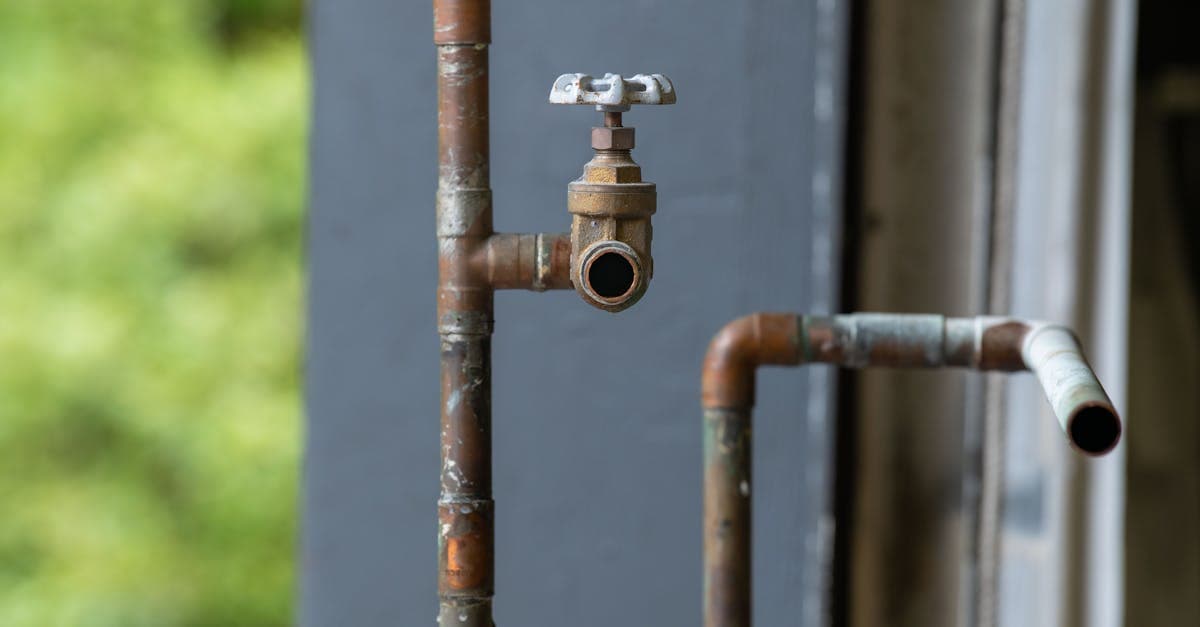
The most dangerous myth about homeowners insurance and plumbing is that your policy covers all water damage from all plumbing problems. It does not. This misconception leads to denied claims and devastating out-of-pocket expenses every year.
Myth one: homeowners insurance covers plumbing repairs. It does not — it covers the damage caused by plumbing failures, not the cost of fixing the plumbing itself. Replacing a burst pipe is your maintenance responsibility. Myth two: all water damage is covered equally. Wrong — sudden damage is covered, but gradual damage from slow leaks is excluded.
Myth three: sewer backup is automatically covered. Standard homeowners policies explicitly exclude sewer backup. You need a separate endorsement to add this coverage. Myth four: if a pipe leaks behind a wall where you cannot see it, insurance always covers the damage. Not necessarily — if the leak has been ongoing for months and left visible signs you should have noticed, the insurer may classify it as gradual damage.
Your homeowners policy is the structural support that holds firm when water threatens to undermine your foundation. But that protection has clearly defined boundaries when it comes to plumbing damage. Understanding these boundaries before you need to file a claim prevents the shock of a denial letter arriving when you are already dealing with water-damaged floors and displaced belongings.
Slab Leak Coverage: When Pipes Under Your Foundation Fail
Here is what you actually need to do. Slab leaks — plumbing failures beneath concrete foundations — present unique insurance challenges because they are hidden, expensive to detect, and costly to repair. Understanding coverage for slab leaks helps homeowners in slab-constructed homes manage this specific risk.
What is a slab leak: A slab leak occurs when a water supply or drain pipe embedded in or beneath a concrete slab foundation develops a leak. The water may seep upward through the slab, travel laterally to emerge at foundation edges, or pool beneath the slab causing soil erosion and foundation movement.
Coverage for slab leak damage: Homeowners insurance typically covers the water damage caused by a slab leak — damaged flooring, wet drywall, and affected personal property. The policy also generally covers the cost of accessing the leak, including breaking through the slab. However, the pipe repair itself is usually excluded as a maintenance item.
Detection challenges: Slab leaks can operate undetected for weeks or months before symptoms appear. Hot spots on floors, unexpected increases in water bills, sounds of running water when no fixtures are in use, and cracks in flooring are common indicators. Early detection limits both the physical damage and the risk of the insurer classifying the leak as gradual.
Repair methods and coverage: Slab leak repairs may involve breaking through the foundation to access the pipe, rerouting pipes through walls or attic spaces, or relining existing pipes. The access and restoration costs are typically covered, while the plumbing repair method choice may affect what the insurer approves.
Foundation damage from slab leaks: If a slab leak causes foundation damage — settling, cracking, or shifting — coverage becomes more complex. Some policies cover foundation damage resulting from a covered plumbing failure while others exclude it. Review your policy's foundation coverage provisions before a slab leak occurs.
Plumbing Endorsements That Strengthen Your Coverage
The fix is straightforward. Standard homeowners policies leave several plumbing-related gaps that affordable endorsements can fill. Evaluating these endorsements is building a framework of protection around the veins and arteries of your home because the gaps they fill represent real and common risks.
Sewer and drain backup endorsement: This is the single most important plumbing endorsement for most homeowners. It covers damage from sewer line backup, drain overflow, and sump pump failure — all excluded from standard policies. Annual cost typically ranges from $40 to $100, with coverage limits from $5,000 to $25,000.
Service line coverage: This endorsement covers the repair or replacement of utility lines running from your home to the street — including water supply lines, sewer lines, and drain pipes. When a main water line breaks or a sewer lateral collapses, repair costs can range from $3,000 to $15,000. Service line endorsements typically cost $25 to $50 annually.
Water backup coverage: Some insurers offer broader water backup endorsements that cover damage from any water backing up through plumbing fixtures, including scenarios not covered by standard sewer backup endorsements. These broader endorsements may cost slightly more but provide more comprehensive protection.
Equipment breakdown coverage: This endorsement covers the repair or replacement of home systems and appliances, including water heaters, that fail due to mechanical or electrical breakdown. Since standard policies do not cover the failed equipment itself, this endorsement fills a significant gap.
Extended replacement cost: While not plumbing-specific, extended replacement cost coverage pays up to 125 percent or more of your dwelling coverage limit for repairs. Severe plumbing damage that requires extensive restoration can approach or exceed your dwelling coverage limit, making this endorsement valuable for comprehensive plumbing damage protection.
Hidden Plumbing Leaks: When Insurance Covers the Unseen
Here is what you actually need to do. Some of the most contentious plumbing damage claims involve leaks hidden behind walls, beneath floors, or under foundations. These hidden leaks present a coverage challenge because the damage may be extensive by the time it is discovered, raising questions about whether the damage was sudden or gradual.
The discovery principle: Many insurance policies include language that treats the date of discovery as relevant to the claim timeline. If a pipe behind a wall has been leaking for two weeks but you had no reasonable way to know, the discovery date — when you first noticed water stains or damage — may be treated as the loss date for claim purposes.
Signs that undermine hidden leak claims: If the adjuster finds evidence that the leak had been producing visible signs for an extended period — persistent musty odors, recurring water stains you painted over, warped flooring you ignored — the insurer may argue you should have investigated sooner. Ignoring warning signs weakens your claim for hidden leak damage.
Professional leak detection: If you suspect a hidden leak, hiring a professional leak detection service creates documentation that you acted promptly once you had reason to suspect a problem. This proactive step strengthens your insurance claim by demonstrating responsible homeownership.
Slab leaks as hidden damage: Pipes beneath concrete foundations can leak for extended periods before symptoms appear. Water may travel significant distances under the slab before surfacing, making the leak location and the damage location quite different. Slab leak claims often require specialized detection equipment and can involve significant foundation repair costs.
Testing and tear-out coverage: Most policies cover the reasonable cost of tearing out walls, floors, or foundations to access and diagnose a hidden leak. This tear-out coverage applies even if the plumbing repair itself is not covered, because the investigation and access are necessary to assess and repair the covered water damage.
Your Duty to Mitigate: Responsibilities After Plumbing Damage
The fix is straightforward. Your homeowners insurance policy includes a requirement that you take reasonable steps to prevent further damage after discovering a plumbing problem. This duty to mitigate is both a contractual obligation and a practical necessity.
What mitigation means: After discovering plumbing damage, you must act reasonably to prevent the damage from getting worse. This includes shutting off the water supply, removing standing water, moving belongings away from wet areas, and arranging emergency drying if necessary. You do not need to be perfect — you need to be reasonable.
Mitigation costs are covered: The reasonable costs you incur to mitigate damage are reimbursable under your policy. Emergency water extraction, temporary repairs to stop continued water flow, dehumidifier rental, and moving and storing belongings are all mitigation expenses that your insurer should cover as part of the claim.
Failure to mitigate consequences: If you discover a plumbing problem and fail to take reasonable steps to prevent further damage, your insurer can reduce or deny the portion of the claim that resulted from your inaction. For example, if a pipe is leaking and you go to bed instead of shutting off the water, the damage that occurs overnight may not be covered.
What is reasonable: Insurers do not expect you to be a plumber or a restoration expert. Reasonable mitigation means taking common-sense steps within your ability. Shutting off water, mopping up standing water, and calling for professional help are all reasonable. Attempting complex plumbing repairs yourself is not required and could actually worsen the situation.
Documenting your mitigation efforts: Keep records of what you did and when. Photograph the scene before and after your mitigation efforts. Save receipts for any emergency supplies or services. This documentation proves you fulfilled your obligation and supports reimbursement for mitigation expenses.
Mold Resulting from Plumbing Damage: Coverage and Limits
The fix is straightforward. Mold is a common secondary consequence of plumbing damage, and its coverage under homeowners insurance depends on the original cause and your policy's specific mold provisions.
When mold is covered: If mold develops as a direct result of a covered plumbing event — such as a burst pipe or sudden water heater failure — the mold remediation is typically covered as part of the original claim. The key is that the mold must result from a covered peril, not from neglect or a gradual leak.
Mold coverage limits: Many homeowners policies cap mold coverage at a specific amount — commonly $5,000 to $10,000 — regardless of the underlying cause. This means even if your plumbing damage claim is fully covered, the mold remediation costs may exceed your mold sub-limit. Check your policy for specific mold coverage limits.
When mold is excluded: Mold from gradual leaks, poor ventilation, or general humidity is excluded. If the plumbing damage itself is not covered — because it was gradual, maintenance-related, or excluded by policy terms — any resulting mold is also excluded. The mold coverage follows the underlying peril coverage.
Speed of response matters: The faster you dry water-damaged areas after a plumbing failure, the less likely mold will develop. Mold can begin growing within 24 to 48 hours of water exposure. Your duty to mitigate includes preventing mold growth through prompt water extraction, drying, and dehumidification. If mold develops because you delayed cleanup, the insurer may deny the mold portion of your claim.
Professional mold assessment: If you suspect mold after a plumbing event, hire a certified mold inspector before beginning remediation. The inspection report documents the extent of mold growth, identifies the moisture source, and provides evidence supporting your insurance claim. Remediating without documentation can weaken your ability to recover mold-related costs.
Plumbing Risks in Older Homes: What Insurance Expects
Here is what you actually need to do. Homes with aging plumbing systems face the silent erosion happening inside walls where pipes carry water under pressure every day that creates both higher failure risk and potentially more complex insurance considerations. Understanding how age affects your plumbing coverage helps you manage this risk proactively.
Common aging pipe materials: Homes built before 1960 may have galvanized steel supply pipes that corrode internally over decades. Homes from the 1970s through early 1990s may contain polybutylene supply pipes, which are prone to micro-fracturing. Older drain pipes may be cast iron, which eventually corrodes from the inside out. Each material has a different failure timeline and pattern.
Insurance implications of aging pipes: Having older pipes does not automatically void your coverage, but it increases scrutiny of claims. When a 60-year-old galvanized pipe fails, the insurer may investigate whether the failure was truly sudden or whether the pipe showed obvious signs of deterioration that should have prompted replacement.
Proactive inspection and documentation: Regular plumbing inspections in older homes create a maintenance record that supports future claims. Having a plumber document that your pipes are in serviceable condition — even if they are old — establishes a baseline that makes sudden failure claims more credible.
Repiping considerations: Some homeowners with aging plumbing choose to repipe their homes proactively. While insurance does not cover this preventive expense, repiping with modern materials reduces your failure risk, eliminates coverage concerns about aging pipes, and may positively affect your insurability.
Disclosure when buying or insuring: When purchasing an older home or renewing insurance, be transparent about known plumbing conditions. Some insurers restrict coverage for homes with certain pipe materials or require inspections before issuing policies. Understanding these requirements prevents coverage surprises.
Burst Pipe Coverage Under Homeowners Insurance
The fix is straightforward. Burst pipes are among the clearest covered perils in homeowners insurance because they represent sudden, accidental events that homeowners cannot prevent through routine maintenance. Understanding exactly what your policy covers after a burst pipe helps you maximize your claim recovery.
What insurance covers: When a pipe bursts, your homeowners policy covers the resulting water damage — saturated drywall that needs replacement, damaged flooring, ruined insulation, stained ceilings, and destroyed personal property. The policy also covers the cost to access the pipe, including tearing out walls or floors to reach the failure point.
What insurance does not cover: The policy does not pay to replace the pipe itself. The burst pipe is considered the cause of loss, and standard policies cover the resulting damage, not the failed component. This means you pay for the plumbing repair while insurance pays for everything the water damaged.
Frozen pipe burst claims: Pipes that burst due to freezing are covered, but your policy requires you to maintain adequate heat in your home or properly winterize the plumbing if the home is vacant. If the insurer determines you failed to take reasonable precautions against freezing, the claim may be denied.
Emergency response matters: The speed of your response to a burst pipe directly affects both the damage extent and your claim. Insurance requires you to mitigate further damage, which means shutting off the water supply immediately. Failing to mitigate can reduce your claim payout because the insurer is not responsible for damage you could have prevented after discovering the problem.
Documentation for burst pipe claims: Photograph the burst point, the water flow pattern, and all areas where water reached. Document the timeline of when you discovered the burst and what actions you took. Keep the failed pipe section if possible — it serves as physical evidence supporting your claim.
The Bottom Line on Plumbing Damage Coverage
Think of your homeowners insurance as the structural support that holds firm when water threatens to undermine your foundation. It stands between your finances and the silent erosion happening inside walls where pipes carry water under pressure every day — the sudden burst, the supply line rupture, the water heater that gives way without warning.
But that protection has clear boundaries. It covers the sudden emergency, not the slow deterioration. It covers the water damage, not the pipe repair. It excludes sewer backup unless you add the endorsement. And it requires you to maintain your plumbing responsibly and respond promptly when failures occur.
Master these boundaries — sudden versus gradual, damage versus cause, standard versus endorsement — and you will navigate plumbing damage claims with confidence. The coverage is real, the protection is meaningful, and the peace of mind is worth understanding exactly how it works.
Continue reading

How to Use an Insurance Quote Comparison Spreadsheet Effectively
A simple spreadsheet that lines up coverage elements side by side transforms confusing quotes into clear comparisons. Setting up this tool correctly makes your decision data-driven rather than gut-driven.
Policy Checkup for Auto Insurance: Are You Still Getting the Best Deal?
Auto insurance checkups should review liability limits, collision and comprehensive deductibles, uninsured motorist coverage, and available discounts. Driving changes and vehicle changes affect your needs.
When Assignment of Benefits Hurts Policyholders: Warning Signs
AOB can go wrong when contractors inflate bills, file lawsuits without your knowledge, or perform shoddy work you cannot control. Recognizing warning signs protects you from AOB abuse.