What Happens If Someone Totals Your Car While Borrowing It?

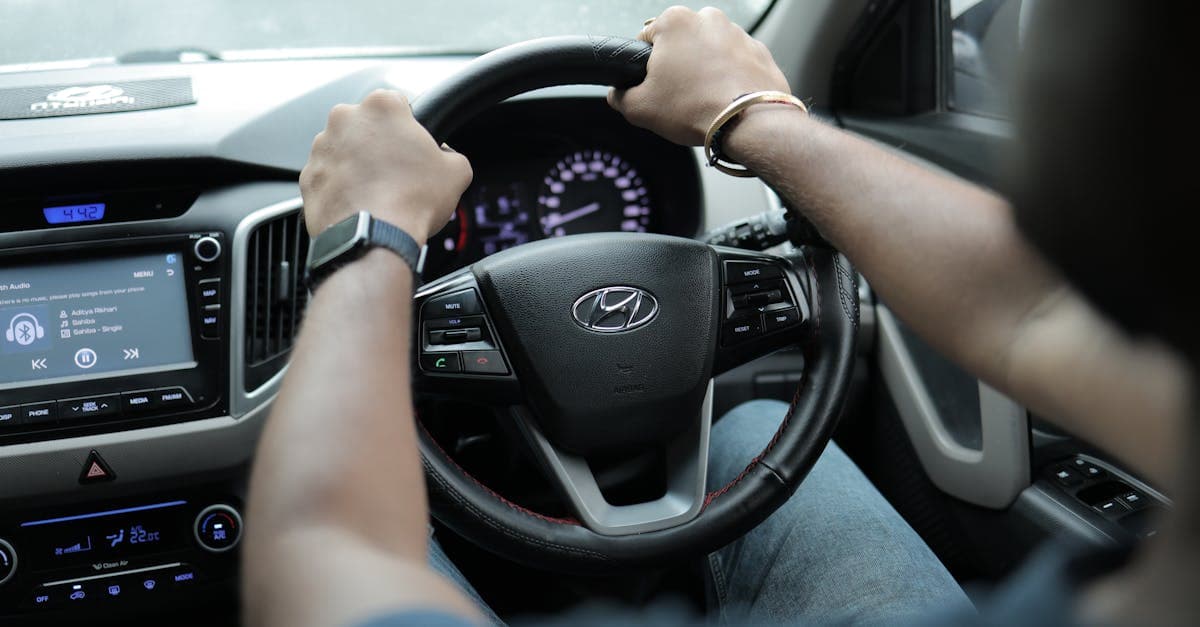
The most expensive myth in borrowed-car situations is the belief that the driver's insurance pays first. This misconception leads vehicle owners to lend their cars freely, assuming the borrower's policy absorbs any accident costs. The reality is the exact opposite.
Myth one: the borrower's insurance pays for the accident. Wrong — your insurance pays first because coverage follows the car. Myth two: the accident goes on the borrower's record, not yours. Wrong — the claim is filed against your policy and appears on your record.
Myth three: your rates will not increase because you were not driving. Potentially wrong — many insurers increase premiums based on claims filed against the policy regardless of who was behind the wheel. Myth four: you cannot be held personally liable for a borrower's accident. Wrong — in many states, vehicle owners face vicarious liability for accidents involving their car.
Your auto insurance is the insurance framework that absorbs the impact when a guest damages your structure. It protects your vehicle and anyone you authorize to drive it, but the cost of that protection — deductibles, claims history, premium increases — falls on you as the policy owner. Understanding these truths before lending your car prevents the shock that comes with discovering them after an accident.
Vicarious Liability: When the Owner Gets Sued
Here is what you actually need to do. Vicarious liability is a legal doctrine that can hold you, the vehicle owner, liable for accidents caused by someone else driving your car with permission. This liability exists separate from your insurance and can reach your personal assets.
How vicarious liability works: In states with vicarious liability statutes, the injured party can sue both the driver and the vehicle owner. The theory is that as the owner, you had control over who used your vehicle and bear some responsibility for the consequences of lending it. Your insurance defends and pays these claims up to your policy limits.
State-by-state variation: Vicarious liability laws vary dramatically by state. Some states impose strict liability on vehicle owners for any accident by a permissive user. Others limit the owner's liability to insurance policy limits. A few states have abolished or severely limited vicarious liability. Knowing your state's approach is essential.
The negligent entrustment escalation: Negligent entrustment is a separate but related theory that imposes liability when you lend your car to someone you know or should know is an incompetent driver. Unlike standard vicarious liability, negligent entrustment claims are based on your own negligence in lending the vehicle, not just your status as owner. These claims can exceed insurance limits.
Protecting yourself legally: Adequate liability insurance is your first defense. An umbrella policy is your second. Beyond insurance, the best protection is screening who drives your vehicle. Do not lend your car to drivers you know to be impaired, unlicensed, or historically reckless. If you do, negligent entrustment exposure increases dramatically.
When to consult an attorney: If you receive a lawsuit related to someone else crashing your car, contact your insurer immediately — they are obligated to provide legal defense under your policy. If the damages claimed exceed your policy limits, consult a personal attorney to protect your individual interests.
The Relationship Impact of Borrowed Car Accidents
The fix is straightforward. Beyond the financial and legal consequences, borrowed-car accidents often strain or destroy relationships between the vehicle owner and the borrower. Addressing the human side of these situations helps you navigate the aftermath while preserving important relationships.
The immediate tension: When someone crashes your car, the immediate emotional response often includes anger, frustration, and blame — even if the borrower is genuinely sorry. These emotions are natural but can lead to damaging confrontations if not managed. Take time to process before having difficult conversations about money.
The deductible conversation: Discussing who pays the deductible is one of the most awkward conversations in any relationship. Approach it as a practical matter, not an accusation. Present the facts: the accident produced a cost, you are asking the borrower to cover the deductible as a reasonable share of that cost. Most people respond better to straightforward requests than to guilt or blame.
When the borrower cannot pay: If the borrower lacks the financial means to reimburse you, demanding payment can damage the relationship without producing results. Consider whether the relationship is worth more than the deductible amount and whether a payment plan or partial reimbursement is a reasonable compromise.
Setting boundaries going forward: After a borrowed-car accident, it is reasonable to change your lending practices. You do not owe anyone future access to your vehicle. If the borrower asks to borrow your car again, a polite decline is perfectly appropriate and does not require an elaborate explanation.
Preventing relationship damage proactively: The best strategy is to discuss the financial realities of lending a car before handing over the keys. If both parties understand that the owner's insurance pays first, the owner's rates may increase, and the owner's deductible applies, there are fewer surprises if an accident occurs. Informed lending creates clearer expectations for everyone.
The Excluded Driver Nightmare Scenario
Here is what you actually need to do. If an excluded driver crashes your car, you face the structural stress caused when someone else's mistake tests your financial foundation — your insurance company will deny the claim entirely. This is one of the most devastating coverage gaps in auto insurance, and it is entirely preventable with proper policy management.
Zero coverage means zero coverage: When a driver is formally excluded from your policy, the exclusion is absolute. Your insurer has no obligation to pay any claims arising from that driver operating your vehicle. Liability, collision, comprehensive — all coverages are voided for any accident involving the excluded driver.
The financial devastation: Without insurance coverage, you are personally responsible for every dollar of damage, injury, and legal cost from the accident. A moderate accident can easily produce $50,000 or more in combined liability and property damage. A serious injury accident can reach into the hundreds of thousands.
Common excluded driver scenarios: The most common situation involves excluding a high-risk household member — typically a teen with violations or an adult with a DUI history — to reduce premium costs. The premium savings may be a few hundred dollars per year. The cost of a single uncovered accident can be life-altering.
The temptation to let them drive anyway: Excluding a driver is supposed to mean they never drive your car. In practice, life happens — the excluded driver needs to run an errand, move the car from the driveway, or handle an emergency. Any of these situations can produce an uncovered accident.
Better alternatives: If the premium for listing a high-risk driver is too expensive, consider whether the vehicle is worth keeping, whether a different insurer offers better rates for your situation, or whether the high-risk driver can obtain their own separate policy and vehicle. Any of these options is safer than maintaining an exclusion that could result in catastrophic uncovered losses.
Preventing Borrowed Car Accidents: Smart Lending Strategies
The fix is straightforward. The best way to avoid the financial and personal consequences of a borrowed-car accident is to prevent the situation from occurring. Smart lending strategies reduce your risk without requiring you to never share your vehicle.
Know your borrowers: Before lending your car, consider the driver's experience, age, driving record, and current condition. A driver who is fatigued, impaired, distracted, or unfamiliar with your vehicle type presents elevated risk. Trust your judgment — if something feels wrong about lending your car, it probably is.
Set clear expectations: When you do lend your car, communicate the rules. Specify where the borrower can drive, how long they can have the vehicle, and whether additional passengers are allowed. Make clear that the borrower should not let anyone else drive the car and should contact you immediately if anything happens.
Verify their insurance: Ask whether the borrower has their own auto insurance. An insured borrower provides secondary coverage that protects you if damages exceed your policy limits. An uninsured borrower means your policy is the only coverage available.
Review your own coverage: Ensure your policy has adequate liability limits, collision coverage with a manageable deductible, and rental reimbursement coverage in case your vehicle is sidelined by a borrower's accident. Consider umbrella insurance if you frequently lend your car.
Consider alternatives: If someone needs a car, alternatives to lending yours include helping them rent a vehicle, calling a rideshare service, or offering to drive them yourself. These alternatives eliminate the insurance risk of having someone else operate your vehicle. The minor inconvenience is worth the financial protection.
What Happens If the Borrower Has No Insurance
The fix is straightforward. When an uninsured driver crashes your car, the coverage dynamics become more concerning because there is no secondary insurance to backstop your policy. Your insurance bears the entire burden, and any damages exceeding your limits become your personal responsibility.
Your policy as the only coverage: Without the borrower having their own insurance, there is no secondary coverage available. Your liability, collision, and other coverages must handle the entire claim. If damages exceed your policy limits, there is no secondary insurer to pick up the excess.
Why this matters for liability: In a serious injury accident, liability claims can easily exceed six figures. If the uninsured borrower causes $200,000 in injuries and your per-person liability limit is $50,000, the remaining $150,000 is your exposure. With an insured borrower, their policy could cover the excess. Without it, you are personally liable.
Coverage denial risk: Some policies have provisions that may limit or deny coverage for accidents involving drivers who are known to be uninsured. While this is not standard, reviewing your policy's permissive use clause for any such restrictions is prudent before lending to an uninsured driver.
The practical advice: Before lending your car, ask whether the borrower has their own auto insurance. An insured borrower provides a secondary safety net that an uninsured borrower cannot. This is not about trust — it is about financial protection.
Non-owner insurance as a solution: If the borrower does not own a car but needs to borrow yours regularly, suggest they purchase a non-owner insurance policy. These policies are relatively inexpensive and provide the secondary coverage that protects both the borrower and you as the vehicle owner.
Documenting the Accident for Maximum Claim Recovery
Here is what you actually need to do. Thorough documentation after a borrowed-car accident strengthens your insurance claim and protects your rights. The steps you take in the first hours after the crash significantly affect the outcome of your claim.
At the accident scene: Photograph all vehicle damage from multiple angles — wide shots and close-ups. Capture the overall scene including road conditions, traffic signals, and weather. Photograph the other vehicles involved, license plates, and any visible injuries. If there is debris, skid marks, or other physical evidence, document it.
Information exchange: Collect the other driver's name, address, phone number, insurance company, policy number, driver's license number, and vehicle registration information. Get the same information from any witnesses. Record the exact location, date, and time of the accident.
Police report: If police respond to the scene, get the officer's name and badge number and the report number. Request a copy of the police report when it becomes available — typically within a few days. The police report provides an official account of the accident that supports your claim.
Borrower's statement: Ask the borrower to write a detailed account of what happened while the events are fresh in their memory. Include the route they were taking, the speed they were traveling, what they observed before the accident, and any statements made by other parties at the scene.
Ongoing documentation: Keep records of all communication with your insurer, repair estimates, rental car expenses, and any other costs related to the accident. If the claim is disputed or goes to litigation, this documentation trail is essential for supporting your position and recovering your costs.
What Happens If a Borrower Totals Your Car
The fix is straightforward. A total loss is the worst-case scenario for a borrowed-car accident. When the damage from the borrower's crash exceeds your vehicle's value, the insurer declares a total loss and pays you the vehicle's actual cash value minus your deductible. Understanding this process prevents additional financial pain.
Total loss declaration: The insurer declares a total loss when repair costs exceed a certain percentage of the vehicle's actual cash value — typically 70 to 80 percent depending on your state. Once the damage crosses this threshold, repairs are not authorized. Instead, the insurer settles the claim with a cash payout.
Actual cash value payout: You receive your vehicle's actual cash value at the time of the loss minus your deductible. If your car was worth $18,000 and your deductible is $500, you receive $17,500. This amount may be less than what you owe on your loan, creating the gap problem described below.
The gap insurance necessity: If you owe more on your vehicle loan than the insurer's ACV payout, you are responsible for the difference. If you owe $22,000 and the payout is $17,500, you owe your lender $4,500 out of pocket. Gap insurance covers this difference and is essential for financed vehicles.
Challenging the valuation: If you believe the insurer's actual cash value determination is too low, you can challenge it. Gather comparable vehicle listings in your area showing higher values. Request the insurer's detailed valuation report and identify specific points to dispute. Many total loss valuations are negotiable.
The borrower's financial responsibility: The borrower who totaled your car may owe you for the deductible and potentially for the gap between the payout and your loan balance. However, collecting these amounts depends on the borrower's willingness and ability to pay. Written agreements before lending the car can help establish financial expectations.
The Bottom Line: Your Car, Your Insurance, Your Consequences
Your auto insurance is the insurance framework that absorbs the impact when a guest damages your structure — but when someone else triggers a claim by crashing your car, the shield protects the situation while the costs fall on you. Your deductible, your claims history, your premium — all affected by someone else's driving.
This is not a flaw in the system — it is how auto insurance is designed. Insurance follows the car, and the car owner bears the primary financial consequences. Understanding and accepting this reality is the foundation of smart vehicle lending decisions.
Protect yourself with adequate coverage, lend your car thoughtfully, and know your options if someone else's mistake becomes your insurance claim. The best outcomes come from preparation, not reaction.
Continue reading

How to Use an Insurance Quote Comparison Spreadsheet Effectively
A simple spreadsheet that lines up coverage elements side by side transforms confusing quotes into clear comparisons. Setting up this tool correctly makes your decision data-driven rather than gut-driven.
Policy Checkup for Auto Insurance: Are You Still Getting the Best Deal?
Auto insurance checkups should review liability limits, collision and comprehensive deductibles, uninsured motorist coverage, and available discounts. Driving changes and vehicle changes affect your needs.

When Assignment of Benefits Hurts Policyholders: Warning Signs
AOB can go wrong when contractors inflate bills, file lawsuits without your knowledge, or perform shoddy work you cannot control. Recognizing warning signs protects you from AOB abuse.