Florida PIP Death Benefits: What Families Should Know

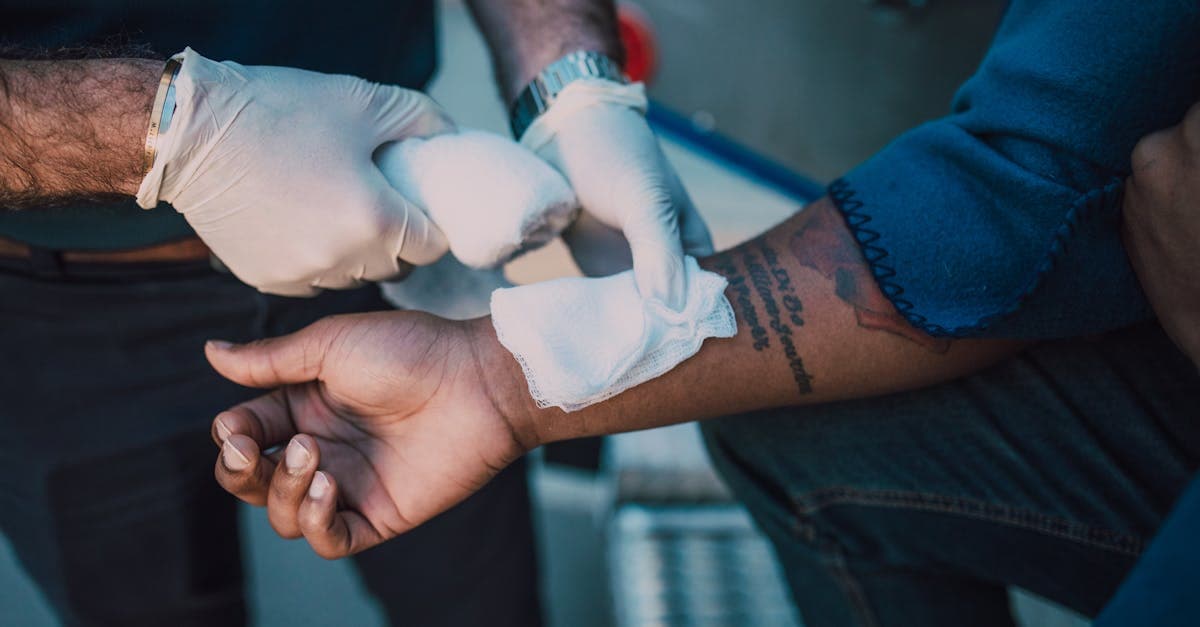
Most Florida drivers believe at least one major myth about their PIP coverage. These misconceptions lead to missed benefits, denied claims, and financial hardship after accidents. Let us correct the most dangerous myths right now.
Myth one: the at-fault driver's insurance pays your medical bills. In Florida's no-fault system, your own PIP pays first regardless of fault. Myth two: PIP covers all your medical expenses. It covers only 80 percent of reasonable expenses up to $10,000. Myth three: you can wait to see a doctor after an accident. Florida's 14-day rule means no treatment within two weeks equals zero PIP benefits.
Myth four: all medical providers qualify for PIP reimbursement. Only providers who meet Florida's specific licensing and reporting requirements can bill PIP. Myth five: PIP and health insurance are interchangeable after an accident. They are different systems with different rules, and the coordination between them follows specific legal requirements.
Florida PIP is the mandatory foundation that supports every Florida auto policy from the ground up. But that shield has specific dimensions and limitations that every driver needs to understand before an accident happens. The difference between a Florida driver who knows PIP rules and one who does not can be thousands of dollars in medical bills that either get covered or come straight out of pocket.
Florida's No-Fault System and How PIP Fits
Here is what you actually need to do. Florida is one of a shrinking number of states that operate under a no-fault auto insurance system. Understanding how this system works explains why PIP exists and why it functions the way it does.
No-fault basics: In a no-fault state, each driver's own insurance pays for their injuries after an accident, regardless of who caused it. You file a claim with your own insurer, not the other driver's insurer. This eliminates the need to establish fault before medical bills get paid.
The tradeoff: In exchange for guaranteed immediate benefits through PIP, Florida limits your ability to sue the other driver for injury-related damages. You can only file a lawsuit if your injuries meet Florida's tort threshold — meaning your injuries must be significant and permanent, not minor or temporary.
What the tort threshold requires: To sue for damages beyond PIP in Florida, you must demonstrate that your injuries include significant and permanent loss of a bodily function, permanent injury within a reasonable degree of medical probability, significant and permanent scarring or disfigurement, or death. Soft tissue injuries alone typically do not meet this threshold.
Why no-fault exists: The system was designed to reduce litigation costs, speed up compensation, and lower overall insurance costs. Whether it achieves these goals remains debated. Proponents argue that PIP pays claims faster than liability systems. Critics argue that fraud and high premiums have undermined the original cost savings.
Impact on Florida drivers: The practical impact is that every Florida driver must carry PIP coverage and should understand that their own policy — not the other driver's — is their primary source of medical expense coverage after an accident. Building your insurance strategy around this reality is essential.
Florida PIP and Motorcycles: A Critical Coverage Gap
The fix is straightforward. Florida does not require motorcyclists to carry PIP coverage, and this exemption creates a significant protection gap that motorcycle riders must understand and address through other means.
The motorcycle PIP exemption: While Florida requires PIP on all registered motor vehicles, motorcycles are specifically exempted from the PIP requirement. This means motorcycle riders do not have the automatic no-fault medical coverage that car drivers receive. If you are injured in a motorcycle accident, your own auto insurance PIP does not apply.
Why the exemption exists: The motorcycle PIP exemption reflects the historically different risk profile and lobbying history of motorcycle operation. Motorcyclists argued that PIP premiums would be disproportionately high relative to benefits because motorcycle accidents tend to produce more severe injuries that quickly exceed the $10,000 PIP cap.
The coverage gap this creates: Without PIP, injured motorcyclists must rely on health insurance, the at-fault driver's liability coverage, or their own uninsured motorist coverage to pay medical bills. There is no immediate no-fault coverage that activates regardless of fault. This can mean delayed medical payment while fault is determined.
Protecting yourself as a motorcyclist: Carry robust health insurance, maintain high uninsured and underinsured motorist coverage limits, and consider medical payments coverage on your motorcycle policy. These layered protections compensate for the lack of PIP. Without them, a motorcycle accident can create immediate financial crisis.
PIP for car owners who also ride: If you own both a car and a motorcycle, your car's PIP policy does not extend to motorcycle accidents. The PIP coverage on your auto policy applies only when you are occupying a motor vehicle — motorcycles are classified differently under Florida law.
The 14-Day Rule: Florida's Strictest PIP Requirement
The fix is straightforward. No single PIP rule causes more lost benefits than Florida's 14-day treatment requirement. This rule is absolute: if you do not receive initial medical treatment within 14 days of an auto accident, you forfeit your PIP benefits completely.
How the rule works: The 14-day clock starts on the date of the accident, not the date you notice symptoms. If your accident occurs on March 1, you must receive medical treatment from a qualifying provider by March 15. Day 15 is too late. There are no extensions, no exceptions for holidays, and no flexibility for delayed symptoms.
Why the rule exists: Florida enacted the 14-day rule in 2012 to combat PIP fraud. Before this rule, some claimants waited weeks or months after an accident before seeking treatment, making it difficult for insurers to verify the connection between the accident and the claimed injuries. The 14-day window was designed to ensure that legitimate injuries receive prompt attention.
Qualifying providers for initial treatment: Not every medical provider satisfies the 14-day requirement equally. A medical doctor, osteopathic physician, or dentist can determine that you have an emergency medical condition, which qualifies you for the full $10,000 benefit. If your initial treatment is from a chiropractor or other non-physician provider, your benefits may be capped at $2,500.
Protecting yourself: See a doctor within 14 days of any auto accident, even if your symptoms seem minor. Delayed-onset injuries are common after car accidents, and establishing medical documentation within the 14-day window preserves your right to PIP benefits even if more serious symptoms develop later.
Florida's No-Fault System and How PIP Fits
Here is what you actually need to do. Florida is one of a shrinking number of states that operate under a no-fault auto insurance system. Understanding how this system works explains why PIP exists and why it functions the way it does.
No-fault basics: In a no-fault state, each driver's own insurance pays for their injuries after an accident, regardless of who caused it. You file a claim with your own insurer, not the other driver's insurer. This eliminates the need to establish fault before medical bills get paid.
The tradeoff: In exchange for guaranteed immediate benefits through PIP, Florida limits your ability to sue the other driver for injury-related damages. You can only file a lawsuit if your injuries meet Florida's tort threshold — meaning your injuries must be significant and permanent, not minor or temporary.
What the tort threshold requires: To sue for damages beyond PIP in Florida, you must demonstrate that your injuries include significant and permanent loss of a bodily function, permanent injury within a reasonable degree of medical probability, significant and permanent scarring or disfigurement, or death. Soft tissue injuries alone typically do not meet this threshold.
Why no-fault exists: The system was designed to reduce litigation costs, speed up compensation, and lower overall insurance costs. Whether it achieves these goals remains debated. Proponents argue that PIP pays claims faster than liability systems. Critics argue that fraud and high premiums have undermined the original cost savings.
Impact on Florida drivers: The practical impact is that every Florida driver must carry PIP coverage and should understand that their own policy — not the other driver's — is their primary source of medical expense coverage after an accident. Building your insurance strategy around this reality is essential.
Florida PIP Lost Wage Benefits Explained
The fix is straightforward. PIP's lost wage benefit replaces 60 percent of your gross income when auto accident injuries prevent you from working. This benefit is separate from the medical expense benefit but shares the same $10,000 combined cap. Understanding how the lost wage benefit works helps you maximize your income replacement.
Eligibility requirements: To receive PIP lost wage benefits, you need two things: a medical provider's statement confirming that your injuries prevent you from performing your job duties, and documentation from your employer confirming your absence and normal compensation. Both pieces of documentation must be submitted to your PIP insurer.
Calculating the benefit: PIP pays 60 percent of your gross wages — that is your pre-tax income, not your take-home pay. If you earn $1,000 per week and miss two weeks of work, PIP pays $1,200 in lost wages (60 percent of $2,000). This amount counts against your total $10,000 PIP limit.
Self-employment income: Self-employed individuals can claim PIP lost wage benefits but must provide more extensive documentation including tax returns, profit and loss statements, and evidence of scheduled work that was canceled due to the accident. The documentation burden is higher but the benefit is available.
Impact on the total benefit cap: Lost wage payments reduce your remaining PIP medical benefit. If you receive $2,000 in lost wages, only $8,000 remains for medical expenses. This shared cap means that drivers with significant lost wages may exhaust their PIP faster, leaving less available for ongoing medical treatment.
Waiting period: There is no waiting period for PIP lost wage benefits. The benefit begins from the first day of missed work due to the accident, provided you have medical documentation supporting the inability to work. This immediate activation distinguishes PIP from many disability insurance programs.
Which Medical Providers Qualify for Florida PIP
Here is what you actually need to do. Not every medical provider can bill Florida PIP for auto accident treatment. The state imposes specific licensing and qualification requirements that affect which providers you can see and how much coverage you receive.
Physicians and osteopaths: Medical doctors and doctors of osteopathic medicine are the gold standard for PIP treatment. They can determine that you have an emergency medical condition — the finding that qualifies you for the full $10,000 benefit. Initial treatment from a physician provides the strongest foundation for your PIP claim.
Chiropractors: Licensed chiropractors can treat auto accident injuries under PIP, but there is a critical limitation. If a chiropractor is your initial treating provider and does not refer you to a physician who determines you have an emergency medical condition, your PIP medical benefits may be capped at $2,500. Many chiropractors address this by coordinating with physicians.
Dentists: Licensed dentists can treat auto accident dental injuries under PIP and can make emergency medical condition determinations for dental-related injuries. Broken teeth, jaw injuries, and facial trauma from auto accidents are legitimate PIP dental claims.
Physical therapists and other providers: Physical therapists, occupational therapists, speech therapists, and certain other licensed providers can treat PIP patients but typically require a referral from a physician. These providers cannot make the emergency medical condition determination independently.
Provider fraud reporting requirements: Florida law requires PIP providers to meet specific reporting and documentation standards. Providers must maintain records that support the medical necessity of treatments billed to PIP. Providers who fail to meet these standards risk exclusion from PIP billing and potential fraud prosecution.
Florida PIP Reform: What Has Changed and Why
The fix is straightforward. Florida's PIP system has undergone multiple significant reforms since its creation in 1971. Each reform attempted to address specific problems, and understanding this history helps you appreciate the rules that govern your current coverage.
The original 1971 system: Florida's initial PIP law provided straightforward no-fault benefits with minimal restrictions. Drivers received medical expense and lost wage coverage after accidents without fault determination. The system worked relatively well for its first decade before fraud became a significant concern.
Early fraud challenges: By the 1990s, PIP fraud had become a major cost driver. Staged accidents, phantom clinics, and inflated billing schemes were draining the system. Premiums climbed as insurers passed fraud-related costs to policyholders. The legislature began a series of reform efforts that continues to this day.
The 2012 reforms: The most impactful modern PIP reform established the 14-day treatment rule, created the emergency medical condition distinction between $10,000 and $2,500 benefit tiers, implemented the Medicare-based fee schedule, added anti-fraud reporting requirements, and restricted the types of providers who could bill PIP for certain services.
Post-2012 developments: Following the 2012 reforms, PIP claim frequency decreased but premiums remained high in many areas. Ongoing legislative discussions have included proposals to replace PIP with a mandatory bodily injury liability system, increase the $10,000 benefit cap, and modify the tort threshold requirements.
Current status: As of 2026, Florida's PIP system remains in place with the 2012 reform framework largely intact. Drivers should stay informed about potential legislative changes that could modify their PIP coverage requirements, benefit levels, or the overall structure of Florida's no-fault system.
The Bottom Line on Florida PIP
Think of Florida PIP as the mandatory foundation that supports every Florida auto policy from the ground up. It stands between you and the structural cracks that appear when drivers misunderstand what their own policy covers — the immediate medical bills and lost income that follow any auto accident. It activates instantly, pays regardless of fault, and provides critical first-response financial support.
But like any first-response system, PIP is designed for initial stabilization, not long-term care. The $10,000 limit, the 80 percent co-payment structure, and the emergency medical condition rules all mean that PIP handles the opening chapter of your accident recovery. The rest of the story requires health insurance, supplemental auto coverages, and potentially legal action for serious injuries.
Master the rules — the 14-day deadline, the provider requirements, the deductible math — and PIP becomes a reliable tool in your financial protection toolkit. Ignore the rules, and PIP becomes a source of frustration, denied claims, and unexpected bills. The choice is yours, and the time to make it is before the next accident happens on Florida's roads.
Continue reading

How to Use an Insurance Quote Comparison Spreadsheet Effectively
A simple spreadsheet that lines up coverage elements side by side transforms confusing quotes into clear comparisons. Setting up this tool correctly makes your decision data-driven rather than gut-driven.
Policy Checkup for Auto Insurance: Are You Still Getting the Best Deal?
Auto insurance checkups should review liability limits, collision and comprehensive deductibles, uninsured motorist coverage, and available discounts. Driving changes and vehicle changes affect your needs.
When Assignment of Benefits Hurts Policyholders: Warning Signs
AOB can go wrong when contractors inflate bills, file lawsuits without your knowledge, or perform shoddy work you cannot control. Recognizing warning signs protects you from AOB abuse.