Other Structures Coverage for Guest Houses and In-Law Suites

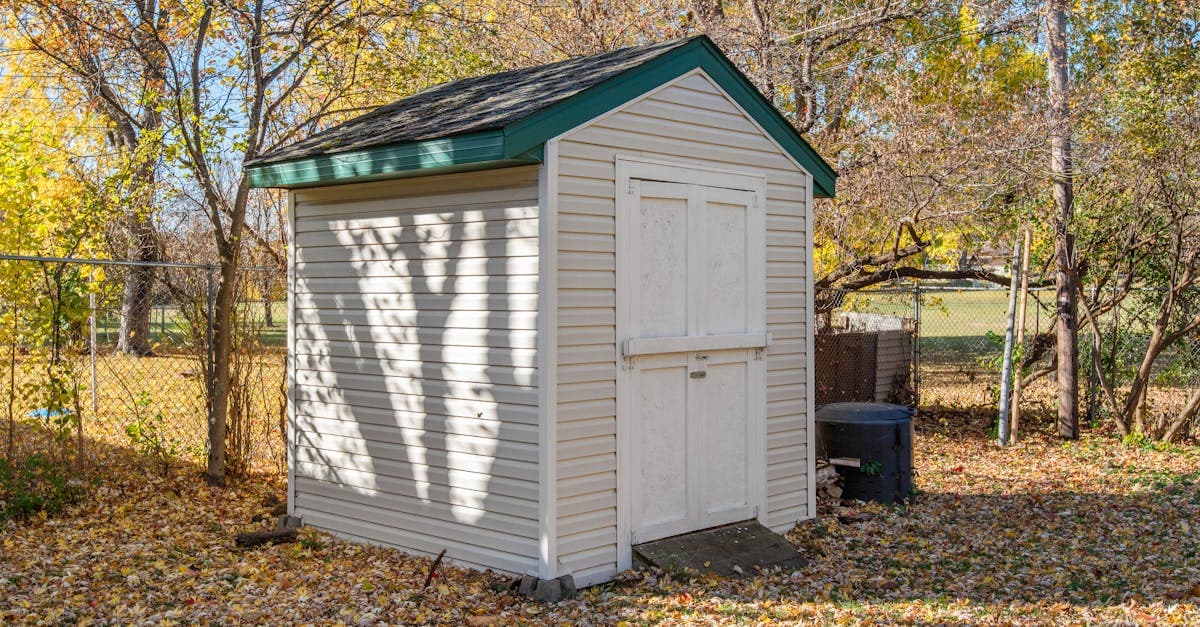
Most homeowners carry significant misconceptions about their other structures coverage. These myths lead to coverage gaps, claim surprises, and unnecessary out-of-pocket costs when detached structures are damaged.
Myth one: your homeowners policy covers all structures on your property under dwelling coverage. It does not — only structures physically attached to your home fall under dwelling coverage. Detached structures are covered under Coverage B, which has a separate and typically much lower limit.
Myth two: the default 10 percent Coverage B limit is always enough. It depends entirely on what detached structures you have. A property with only a small shed and a basic fence may be fine. A property with a detached garage, workshop, pool house, and extensive fencing may be severely underinsured.
Myth three: other structures coverage is automatic and requires no attention. While Coverage B is included in standard homeowners policies, the default limit is a formula-based starting point. You are responsible for verifying that it matches the actual replacement cost of your detached structures.
Myth four: detached structures used occasionally for business are automatically covered. Standard Coverage B may exclude or limit coverage for structures used for business purposes. A detached building where you run a side business may need additional coverage or a separate endorsement.
Other structures coverage is the satellite blueprints that extend your policy's structural protection to every building on your lot that stands apart from the main home. Dispelling these myths ensures you understand how the coverage actually works and where attention is needed.
Other Structures Coverage After Storm Damage: The Claims Process
Here is what you actually need to do. Storm damage is the most common trigger for Coverage B claims. Wind, hail, fallen trees, and lightning damage detached structures across your property, and understanding the claims process helps you recover efficiently.
Reporting multi-structure damage: When a storm damages multiple detached structures, report all damage under a single claim. One storm is one occurrence, and you pay only one deductible for all storm-related damage to all structures — your detached garage, shed, fence, and any other affected buildings.
Documentation for each structure: Photograph and document damage to every affected detached structure individually. Capture wide-angle shots showing the full extent of damage and close-up photos of specific damage points. This per-structure documentation helps the adjuster assess and estimate repairs for each building.
The adjuster inspection: The insurance adjuster will inspect each damaged detached structure, measure affected areas, note damaged materials, and prepare a combined repair estimate covering all structures. Review the adjuster's scope for each structure to ensure nothing was missed.
Prioritizing repairs: After storm damage to multiple structures, prioritize repairs that prevent further damage. Tarp a damaged shed roof to prevent water intrusion. Secure a broken garage door to prevent unauthorized entry. Board openings in damaged structures to protect against additional weather exposure. These emergency repairs are covered under your policy.
Contractor coordination: A single contractor can often handle repairs to multiple detached structures, streamlining the rebuilding process. Get bids that itemize the work for each structure separately so you can compare them to the adjuster's estimate on a per-structure basis.
Supplemental claims for hidden damage: Contractors may discover additional damage during repairs that was not visible during the initial inspection — rot behind damaged siding, structural weakness in a garage frame, or foundation shifting under a collapsed shed. File supplemental claims for any newly discovered damage.
Fallen Tree Damage to Detached Structures and Debris Removal
The fix is straightforward. Fallen trees are one of the most common causes of damage to detached structures. Understanding how Coverage B handles tree damage and debris removal ensures you get the full benefit of your other structures coverage after a tree-related incident.
Tree falls on a detached structure: When a tree falls on your detached garage, shed, fence, or other structure, Coverage B pays for the structural repair or replacement. The coverage applies whether the tree was on your property or your neighbor's property — what matters is that the tree damaged your structure.
Tree removal from the structure: Most homeowners policies cover the cost of removing a fallen tree from a damaged structure as part of the Coverage B claim. If a tree is lying on your collapsed shed, the cost of cutting and removing the tree to access the damaged structure is included.
Tree removal from the yard: Removing a fallen tree from your yard — when it has not damaged any structure — is handled differently. Many policies provide limited coverage for tree removal even when no structural damage occurred, typically $500 to $1,000 per tree up to a policy aggregate.
Multiple structures damaged by one tree: A single large tree can damage multiple detached structures — falling across a fence line and hitting a shed, for example. All damage from the same fallen tree is one occurrence with one deductible, regardless of how many structures are affected.
Preventive tree removal: Coverage B does not pay for removing healthy or hazardous trees before they fall. Preventive tree maintenance is a homeowner responsibility. However, maintaining your trees and removing dead or hazardous ones reduces the risk of a future Coverage B claim.
Neighbor's tree on your structure: If your neighbor's tree falls on your detached structure, your Coverage B pays for your structural damage. You do not need to pursue your neighbor's insurance — your policy covers damage to your structures regardless of the tree's origin.
Fence Coverage and Small Structures: Common Coverage B Claims
The fix is straightforward. Fences, mailboxes, retaining walls, and other small structures generate some of the most frequent Coverage B claims. While individual claim amounts are often modest, understanding how these claims work helps you navigate the process efficiently.
Fence replacement costs: A 200-foot wood privacy fence costs $4,000 to $10,000 to replace depending on materials, height, and your local market. Vinyl fencing of the same length costs $5,000 to $12,000. Wrought iron or aluminum fencing ranges from $6,000 to $15,000. Chain link is the most affordable at $2,000 to $5,000.
Common fence damage scenarios: Fallen trees and branches are the leading cause of fence claims. High winds can push over entire fence sections, particularly wooden fences with deteriorated posts. Vehicle impact — a car leaving the road and hitting your fence — is also a covered peril.
The deductible problem with small claims: On a fence claim of $3,000 with a $2,500 deductible, Coverage B pays only $500. For small structure claims, the deductible can consume a large portion of the payout, making it worth considering whether filing a claim makes financial sense.
Retaining walls: Permanent retaining walls on your property may qualify for Coverage B when damaged by covered perils. Collapse from erosion or earth pressure may be excluded as earth movement, but damage from fallen trees or vehicle impact is typically covered.
Mailboxes and light posts: Permanent mailbox structures, decorative lamp posts, and yard fixtures are covered under Coverage B when damaged by covered perils. Vehicle impact is the most common cause of mailbox and light post claims.
Matching and replacement challenges: When a storm destroys one section of fence, matching the replacement panels to existing sections can be difficult. Your Coverage B claim should cover the cost of replacement materials that reasonably match the original, though matching is not always guaranteed.
Inventorying Your Detached Structures and Reviewing Your Coverage B Limit
Here is what you actually need to do. The single most important step you can take to ensure adequate other structures coverage is creating a complete inventory of every detached structure on your property and comparing their combined replacement cost to your Coverage B limit.
Step one — walk your property: Physically walk the perimeter and interior of your property, identifying every detached structure. Include obvious structures like garages and sheds, but also note fences, retaining walls, mailbox structures, lamp posts, gazebos, pergolas, garden structures, and any other permanent features not attached to the main home.
Step two — estimate replacement costs: For each structure, estimate the replacement cost. Use current local construction costs, not the original cost of the structure. A shed you built for $3,000 ten years ago might cost $5,000 to replace today. A fence installed for $6,000 might cost $10,000 at current material and labor prices.
Step three — calculate the total: Add up the replacement costs of all detached structures. This total represents your Coverage B exposure — the amount you need in other structures coverage to fully protect every detached building and structure on your property.
Step four — compare to your limit: Check your homeowners declarations page for your Coverage B limit. If your total replacement cost exceeds this limit, you need to increase your coverage. Contact your agent with your inventory and request a limit adjustment.
Step five — photograph everything: Take photographs of every detached structure from multiple angles. Document the condition, materials, and any special features. Store these photos digitally in a location accessible even if your property is damaged. This documentation speeds up the claims process after a loss.
Step six — review annually: Repeat this inventory annually and after adding any new detached structure. New fencing, a new shed, or any other addition changes your total exposure and may require a Coverage B limit increase.
Fence Coverage and Small Structures: Common Coverage B Claims
The fix is straightforward. Fences, mailboxes, retaining walls, and other small structures generate some of the most frequent Coverage B claims. While individual claim amounts are often modest, understanding how these claims work helps you navigate the process efficiently.
Fence replacement costs: A 200-foot wood privacy fence costs $4,000 to $10,000 to replace depending on materials, height, and your local market. Vinyl fencing of the same length costs $5,000 to $12,000. Wrought iron or aluminum fencing ranges from $6,000 to $15,000. Chain link is the most affordable at $2,000 to $5,000.
Common fence damage scenarios: Fallen trees and branches are the leading cause of fence claims. High winds can push over entire fence sections, particularly wooden fences with deteriorated posts. Vehicle impact — a car leaving the road and hitting your fence — is also a covered peril.
The deductible problem with small claims: On a fence claim of $3,000 with a $2,500 deductible, Coverage B pays only $500. For small structure claims, the deductible can consume a large portion of the payout, making it worth considering whether filing a claim makes financial sense.
Retaining walls: Permanent retaining walls on your property may qualify for Coverage B when damaged by covered perils. Collapse from erosion or earth pressure may be excluded as earth movement, but damage from fallen trees or vehicle impact is typically covered.
Mailboxes and light posts: Permanent mailbox structures, decorative lamp posts, and yard fixtures are covered under Coverage B when damaged by covered perils. Vehicle impact is the most common cause of mailbox and light post claims.
Matching and replacement challenges: When a storm destroys one section of fence, matching the replacement panels to existing sections can be difficult. Your Coverage B claim should cover the cost of replacement materials that reasonably match the original, though matching is not always guaranteed.
Inventorying Your Detached Structures and Reviewing Your Coverage B Limit
Here is what you actually need to do. The single most important step you can take to ensure adequate other structures coverage is creating a complete inventory of every detached structure on your property and comparing their combined replacement cost to your Coverage B limit.
Step one — walk your property: Physically walk the perimeter and interior of your property, identifying every detached structure. Include obvious structures like garages and sheds, but also note fences, retaining walls, mailbox structures, lamp posts, gazebos, pergolas, garden structures, and any other permanent features not attached to the main home.
Step two — estimate replacement costs: For each structure, estimate the replacement cost. Use current local construction costs, not the original cost of the structure. A shed you built for $3,000 ten years ago might cost $5,000 to replace today. A fence installed for $6,000 might cost $10,000 at current material and labor prices.
Step three — calculate the total: Add up the replacement costs of all detached structures. This total represents your Coverage B exposure — the amount you need in other structures coverage to fully protect every detached building and structure on your property.
Step four — compare to your limit: Check your homeowners declarations page for your Coverage B limit. If your total replacement cost exceeds this limit, you need to increase your coverage. Contact your agent with your inventory and request a limit adjustment.
Step five — photograph everything: Take photographs of every detached structure from multiple angles. Document the condition, materials, and any special features. Store these photos digitally in a location accessible even if your property is damaged. This documentation speeds up the claims process after a loss.
Step six — review annually: Repeat this inventory annually and after adding any new detached structure. New fencing, a new shed, or any other addition changes your total exposure and may require a Coverage B limit increase.
How the Coverage B Limit Works and When to Increase It
Here is what you actually need to do. Your other structures coverage limit is typically calculated as a percentage of your dwelling coverage — most commonly 10 percent. Understanding how this limit works and when it needs to be increased is critical to ensuring your detached structures are fully protected.
The 10 percent default: On a homeowners policy with $400,000 in dwelling coverage, the default Coverage B limit is $40,000. This $40,000 must cover the repair or replacement of every detached structure on your property combined. It is a shared pool, not a per-structure limit.
When the default is adequate: For properties with minimal detached structures — a small storage shed and a basic fence — the 10 percent default may be sufficient. If the total replacement cost of all detached structures is well below the default limit, no adjustment is needed.
When the default falls short: Properties with detached garages ($25,000 to $55,000 to rebuild), extensive fencing ($5,000 to $15,000), workshops ($15,000 to $40,000), pool houses ($20,000 to $60,000), or multiple outbuildings can easily exceed the default limit. Any property where the combined replacement cost of detached structures exceeds 10 percent of the dwelling limit needs a Coverage B increase.
How to increase your limit: Contact your insurance agent to request a Coverage B limit increase. Most insurers allow you to set Coverage B at 15, 20, or even 25 percent of your dwelling limit, or at a specific dollar amount. The additional premium for increasing Coverage B is typically modest — often $50 to $150 per year for a meaningful limit increase.
Reviewing after property changes: Any time you add a detached structure — building a shed, installing a fence, constructing a gazebo — contact your agent to review your Coverage B limit. The new structure increases the total replacement cost of your detached buildings.
The inventory approach: Create a list of every detached structure on your property, estimate the replacement cost of each, and add them up. Compare the total to your Coverage B limit. This simple exercise reveals whether your coverage is adequate or whether a gap exists.
The Bottom Line on Other Structures Coverage
Think of other structures coverage as the satellite blueprints that extend your policy's structural protection to every building on your lot that stands apart from the main home. It extends protection beyond your front door to every detached building and structure on your property, standing between your investment and the design flaw that leaves detached garages, sheds, and fences outside the protective envelope of your dwelling coverage.
The coverage is straightforward but requires one key action: verifying that your Coverage B limit matches the combined replacement cost of all your detached structures. The default 10 percent formula is a starting point, not a guarantee of adequacy.
Master these basics — know your limit, inventory your structures, compare the numbers, and adjust if needed — and your other structures coverage will function as intended: ensuring that every detached building on your property can be repaired or rebuilt after a covered loss.
The protection exists. The question is whether the limit matches your actual exposure. Take twenty minutes to answer that question, and your entire property — not just your main home — will be fully covered.
Continue reading

How to Use an Insurance Quote Comparison Spreadsheet Effectively
A simple spreadsheet that lines up coverage elements side by side transforms confusing quotes into clear comparisons. Setting up this tool correctly makes your decision data-driven rather than gut-driven.

Policy Checkup for Auto Insurance: Are You Still Getting the Best Deal?
Auto insurance checkups should review liability limits, collision and comprehensive deductibles, uninsured motorist coverage, and available discounts. Driving changes and vehicle changes affect your needs.

When Assignment of Benefits Hurts Policyholders: Warning Signs
AOB can go wrong when contractors inflate bills, file lawsuits without your knowledge, or perform shoddy work you cannot control. Recognizing warning signs protects you from AOB abuse.