How to Document Storm Damage for Your Insurance Claim

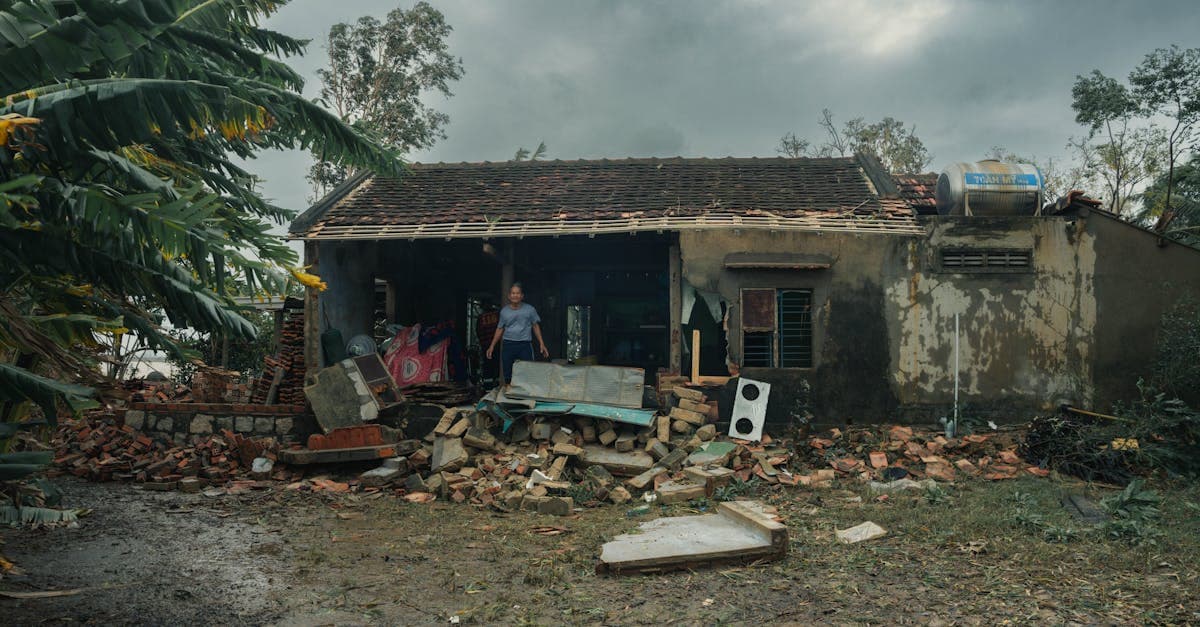
Many homeowners assume their policy covers all storm damage. It does not. This misconception leads to denied claims, financial hardship, and frustration that could be avoided with accurate understanding. Let us correct the most damaging myths about storm damage coverage right now.
Myth one: all water damage from storms is covered. False. Your homeowners policy covers water that enters through storm-damaged openings like a breached roof, but it does not cover flooding from rising water, storm surge, or ground saturation. That requires separate flood insurance.
Myth two: your insurance will replace your entire roof if part of it is damaged. Not necessarily. Most policies cover the damaged portion. Whether the insurer pays to match undamaged sections depends on your policy language and state regulations.
Myth three: you have unlimited time to file a storm damage claim. Every state has claim filing deadlines, and many policies have shorter notice requirements. Delayed reporting can result in claim denial.
Myth four: the insurance company will automatically find all the damage. The adjuster inspects what is reported and visible. Hidden damage that you do not identify and document may be missed, reducing your settlement.
Your homeowners insurance is the reinforced foundation that keeps your financial house standing when the physical one takes a hit. It provides powerful protection against storm damage, but only within its defined boundaries. Understanding those boundaries before the next storm transforms your policy from a mystery into a plan.
Temporary Repairs After Storm Damage: Your Duty to Mitigate
Here is what you actually need to do. Your homeowners policy includes a duty to mitigate — a requirement that you take reasonable steps to prevent further damage to your property after a storm. Understanding this obligation protects both your home and your claim.
What the duty to mitigate requires: After storm damage occurs, you must take reasonable temporary measures to prevent additional damage. If your roof is breached, cover the opening with a tarp. If windows are broken, board them up. If water is entering, take steps to stop or redirect it. These are not optional courtesies — they are policy conditions.
Reimbursement for temporary repairs: The reasonable cost of temporary repairs to prevent further damage is reimbursable under your homeowners policy. Keep all receipts for materials and services. Tarps, plywood, emergency board-up services, and temporary water extraction are all covered as part of your claim. These costs are typically covered in addition to your claim payout, not subtracted from it.
What counts as reasonable: You are not expected to make permanent repairs immediately, and you should not make permanent repairs before the adjuster inspects the damage. Reasonable means temporary protective measures that any prudent homeowner would take. Tarping a damaged roof, boarding broken windows, and removing standing water are reasonable. Hiring a full construction crew before the adjuster arrives is not.
Documentation of temporary repairs: Photograph the damage before making any temporary repairs. Then photograph the repairs themselves. This documentation proves both the extent of original damage and the steps you took to mitigate further loss. Without before-and-after photos, the adjuster may not be able to distinguish between storm damage and damage that occurred after the storm due to the unprotected opening.
Consequences of failing to mitigate: If you do nothing to prevent further damage and the unprotected breach allows additional water damage, mold growth, or structural deterioration, the insurer may deny coverage for the additional damage. Your policy covers the storm damage but does not cover damage you could have reasonably prevented.
Storm-Related Power Surge Damage and Insurance
The fix is straightforward. Storms frequently cause power surges that destroy electronics, appliances, and electrical systems throughout your home. Understanding how your homeowners policy covers surge damage helps you file complete claims and protect your valuable equipment.
How storm surges occur: Lightning strikes — whether hitting your home, nearby structures, or power lines — send electrical surges through your home's wiring. Downed power lines, utility switching during storm response, and power restoration after outages also create damaging surges. These events can destroy any device connected to your electrical system.
What coverage applies: Electronics and appliances damaged by storm-related power surges are covered under your personal property coverage. Built-in electrical systems, wiring, and panels are covered under your dwelling coverage. The covered peril is the storm event that caused the surge.
Common surge damage items: Computers, televisions, gaming systems, smart home devices, refrigerators, washing machines, dryers, HVAC controls, and garage door openers are all vulnerable to surge damage. A single storm event can destroy thousands of dollars in electronics simultaneously.
Documentation for surge claims: Create an inventory of all electronics and appliances damaged by the surge. Record the make, model, and approximate age of each item. If items are under warranty, check whether the manufacturer covers surge damage. Keep the damaged items until the adjuster reviews them or instructs you otherwise.
Prevention and coverage interaction: Whole-house surge protectors cost $200 to $500 to install and can prevent most surge damage. Individual surge protector strips provide additional protection for sensitive electronics. While prevention is ideal, your insurance coverage applies fully regardless of whether you had surge protection installed.
Hurricane Damage and Homeowners Insurance
Here is what you actually need to do. Hurricanes create the most complex storm damage claims because they combine multiple perils — wind, rain, flying debris, and potentially storm surge — in a single event. Your homeowners policy covers the wind-related damage but not the flood-related damage, and separating the two is often the central challenge of hurricane claims.
What hurricane wind damage covers: Roof damage from wind, siding torn off by gusts, windows broken by airborne debris, structural damage from wind pressure, and interior damage from rain entering through wind-created openings are all covered. Fallen trees and other wind-driven objects that damage your home are included.
What hurricane damage excludes: Storm surge — the wall of ocean water pushed inland by hurricane winds — is flooding and is excluded from standard homeowners insurance. Rising water from overwhelmed drainage systems is also classified as flooding. Even if the hurricane caused the flooding, your homeowners policy does not cover it. Flood insurance through the NFIP or private carriers is required for this protection.
The wind vs water battle: After major hurricanes, insurers and homeowners frequently disagree about whether specific damage was caused by wind or water. First-floor damage in coastal areas is particularly disputed. Damage above the flood line is generally attributed to wind. Damage below is attributed to flooding. This distinction determines which policy pays — homeowners for wind, flood insurance for water.
Hurricane deductibles: In Florida and other hurricane-prone states, policies carry separate hurricane deductibles calculated as a percentage of dwelling coverage. These deductibles typically range from two to five percent and apply when a named hurricane causes the damage. The hurricane deductible triggers only when the National Weather Service declares a hurricane, not for tropical storms or other weather events.
Preparation and claims: Insurers expect reasonable preparation when hurricanes are forecast. Installing shutters, securing loose objects, and protecting openings demonstrate good faith. After the storm, document all damage before cleanup and contact your insurer immediately.
Documenting Storm Damage for Maximum Claim Recovery
The fix is straightforward. Documentation quality is the single biggest factor separating homeowners who receive fair storm damage settlements from those who receive inadequate payouts. Thorough documentation before, during, and after a storm gives you the evidence needed to support your claim.
Pre-storm documentation: The most valuable documentation is a comprehensive record of your home's condition before any storm damage occurs. Photograph every exterior surface — roof from multiple angles, all siding walls, windows, doors, gutters, fences, and outbuildings. Photograph interior rooms, ceilings, and walls. Create a video walk-through. Store these records off-site or in the cloud where storm damage cannot destroy them.
During-storm documentation: If safely possible, photograph or video conditions during the storm — flying debris, visible damage occurring in real time, water intrusion as it happens. This evidence establishes causation and helps counter any insurer argument that damage was pre-existing.
Post-storm documentation: After the storm passes and conditions are safe, document all damage before touching or cleaning anything. Photograph from wide angles to show context and close-up to show detail. Include identifiable reference points in photos to establish location. Document the same areas you photographed in your pre-storm records to create clear before-and-after comparisons.
Personal property documentation: Damaged personal property should be photographed in place before removal. If items must be discarded for safety reasons, photograph them first. Keep damaged items when practical until the adjuster reviews them. Your home inventory serves as evidence of what you owned before the storm.
Ongoing documentation: Continue documenting throughout the repair process. Photograph contractor findings, hidden damage revealed during repairs, and all repair work. This ongoing record protects you if disputes arise about the extent of damage or the quality of repairs.
Storm Damage to Your Roof: Claims and Coverage
The fix is straightforward. Your roof is your home's primary defense against storms and the most commonly damaged component in storm events. Roof damage claims represent the single largest category of homeowners insurance storm claims by both frequency and dollar volume.
Types of covered roof damage: Wind-lifted or missing shingles, hail impacts that crack or dislodge roofing material, punctures from fallen branches or debris, and structural damage from extreme wind loads are all covered. Damage to flashing, vents, and roof-mounted equipment from storm forces is included.
Replacement cost vs actual cash value: How your policy values roof damage significantly affects your payout. Replacement cost coverage pays to repair or replace the roof with similar materials at current prices. Actual cash value coverage deducts depreciation based on the roof's age. On a fifteen-year-old roof with a thirty-year expected life, depreciation can reduce your payout by fifty percent. Some policies switch from replacement cost to actual cash value once the roof reaches a certain age.
The matching issue: When storms damage part of your roof, matching the new materials to the existing undamaged sections becomes contentious. If the damaged shingles are discontinued or significantly weathered, a perfect match may be impossible. Some states require insurers to pay for full replacement to achieve a uniform appearance. Others allow repair of only the damaged sections. Your policy language and state regulations determine your outcome.
Roof age and claims: Older roofs present challenges for storm damage claims. Adjusters must distinguish between storm damage and pre-existing wear. If your roof was already near the end of its useful life, the insurer may argue that the storm simply accelerated an inevitable replacement. Documenting your roof's condition through regular maintenance records strengthens your position.
Inspection after every significant storm: Not all roof damage is visible from the ground. Have a qualified inspector examine your roof after any storm with significant wind or hail. Documenting damage promptly protects your claim rights and prevents minor damage from worsening into major problems.
Additional Living Expenses After Storm Damage
Here is what you actually need to do. When storm damage makes your home uninhabitable, your homeowners policy's loss of use coverage — also called Coverage D or additional living expenses — pays the extra costs of living elsewhere while repairs are completed. Understanding this coverage helps you manage the financial impact of displacement.
What ALE covers: Additional living expenses include the difference between your normal living costs and the increased costs of temporary housing. Hotel or rental housing costs, restaurant meals beyond your normal food budget, laundry services, additional transportation costs, and storage for your belongings are all covered.
The difference standard: ALE pays the difference between what you normally spend and what you must spend while displaced. If your monthly mortgage payment is $2,000 and a temporary rental costs $2,500, ALE pays the $500 difference in housing plus any other increased costs. If you stay with family rent-free, you may still claim other increased expenses like meals and transportation.
Coverage limits: ALE is typically limited to a percentage of your dwelling coverage — commonly twenty percent. On a $300,000 dwelling, that means up to $60,000 in additional living expenses. There may also be time limits on how long ALE coverage lasts, usually twelve to twenty-four months. Major storm damage repairs can take months, so understanding your time and dollar limits is important.
Documentation requirements: Keep detailed receipts for all additional expenses while displaced. Track hotel bills, restaurant costs, gas receipts, and any other expenses that exceed your normal spending. The insurer will compare your claimed expenses against your typical costs to determine the covered difference.
Returning home: ALE coverage ends when your home is repaired and habitable, when you reach your coverage limit, or when the time limit expires — whichever comes first. If repairs take longer than expected, communicate with your insurer about your ALE status before approaching any limits.
Hail Damage Claims Under Homeowners Insurance
The fix is straightforward. Hail is one of the most destructive and frequently claimed storm perils for homeowners. A single hailstorm can damage every exposed surface of your home — roof, siding, gutters, windows, and outdoor equipment — creating complex claims with multiple damage categories.
Roof damage from hail: Hail damage to roofs ranges from granule loss on asphalt shingles to cracked tiles and dented metal panels. The damage may not be visible from the ground, which is why professional inspection after any hailstorm is important. Adjusters use specific criteria to determine whether hail damage warrants repair or full replacement.
The cosmetic damage debate: An increasing number of insurers have introduced cosmetic damage exclusions for hail. Under these provisions, hail damage that affects appearance but not function — such as dented gutters or dimpled siding that still performs properly — is not covered. Only damage that impairs the component's function qualifies for a claim. This exclusion has generated significant controversy among consumer advocates.
Matching and hail claims: When hail damages part of your roof, the question of whether the insurer must pay to match undamaged sections is one of the most disputed issues in storm claims. Some states require matching so the repair is uniform. Others allow insurers to repair only the damaged sections, even if the result is visually inconsistent.
Hail claim timing: Report hail damage promptly. Many policies require notice within a specific timeframe, and delay can complicate your claim. Hail damage can worsen over time as compromised shingles allow water infiltration, so prompt inspection and reporting protect both your home and your claim.
Multiple hail events: If your home sustains hail damage from separate storms, each event is a separate claim with a separate deductible. Documenting the date and extent of each event's damage prevents confusion when multiple claims overlap.
The Bottom Line on Storm Damage Coverage
Think of your homeowners insurance as the reinforced foundation that keeps your financial house standing when the physical one takes a hit. It stands between you and the relentless structural testing that every major storm inflicts on your home's weakest points — but only the threats it was designed to handle. Wind, hail, lightning, and tornadoes hit the shield and bounce off. Flooding passes right through because the shield was never built to stop it.
Knowing what your shield blocks and what it allows through is the entire game. The homeowner who knows their coverage recovers. The homeowner who assumed recovers partially — or not at all.
Take the time to map your coverage before you need it. The storms will come. Your preparation determines whether they are temporary setbacks or lasting financial hardships.
Continue reading

How to Use an Insurance Quote Comparison Spreadsheet Effectively
A simple spreadsheet that lines up coverage elements side by side transforms confusing quotes into clear comparisons. Setting up this tool correctly makes your decision data-driven rather than gut-driven.

Policy Checkup for Auto Insurance: Are You Still Getting the Best Deal?
Auto insurance checkups should review liability limits, collision and comprehensive deductibles, uninsured motorist coverage, and available discounts. Driving changes and vehicle changes affect your needs.

When Assignment of Benefits Hurts Policyholders: Warning Signs
AOB can go wrong when contractors inflate bills, file lawsuits without your knowledge, or perform shoddy work you cannot control. Recognizing warning signs protects you from AOB abuse.